Getting older in the country
New NSA research documents the pros and cons of ageing in regional, rural, and remote Australia.
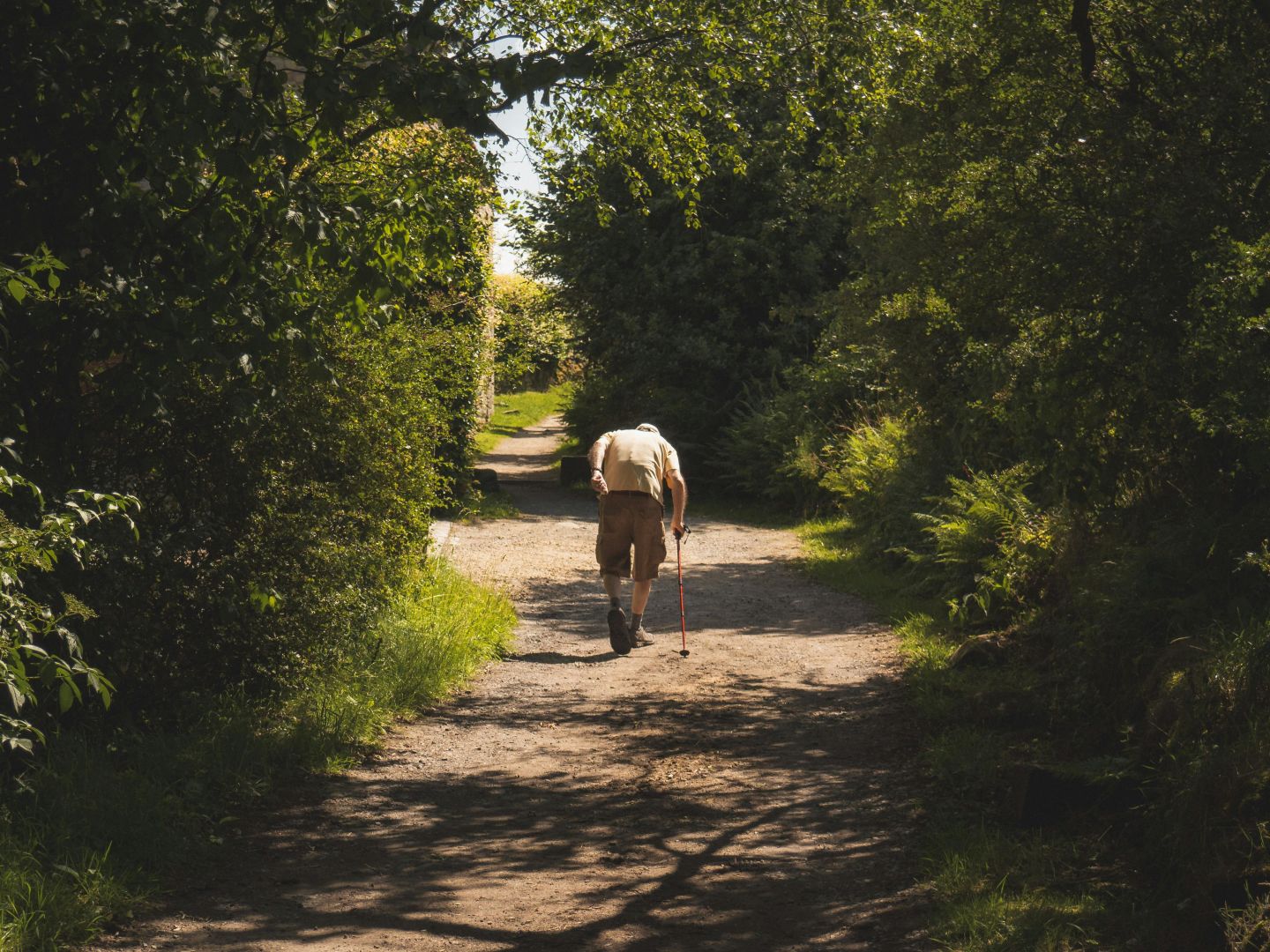
What is it really like to grow older outside Australia’s major cities?
That question sits at the heart of National Seniors Australia’s new research report, Ageing in Our Communities, which captures the experiences of older Australians in regional, rural, and remote (RRR) areas across the country.
The report is based on eight community consultations held earlier this year, bringing together 149 older people from every state and territory except the ACT. Participants shared candid insights about both the rewards and challenges of ageing in their local communities.
National Seniors Australia (NSA) Director of Policy and Research, Dr Brendon Radford, said the project was designed to amplify the voices of older Australians living beyond metropolitan centres.
“A large proportion of our members live in regional, rural, and remote Australia,” Dr Radford said.
“While these communities often offer an exceptional lifestyle, they can also face unique challenges and structural disadvantages. We wanted to hear directly from people about what is working well and where improvements are needed.”
The consultations were funded by the Department of Health, Disability, and Ageing as part of a broader commitment to ensuring the perspectives of diverse populations are heard in policy development.
The project was led by social gerontologist, Dr Victoria Cornell, because of her expertise in ageing and regional communities. She facilitated the discussions and was the primary author of the final report.
Bringing conversations to the community
NSA regularly surveys older Australians living in RRR areas, most recently through a report published late last year. However, surveys can tell only part of the story.
Meeting face-to-face and online, participants were able to share personal experiences, discuss common concerns and explore solutions together.
Six consultations were held alongside NSA branch forums in Albury, Alice Springs, Armidale, Bendigo, Childers/Wide Bay, and Ulverstone. Two additional online consultations ensured older people in South Australia and Western Australia could also contribute.
The locations were deliberately chosen to reflect the diversity of regional Australia, from major regional centres to remote communities.

Six key issues emerged
Despite differences in geography and community size, many participants raised remarkably similar concerns.
The six major issues identified were:
Access to health care and aged care
Transport
Housing
Cost of living and financial pressures
Service access and coordination
Safety and security.
Many of these challenges are interconnected. For example, accessing health care often depends on reliable transport, affordable accommodation, and sufficient local services.
Health care access was one of the most frequently discussed concerns. Participants reported difficulties finding bulk-billing GPs, accessing specialists, and arranging medical procedures locally. Workforce shortages, fly-in fly-out services, and long travel distances for treatment were common themes.
For some, even accessing telehealth came with unexpected costs. Others noted that limited competition in smaller communities can drive up prices for essential services, including dentistry and allied health care.
Workforce shortages extended well beyond health care. Participants spoke about difficulties accessing in-home aged care services, finding tradespeople, and securing places in residential aged care facilities.
Some people may need to move significant distances away from family, friends and familiar communities when higher levels of care are required.
Housing was another major concern. Many older people reported a shortage of affordable, accessible, and age-friendly housing options. The lack of suitable homes can make it difficult for older residents to downsize while remaining in their communities.
Transport challenges were also widespread. Limited public transport, scarce taxi services, and inadequate pedestrian infrastructure can leave older people feeling isolated when they can no longer drive, particularly in smaller and more remote areas.
Beyond these local challenges, participants also highlighted issues familiar to older Australians everywhere, including navigating complex government systems and managing rising living costs.
Why people choose to stay
While participants were clear about the difficulties they face, they were equally passionate about the benefits of regional, rural and remote living.
Many spoke warmly about:
Strong community connections
Access to nature and open spaces
Active and welcoming seniors’ groups
Valuable local services
Pride in their communities and optimism for the future.
In Ulverstone, for example, participants highlighted a vibrant network of social opportunities, including Probus clubs, walking groups, choirs, Men’s Sheds, and community events.
Others pointed to the natural beauty of their local areas as a major reason for staying. As one participant from Albury observed, it is “a nice area, with good access to environmental attractions.”
Informing future action
The report paints a picture of communities that are resilient, connected and deeply valued by the people who call them home. At the same time, it highlights the practical barriers that can make ageing more difficult outside metropolitan Australia.
By bringing these experiences together, Ageing in Our Communities provides valuable evidence to help inform future policy and service delivery.
Most importantly, it ensures the voices of older Australians living in regional, rural and remote areas continue to be heard.






Thousands of Australia-wide discounts
Exclusive offers and savings across dining, shopping, gift cards, and more – all in the EAT | PLAY | SAVE app.

Members save 10% on Travel Insurance*
National Seniors members receive a 10% discount on travel insurance policies*.

Financial Information Consultant
Speak to a real person and receive up-to-date information on retirement planning, superannuation, and more!

Branches
Expand your social circle, enjoy social events, day trips, guest speakers, and meet like-minded members.

Exclusive Travel Discounts
Save on tours, cruises, and holidays with exclusive discounts on National Seniors Travel.

Our Generation Digital Magazine
Receive a yearly subscription to Our Generation Digital Magazine.

The Good Guys Commercial
Members enjoy exclusive access to The Good Guys Corporate Benefits. Save on small and large appliances as well as technology.

Advocacy & Research
Your membership directly funds our advocacy and research work fighting issues that affect you.

Competitions
Access exclusive member-only weekly competitions including books, DVDs, CDs, movie tickets and more.

Discounts
In addition to the discounts app, members can save thousands on eGift Cards and other discounted products.
*The discount applies to the total National Seniors travel insurance premium and is for National Seniors Australia members only. Discounts do not apply to the rate of GST and stamp duty or any changes you make to the policy. AGA has the discretion to withdraw or amend this discount offer at any time. This discount cannot be used in conjunction with any other promotional offer or discount.
National Seniors Australia Ltd ABN 89 050 523 003, AR 282736, is an authorised representative of AWP Australia Pty Ltd, ABN 52 097 227 177, AFSL 245631, trading as Allianz Global Assistance (AGA), and acts as AGA's agent and not as your agent. nib Travel Services (Australia) Pty Ltd (nib), ABN 81 115 932 173, AFSL 308461 acts as third party administrator on behalf of AGA, managing claims, complaints, enquiries and sales. This is general advice only. Before you buy, you should consider whether the product is appropriate for you, the Product Disclosure Statement (PDS), Financial Services Guide (FSG) and Target Market Determination (TMD) is available from us. This insurance is underwritten by Pacific International Insurance Pty Ltd, ABN 83 169 311 193, AFSL 523921.