New year, same old scams
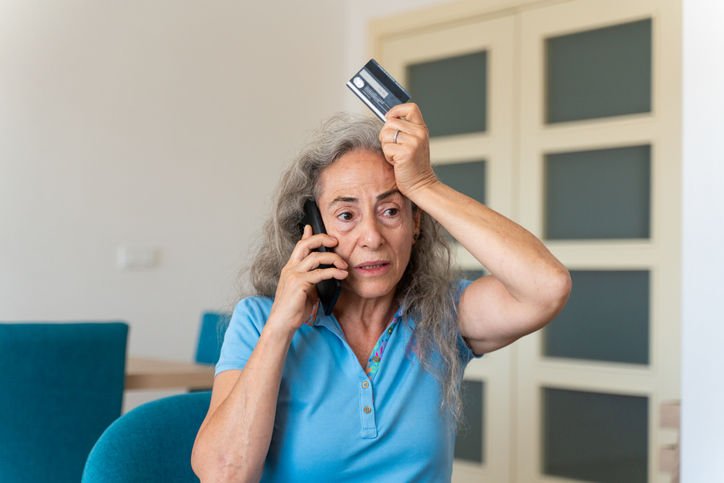
Criminals continue to target seniors in many ways. Make sure you know how to spot a financial scam and what to do if you fall victim.
We’ve got your back
National Seniors Australia (NSA) and its partners are on the frontline of the battle against scammers.
The NSA website offers a range of tips and tools to help you identify and neutralise scams.
For more information, visit our Scams Awareness page.
A lot of us are looking forward to this year and all it has to offer. But it’s important to remember that some things never change – including the fact that some unscrupulous people want to separate you from your money.
Financial scams are on the rise – and older Australians are often the prime targets.
Scammers know that many retirees have savings and may be less familiar with the latest technology, making it easier to exploit trust and goodwill.
These criminals use clever tactics to create a sense of urgency or emotional pressure, hoping you’ll act before thinking things through.
One common scam involves someone pretending to be a family member in distress, claiming to need money urgently for an emergency.
Others impersonate government agencies such as Medicare or Services Australia, asking for your personal details or payments.

Investment scams promise high returns with little or no risk, while romance scams prey on loneliness, building emotional connections before requesting money.
Tech support scams are also widespread, with fraudsters claiming your computer has a virus and asking for remote access.
In all these cases, the best defence is to pause and think. If you receive an unexpected call, message, or email asking for money or personal information, stop immediately.
Scammers rely on panic and secrecy, so take time to check. Contact the person or organisation directly using official details, not those provided in the message. Ask a trusted friend or family member for advice – because if something feels wrong, it probably is.
Protecting yourself also means being proactive. Keep your devices secure with updated software, use strong passwords, and never share banking details over the phone or online unless you are certain of who you’re dealing with.
If you suspect you’ve been scammed, act quickly: contact your bank to freeze accounts, change passwords, and report the incident to Scamwatch at scamwatch.gov.au.
Emotional support is available through services such as Lifeline or Beyond Blue, because the impact of scams is not just financial, it can be deeply personal.
Remember, scammers are skilled at sounding convincing, but you have the power to protect yourself.
Trust your instincts, stay informed, and never be afraid to say no. By taking a moment to Stop. Check. Reject, you can keep your money safe.

Disclaimer: This article and any links provided are for general information only and should not be taken as constituting professional advice. National Seniors Australia is not a financial advisor. You should consider seeking independent legal, financial, taxation, or other advice to check how any information provided relates to your unique circumstances.




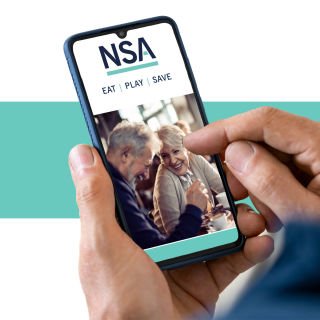
Thousands of Australia-wide discounts
Exclusive offers and savings across dining, shopping, gift cards, and more – all in the EAT | PLAY | SAVE app.

Members save 10% on Travel Insurance*
National Seniors members receive a 10% discount on travel insurance policies*.

Financial Information Consultant
Speak to a real person and receive up-to-date information on retirement planning, superannuation, and more!

Branches
Expand your social circle, enjoy social events, day trips, guest speakers, and meet like-minded members.

Exclusive Travel Discounts
Save on tours, cruises, and holidays with exclusive discounts on National Seniors Travel.

Our Generation Digital Magazine
Receive a yearly subscription to Our Generation Digital Magazine.

The Good Guys Commercial
Members enjoy exclusive access to The Good Guys Corporate Benefits. Save on small and large appliances as well as technology.
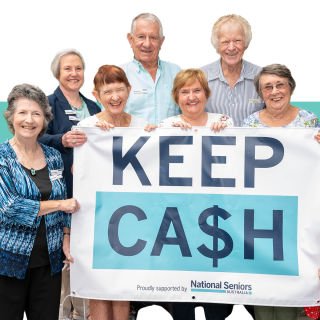
Advocacy & Research
Your membership directly funds our advocacy and research work fighting issues that affect you.

Competitions
Access exclusive member-only weekly competitions including books, DVDs, CDs, movie tickets and more.

Discounts
In addition to the discounts app, members can save thousands on eGift Cards and other discounted products.
*The discount applies to the total National Seniors travel insurance premium and is for National Seniors Australia members only. Discounts do not apply to the rate of GST and stamp duty or any changes you make to the policy. AGA has the discretion to withdraw or amend this discount offer at any time. This discount cannot be used in conjunction with any other promotional offer or discount.
National Seniors Australia Ltd ABN 89 050 523 003, AR 282736, is an authorised representative of AWP Australia Pty Ltd, ABN 52 097 227 177, AFSL 245631, trading as Allianz Global Assistance (AGA), and acts as AGA's agent and not as your agent. nib Travel Services (Australia) Pty Ltd (nib), ABN 81 115 932 173, AFSL 308461 acts as third party administrator on behalf of AGA, managing claims, complaints, enquiries and sales. This is general advice only. Before you buy, you should consider whether the product is appropriate for you, the Product Disclosure Statement (PDS), Financial Services Guide (FSG) and Target Market Determination (TMD) is available from us. This insurance is underwritten by Pacific International Insurance Pty Ltd, ABN 83 169 311 193, AFSL 523921.