Pros and cons of 'pay later' schemes
The promise of buying something now and paying it off in interest-free instalments isn’t everything it seems to be.

The idea of taking home a purchase today and dealing with the cost tomorrow has long appealed to shoppers.
Many older Australians will remember the familiar routines of hire purchase and lay-by: one allowed you to use the item while paying it off, while the other required the store to hold it until the final instalment was made.
Those systems have disappeared, replaced first by credit cards and now by the rapidly expanding world of “buy now, pay later” (BNPL) services.
These BNPL options seem to be everywhere. Retailers promote them at the checkout, banks have created their own versions, and finance companies market them as an effortless way to stretch your budget.
The big drawcard is the promise that you will pay no interest at all – provided every instalment is paid on time. However, if you miss even one payment, the fees and penalties can make your purchase far more expensive than you expected.
That’s why it’s worth looking closely at the potential traps before relying on this kind of credit.

Used carefully, BNPL can genuinely help people manage their cash flow. It offers convenience when you need something urgently but can’t immediately cover the full cost, and the interest‑free period can make it a cheaper option than using a credit card.
For some people, spacing out the payments can make a significant purchase feel more manageable, particularly when faced with an unexpected expense such as replacing a fridge or repairing an essential appliance.
But the ease of these services is also what can make them risky. Because the financial impact is delayed, it’s tempting to overspend. Small instalments can quickly add up, leaving people juggling several BNPL debts at once.
Missed payments often incur hefty late fees, and depending on the service, this can also affect your credit score.
BNPL providers may not offer the same level of consumer protection as credit cards either, including dispute processes if something goes wrong with your purchase.
BNPL can be helpful when used responsibly for essential items and when you’re confident you can meet every instalment. But it’s wise to avoid it for impulse buying or when your income is uncertain.
Ultimately, the key is to approach BNPL with the same care you’d apply to any other form of credit.
The key is to read the terms, understand the fees, and be honest with yourself about your budget.

Disclaimer: This article and any links provided are for general information only and should not be taken as constituting professional advice. National Seniors Australia is not a financial advisor. You should consider seeking independent legal, financial, taxation, or other advice to check how any information provided relates to your unique circumstances.





Thousands of Australia-wide discounts
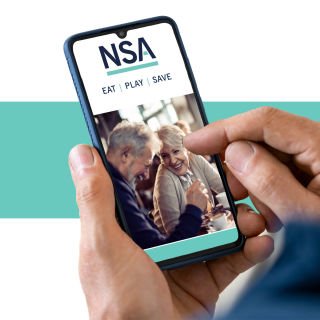
Exclusive offers and savings across dining, shopping, gift cards, and more – all in the EAT | PLAY | SAVE app.

Members save 10% on Travel Insurance*
National Seniors members receive a 10% discount on travel insurance policies*.

Financial Information Consultant
Speak to a real person and receive up-to-date information on retirement planning, superannuation, and more!

Branches
Expand your social circle, enjoy social events, day trips, guest speakers, and meet like-minded members.

Exclusive Travel Discounts
Save on tours, cruises, and holidays with exclusive discounts on National Seniors Travel.

Our Generation Digital Magazine
Receive a yearly subscription to Our Generation Digital Magazine.

The Good Guys Commercial
Members enjoy exclusive access to The Good Guys Corporate Benefits. Save on small and large appliances as well as technology.

Advocacy & Research
Your membership directly funds our advocacy and research work fighting issues that affect you.

Competitions
Access exclusive member-only weekly competitions including books, DVDs, CDs, movie tickets and more.

Discounts
In addition to the discounts app, members can save thousands on eGift Cards and other discounted products.
*The discount applies to the total National Seniors travel insurance premium and is for National Seniors Australia members only. Discounts do not apply to the rate of GST and stamp duty or any changes you make to the policy. AGA has the discretion to withdraw or amend this discount offer at any time. This discount cannot be used in conjunction with any other promotional offer or discount.
National Seniors Australia Ltd ABN 89 050 523 003, AR 282736, is an authorised representative of AWP Australia Pty Ltd, ABN 52 097 227 177, AFSL 245631, trading as Allianz Global Assistance (AGA), and acts as AGA's agent and not as your agent. nib Travel Services (Australia) Pty Ltd (nib), ABN 81 115 932 173, AFSL 308461 acts as third party administrator on behalf of AGA, managing claims, complaints, enquiries and sales. This is general advice only. Before you buy, you should consider whether the product is appropriate for you, the Product Disclosure Statement (PDS), Financial Services Guide (FSG) and Target Market Determination (TMD) is available from us. This insurance is underwritten by Pacific International Insurance Pty Ltd, ABN 83 169 311 193, AFSL 523921.
Governments and many businesses offer discounts for seniors on utilities, transport, entertainment, and groceries. Check out NSA’s Concessions Calculator and EAT | PLAY |SAVE Discounts App.
The Australian Government provides free resources through MoneySmart and community organisations. NSA members also have access to a Financial Information Consultant. These services can help you plan without extra cost.