Be vigilant about bushfires
Keeping on top of maintenance and having an emergency plan can save your life.
Keep an emergency kit
With cyclone and bushfire season approaching, every household should have an emergency kit ready to go in case you need to evacuate quickly or stay safely at home during an emergency.
Key items include:
- Drinking water (at least three days' supply)
- Non-perishable food and a manual can opener
- Battery-powered or wind-up radio
- Torch and spare batteries
- Mobile phone charger/ power bank
- First aid kit and essential medications
- Important documents in a waterproof container
- Cash, as electronic payment systems may be unavailable
- Sturdy clothing, footwear, and blankets
- Toiletries and personal hygiene items
- Pet food, water, and supplies if you have animals
- Face masks and protective eyewear for bushfire smoke and dust.
It's also a good idea to keep emergency contact numbers and local emergency warnings bookmarked on your phone so you can access up-to-date information quickly.
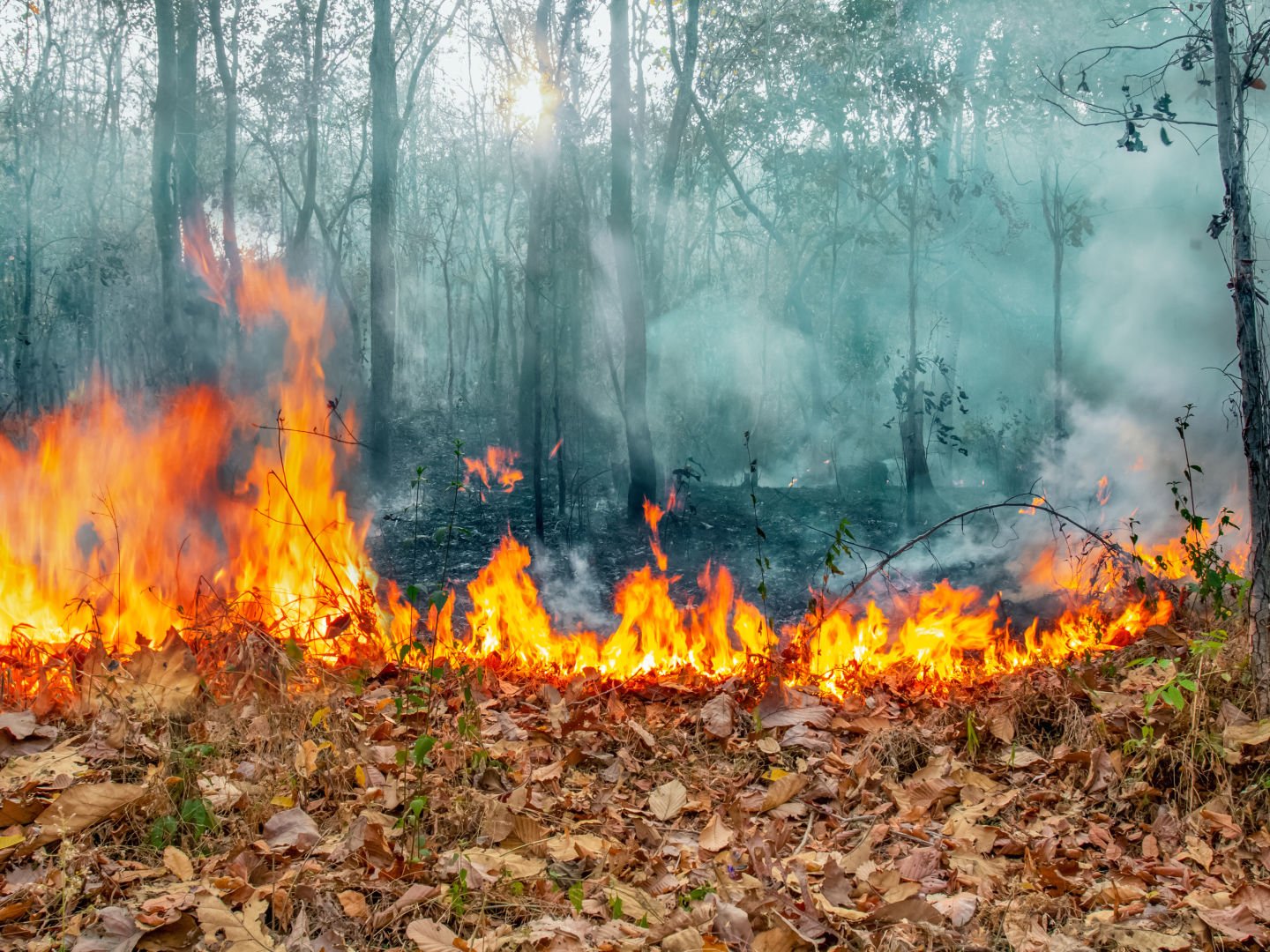
Experts are warning of an increased bushfire threat over the next two summers, with some predicting conditions that could resemble those seen during the devastating Black Summer fires of 2019-20.
Former Fire and Rescue NSW Commissioner, Greg Mullins, recently warned that while the 2026-27 summer could bring significant fire danger, the following season may be even more concerning.
“We could have a bad summer, but... the summer of 2027-28, that could be a very bad fire season,” he told 7News, warning of the potential for “very serious fires, not unlike Black Summer”.
The concern is linked to the return of El Niño conditions, which are typically associated with hotter, drier weather across many parts of Australia.
Dry conditions can reduce soil moisture, increase the amount of flammable vegetation, and create an environment in which fires can spread rapidly.
According to fire authorities, some areas burned during the Black Summer fires have now regenerated sufficiently to once again support significant bushfires.
The latest national outlook from the National Emergency Management Agency highlights an elevated fire risk in parts of southern, central and eastern New South Wales, most of Victoria and areas of south-east South Australia.

In Western Australia, higher fire potential has been identified in the southern Jarrah Forest, Warren, and parts of the Esperance Plains-Mallee regions.
The Australian and New Zealand Council for Fire and Emergency Services (AFAC) recently warned that the spring 2026 bushfire season is already shaping up to be more active than usual in several parts of the country.
Areas identified as having an increased risk include northern and south-eastern NSW, south-east Queensland, north-eastern Tasmania, parts of Victoria, South Australia and Western Australia, as well as large areas of the Northern Territory.
Experts say the heightened risk is being driven by a combination of dry conditions in the east and abundant fuel loads in other regions.
Authorities stress that outlooks are not predictions of where fires will occur. Rather, they identify areas where conditions may be more favourable for significant bushfires.
Fires can and do occur in regions assessed as having average risk, which is why preparedness is so important.
The NSW Rural Fire Service and other emergency agencies are urging residents to begin preparations well before summer arrives.
This includes clearing leaves from gutters, trimming overhanging branches, removing flammable material from around homes, and ensuring emergency plans are up to date.
Families are encouraged to discuss in advance what they will do if a fire threatens their area, including where they will go and how they will stay informed.
For older Australians, preparing early can make a significant difference. Consider your health needs, medications, mobility requirements, and transport options.
If you may need assistance during an emergency, talk with family members, neighbours, or local support services now rather than waiting until a fire happens.





Thousands of Australia-wide discounts
Exclusive offers and savings across dining, shopping, gift cards, and more – all in the EAT | PLAY | SAVE app.

Members save 10% on Travel Insurance*
National Seniors members receive a 10% discount on travel insurance policies*.

Financial Information Consultant
Speak to a real person and receive up-to-date information on retirement planning, superannuation, and more!

Branches
Expand your social circle, enjoy social events, day trips, guest speakers, and meet like-minded members.

Exclusive Travel Discounts
Save on tours, cruises, and holidays with exclusive discounts on National Seniors Travel.

Our Generation Digital Magazine
Receive a yearly subscription to Our Generation Digital Magazine.

The Good Guys Commercial
Members enjoy exclusive access to The Good Guys Corporate Benefits. Save on small and large appliances as well as technology.
Advocacy & Research
Your membership directly funds our advocacy and research work fighting issues that affect you.

Competitions
Access exclusive member-only weekly competitions including books, DVDs, CDs, movie tickets and more.

Discounts
In addition to the discounts app, members can save thousands on eGift Cards and other discounted products.
*The discount applies to the total National Seniors travel insurance premium and is for National Seniors Australia members only. Discounts do not apply to the rate of GST and stamp duty or any changes you make to the policy. AGA has the discretion to withdraw or amend this discount offer at any time. This discount cannot be used in conjunction with any other promotional offer or discount.
National Seniors Australia Ltd ABN 89 050 523 003, AR 282736, is an authorised representative of AWP Australia Pty Ltd, ABN 52 097 227 177, AFSL 245631, trading as Allianz Global Assistance (AGA), and acts as AGA's agent and not as your agent. nib Travel Services (Australia) Pty Ltd (nib), ABN 81 115 932 173, AFSL 308461 acts as third party administrator on behalf of AGA, managing claims, complaints, enquiries and sales. This is general advice only. Before you buy, you should consider whether the product is appropriate for you, the Product Disclosure Statement (PDS), Financial Services Guide (FSG) and Target Market Determination (TMD) is available from us. This insurance is underwritten by Pacific International Insurance Pty Ltd, ABN 83 169 311 193, AFSL 523921.