Should the government sell groceries?
The Greens suggest publicly owned supermarkets. Will that help ease the cost-of-living burden on older Australians?
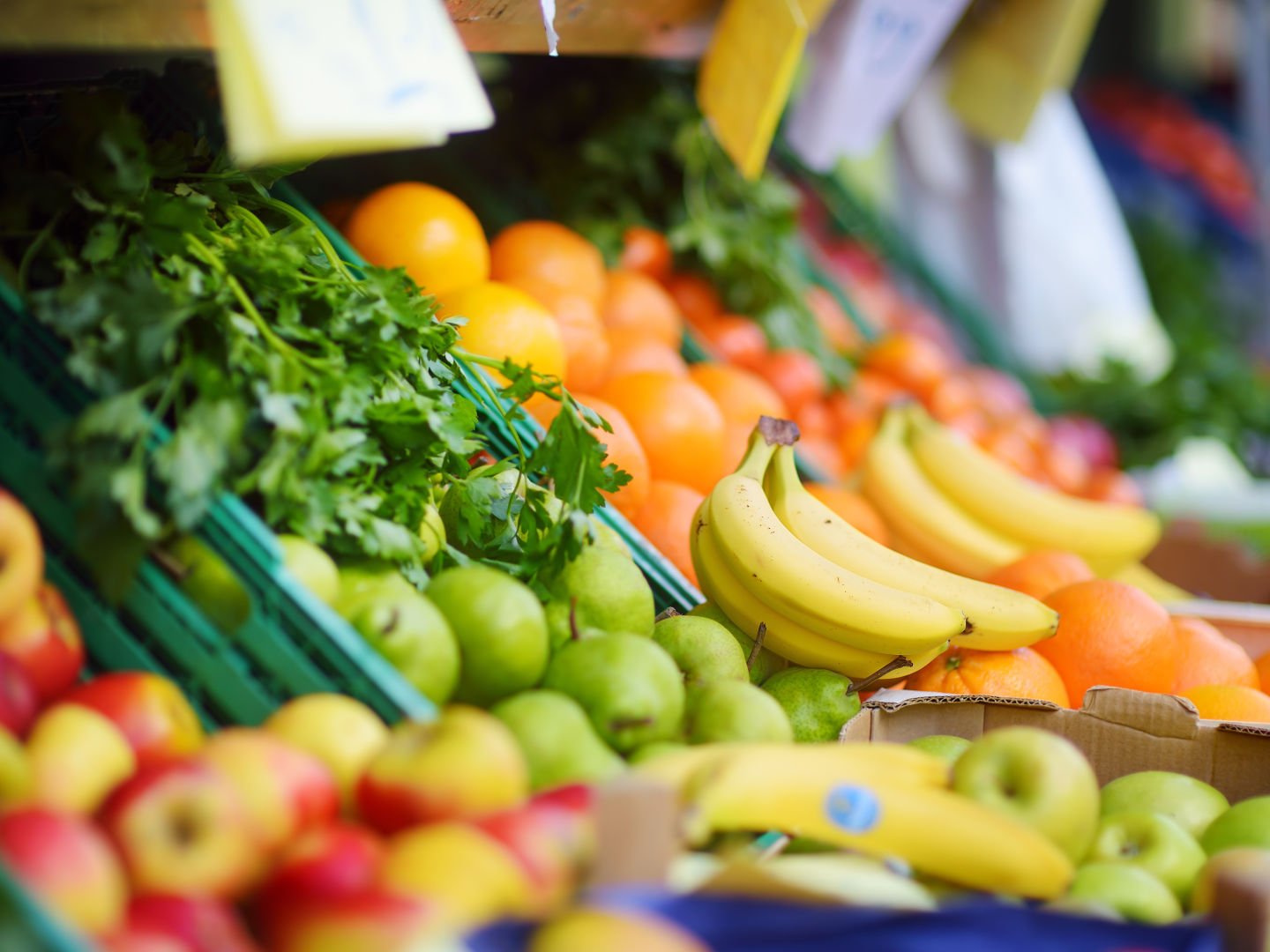
The weekly supermarket shop has become a major source of financial pressure, particularly for pensioners and other people living on fixed incomes.
A recent suggestion from a think-tank associated with the Australian Greens has added a novel idea to the competition debate: a national chain of government-owned supermarkets.
The proposal comes from the Green Institute, the Greens’ research organisation. Its plan would establish a publicly owned chain called “Fair Go Grocers” to compete with Coles, Woolworths, and other retailers.
Under the plan, the Federal Government would spend $25.1 billion over five years to acquire 200 Coles and Woolworths stores and three distribution centres, then build another 424 supermarkets and 10 distribution centres. The proposed chain would aim to capture 20% of the supermarket market.
The Green Institute claims Fair Go Grocers could sell essentials including fruit, vegetables, bread, milk, and meat for 30% less than Coles and Woolworths, while providing smaller discounts on other products.
It estimates an average saving of 22% per shop, or $3,134 a year for a four-person household. These are the institute’s projections, rather than independently established savings.
Supporters argue a government-owned retailer would not need to generate dividends for shareholders and could use its presence in the market to put downward pressure on competitors’ prices.
Store revenue would meet operating expenses such as wages and stock, with the institute predicting that the chain would become cost-neutral after five years.
However, the concept raises major questions. The proposed government investment would be substantial, and Australia would still need to consider how a public chain would acquire suitable sites, establish supply and distribution networks, set prices, and operate efficiently without unfairly disadvantaging existing independent grocers.
Writing in The Guardian, former competition regulator, Professor Allan Fels, argues that public supermarkets deserve consideration as one possible response to weak competition.
However, the broader debate suggests public ownership should be assessed alongside other measures rather than treated as a guaranteed cure for high prices.
The need for action is clear. The Australian Competition and Consumer Commission (ACCC) found that Coles and Woolworths dominate Australian grocery retail and that this situation is likely to continue.

Its 2025 supermarket inquiry also found the sector was not working well for consumers and suppliers, although it did not conclude that Coles and Woolworths constituted a strict duopoly or accuse them of price gouging.
Rather than recommending one dramatic intervention, the ACCC proposed 20 reforms. These included requiring major supermarkets to publish prices online and providing accessible pricing data to independent comparison services.
It also recommended simplifying planning and zoning laws that can prevent new or smaller retailers from opening stores, clearer information about promotional discounts, and support for community-owned shops in places with limited choice, particularly remote communities.
Another option is a supermarket-specific divestiture power. A 2024 Senate committee recommended allowing courts to order divestiture where a supermarket had misused market power or engaged in unconscionable conduct.
The committee also supported stronger action against excessive pricing and unfair trading practices. Professor Fels has previously argued that the threat of breaking up dominant businesses could act as a strong deterrent to harmful conduct.
For older shoppers, better information is also part of the solution. A National Seniors Australia (NSA) survey of almost 6,000 older people found grocery costs were among their greatest cost-of-living concerns, particularly for pensioners and renters.
One member said they shopped only once every three weeks, purchased “seconds” fruit and vegetables, and excluded non-essential items to save money.
Unit pricing, such as the cost per 100 grams or per litre, helps shoppers compare different brands and pack sizes, but small print and inconsistent measurements can make those comparisons difficult, particularly for people with impaired vision.
NSA and the Queensland Consumers Association have called for supermarket unit prices to be larger, clearer and more consistent, and for stronger ACCC monitoring and enforcement.
There may be no single answer to supermarket affordability. Public supermarkets are a bold proposal worthy of serious examination, but meaningful improvement could require several reforms working together: easier price comparison, stronger unit-pricing rules, fairer treatment of suppliers, fewer planning barriers, support for independent and community-owned stores, and credible penalties for anti-competitive conduct.
For older Australians watching every dollar at the checkout, the test should be practical: will a reform produce genuinely lower prices, clearer choices and reliable access to affordable, nutritious food?
Related reading: ABC, The Guardian, Green Institute, C-Store





Thousands of Australia-wide discounts
Exclusive offers and savings across dining, shopping, gift cards, and more – all in the EAT | PLAY | SAVE app.

Members save 10% on Travel Insurance*
National Seniors members receive a 10% discount on travel insurance policies*.

Financial Information Consultant
Speak to a real person and receive up-to-date information on retirement planning, superannuation, and more!

Branches
Expand your social circle, enjoy social events, day trips, guest speakers, and meet like-minded members.

Exclusive Travel Discounts
Save on tours, cruises, and holidays with exclusive discounts on National Seniors Travel.

Our Generation Digital Magazine
Receive a yearly subscription to Our Generation Digital Magazine.

The Good Guys Commercial
Members enjoy exclusive access to The Good Guys Corporate Benefits. Save on small and large appliances as well as technology.
Advocacy & Research
Your membership directly funds our advocacy and research work fighting issues that affect you.

Competitions
Access exclusive member-only weekly competitions including books, DVDs, CDs, movie tickets and more.

Discounts
In addition to the discounts app, members can save thousands on eGift Cards and other discounted products.
*The discount applies to the total National Seniors travel insurance premium and is for National Seniors Australia members only. Discounts do not apply to the rate of GST and stamp duty or any changes you make to the policy. AGA has the discretion to withdraw or amend this discount offer at any time. This discount cannot be used in conjunction with any other promotional offer or discount.
National Seniors Australia Ltd ABN 89 050 523 003, AR 282736, is an authorised representative of AWP Australia Pty Ltd, ABN 52 097 227 177, AFSL 245631, trading as Allianz Global Assistance (AGA), and acts as AGA's agent and not as your agent. nib Travel Services (Australia) Pty Ltd (nib), ABN 81 115 932 173, AFSL 308461 acts as third party administrator on behalf of AGA, managing claims, complaints, enquiries and sales. This is general advice only. Before you buy, you should consider whether the product is appropriate for you, the Product Disclosure Statement (PDS), Financial Services Guide (FSG) and Target Market Determination (TMD) is available from us. This insurance is underwritten by Pacific International Insurance Pty Ltd, ABN 83 169 311 193, AFSL 523921.