You may be a food addict
Modern processed foods are designed to make us want more – and that’s not healthy.
When we think about diet and obesity, we sometimes encounter the phrase “food addiction”.
It’s a real thing – and science tells us that many ultra-processed foods are designed to make us crave more.
There is growing evidence that some ultra-processed foods can trigger behaviours similar to addiction.
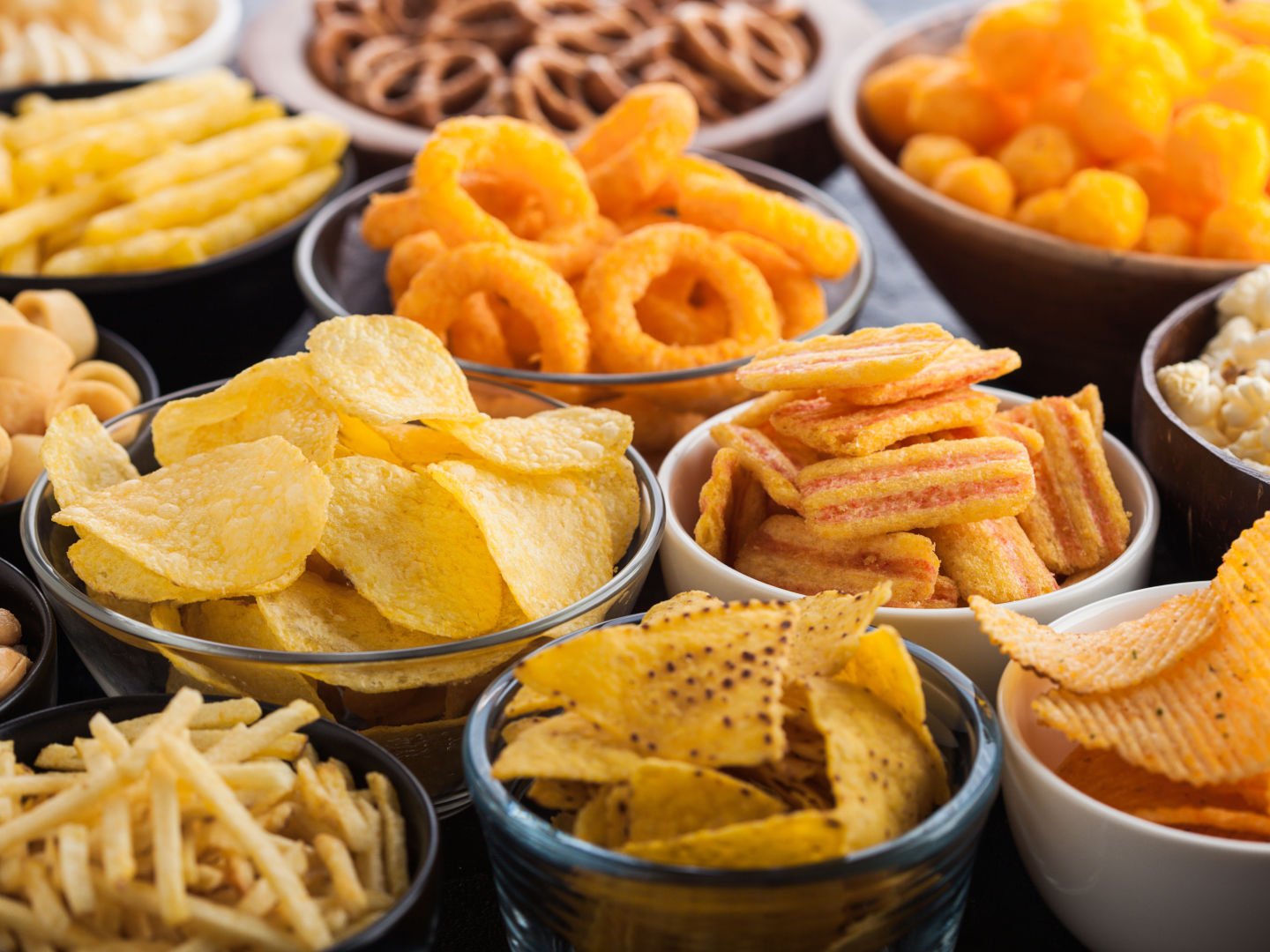
Products including chips, sugary drinks, packaged snacks, and ready-made meals are engineered with combinations of refined carbohydrates, fats, salt, and additives that rarely occur in natural foods.
This “perfect mix” can create what researchers describe as an intense, rewarding sensory experience that encourages repeated consumption.
Scientists increasingly recognise that these foods can activate the brain’s reward system in ways comparable to substances such as nicotine or alcohol.
Studies suggest they can drive cravings, loss of control, and continued use despite negative health impacts. These are all behaviours associated with addiction.
Researchers using the Yale Food Addiction Scale estimate that many people show signs of clinical addiction to ultra-processed foods.
Part of the explanation lies in how these foods are formulated. Food manufacturers carefully calibrate ingredients to reach a “bliss point” – the optimal balance of sugar, salt, and fat that maximises pleasure.
This combination can stimulate dopamine, a brain chemical linked to reward and motivation, reinforcing the desire to eat more.

While scientists continue to debate the precise biological mechanisms, there is broad agreement that ultra-processed foods are designed to be highly appealing and easy to overconsume.
Health authorities warn that this has serious implications. According to the Australian Government’s Healthdirect website, ultra-processed or “junk” foods are typically high in sugar, salt and unhealthy fats but low in essential nutrients such as fibre, vitamins, and minerals.
Diets high in these foods are linked to obesity, type 2 diabetes, cardiovascular disease, and some cancers. The site also notes that eating large amounts of ultra-processed foods can increase the risk of chronic health problems and early death.
Globally, consumption of ultra-processed foods has risen sharply, now making up a large share of daily calorie intake in countries including Australia and the United States.
Their convenience, accessibility, and aggressive marketing contribute to this trend, creating an environment where highly rewarding, low-nutrient foods are ubiquitous.
While not all experts agree that food addiction should be classified in the same way as substance dependence, there is growing consensus that ultra-processed foods can strongly influence eating behaviour.
Understanding how these products affect our brains is increasingly seen as key to addressing rising rates of obesity and diet-related disease.
Related reading: CNN, Dining & Cooking, The Guardian, Healthdirect, Science News

Disclaimer: This article is for information purposes only and should not be considered medical advice. Consult a healthcare professional about any health concerns or before making any changes to your medication, diet, or exercise routine.




Thousands of Australia-wide discounts
Exclusive offers and savings across dining, shopping, gift cards, and more – all in the EAT | PLAY | SAVE app.

Members save 10% on Travel Insurance*
National Seniors members receive a 10% discount on travel insurance policies*.

Financial Information Consultant
Speak to a real person and receive up-to-date information on retirement planning, superannuation, and more!

Branches
Expand your social circle, enjoy social events, day trips, guest speakers, and meet like-minded members.

Exclusive Travel Discounts
Save on tours, cruises, and holidays with exclusive discounts on National Seniors Travel.

Our Generation Digital Magazine
Receive a yearly subscription to Our Generation Digital Magazine.

The Good Guys Commercial
Members enjoy exclusive access to The Good Guys Corporate Benefits. Save on small and large appliances as well as technology.

Advocacy & Research
Your membership directly funds our advocacy and research work fighting issues that affect you.

Competitions
Access exclusive member-only weekly competitions including books, DVDs, CDs, movie tickets and more.

Discounts
In addition to the discounts app, members can save thousands on eGift Cards and other discounted products.
*The discount applies to the total National Seniors travel insurance premium and is for National Seniors Australia members only. Discounts do not apply to the rate of GST and stamp duty or any changes you make to the policy. AGA has the discretion to withdraw or amend this discount offer at any time. This discount cannot be used in conjunction with any other promotional offer or discount.
National Seniors Australia Ltd ABN 89 050 523 003, AR 282736, is an authorised representative of AWP Australia Pty Ltd, ABN 52 097 227 177, AFSL 245631, trading as Allianz Global Assistance (AGA), and acts as AGA's agent and not as your agent. nib Travel Services (Australia) Pty Ltd (nib), ABN 81 115 932 173, AFSL 308461 acts as third party administrator on behalf of AGA, managing claims, complaints, enquiries and sales. This is general advice only. Before you buy, you should consider whether the product is appropriate for you, the Product Disclosure Statement (PDS), Financial Services Guide (FSG) and Target Market Determination (TMD) is available from us. This insurance is underwritten by Pacific International Insurance Pty Ltd, ABN 83 169 311 193, AFSL 523921.