One season, many celebrations
‘Tis the season to eat, drink, and be merry. Our Generation explores how different cultures celebrate the festive season through food and tradition.
By Nadia Howland

One of the wonderful things about living in a multicultural society is learning from each other’s traditions. In this article, we’ll look at some different cultures and the special dishes they use to celebrate their holidays.
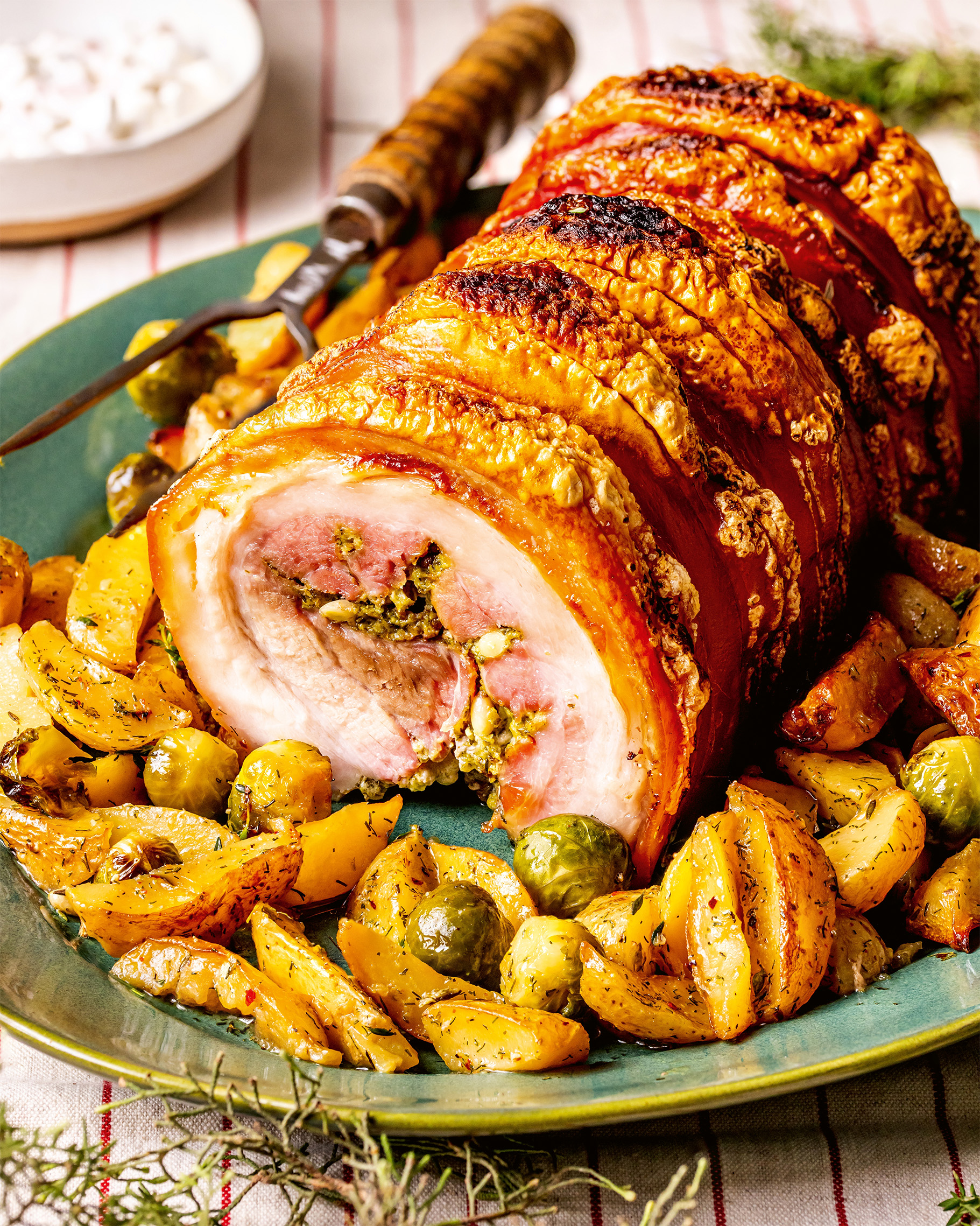
Italian porchetta
Being half Italian, I can attest there’s no better date on the calendar than Christmas if you enjoy eating—and we do!
Christmas Day usually sees the whole family assemble for a day of Olympic-style feasting, starting with ‘antipasti’ (appetisers) of olives, marinated and roasted vegetables, cheese and salami, then ‘primo’ (first course) of pasta or lasagne, followed by ‘secondi’ (second course), with an assortment of meats like roast chicken, crumbed veal, and meatballs in sauce.
‘Dolce’ or dessert usually involves a smorgasbord of Nonna’s best treats—think baked egg custard, tiramisu, cannoli, profiteroles, panettone, and gelati. After a bit of a break, someone will suggest coffee, and out will come the espresso, followed by some liqueur, and plates of assorted homemade biscuits.
It’s not the best time of year to be on a diet.
All this is followed by a week of enjoying Christmas leftovers before putting on some elasticated pants (the only thing that fits at this point) to front up for lunch on New Year’s Day. In my family, handmade macaroni is served with a rich ragu (meat sauce)—this dish supposedly brings good luck for the year ahead. And you’ll need that luck if you’re going to lose the 6kg you’ve gained.

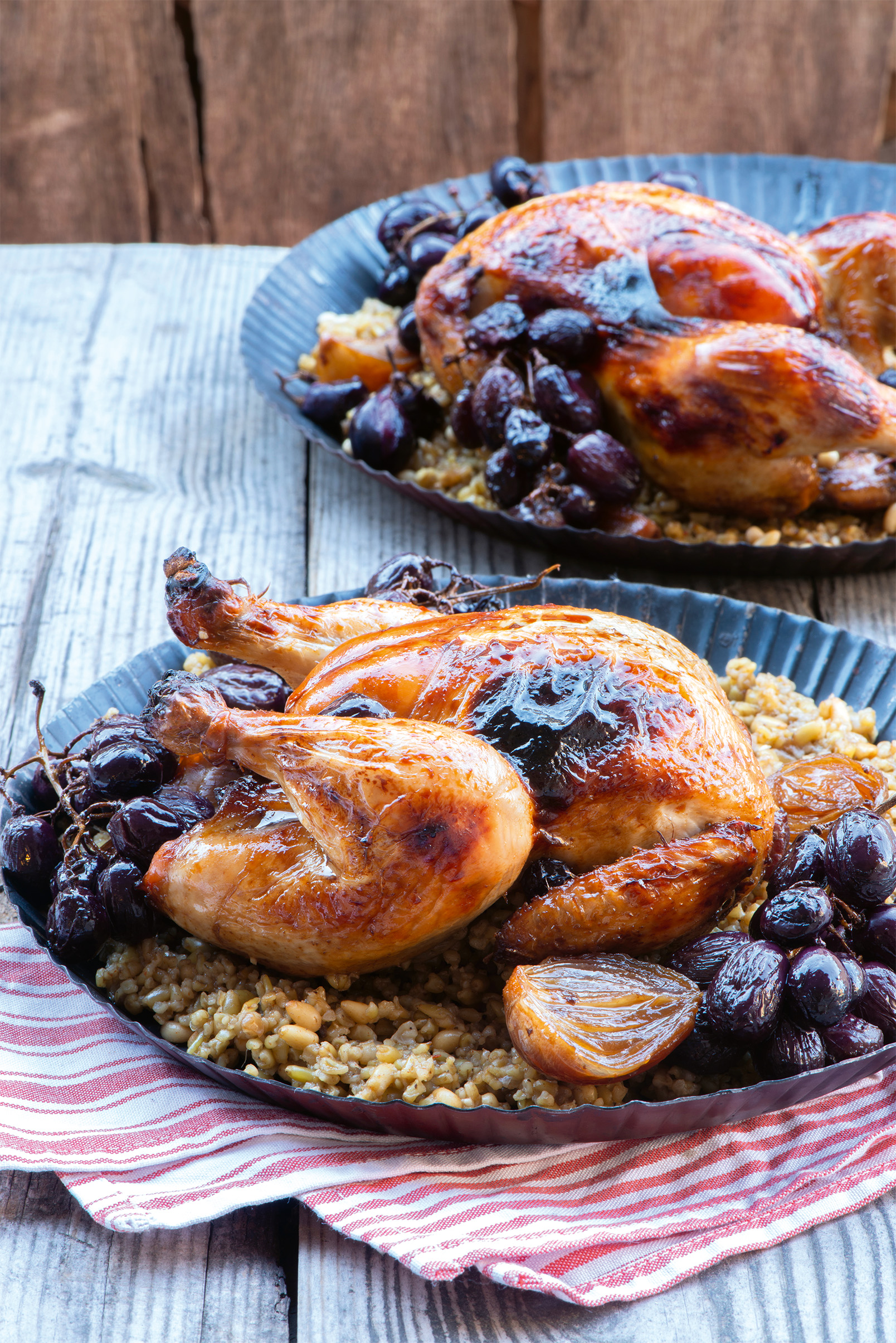
Freekeh-stuffed roast chicken
Egyptian Coptic families observe Lent for 43 days in the lead up to their Christmas celebration on 7 January.
During that period, they abstain from all animal products like meat, dairy, and eggs, following a strict vegan-like diet.
On Christmas Eve, families often attend evening mass until midnight, taking communion before heading home to a huge feast.
My friend, Gina, says her mum spends an entire week preparing their Christmas feast—a reward for their epic fast.
“We do chicken stuffed with a grain called freekeh as well as a thick, green chicken soup with loads of garlic called mulukhia. We have macarona with bechamel sauce, and kofta—meatballs with parsley and onion. Another favourite is cobaba—meatballs made from finely minced meat, barley, and fried onion.
“Afterwards, we enjoy an Egyptian version of crème caramel drenched in syrup. In my mind, that dish is my mum’s way of saying, ‘I love you’.”
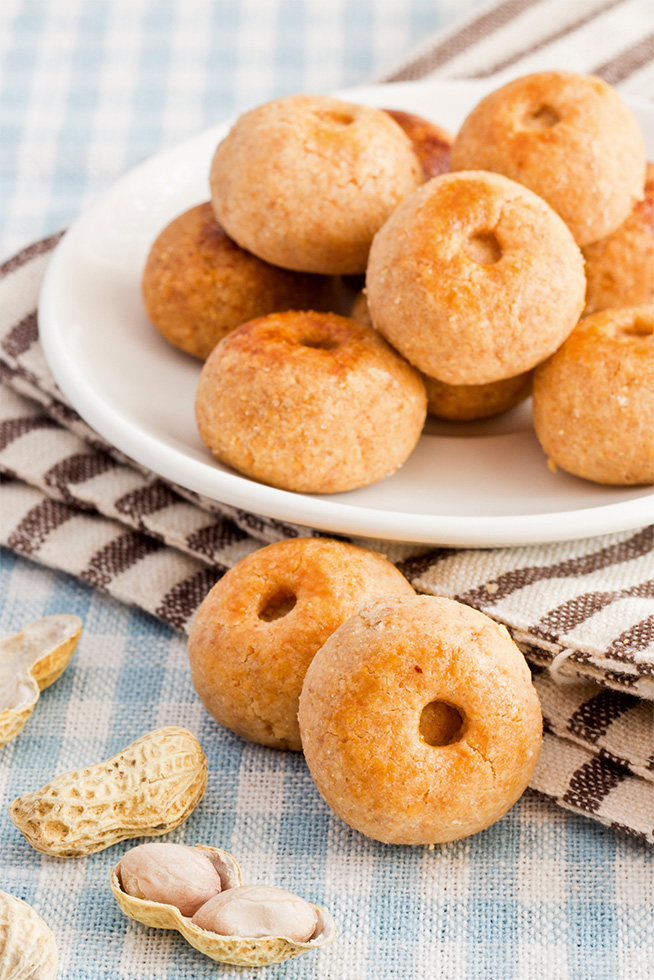
Chinese peanut cookies
The biggest event in the Chinese calendar is Chinese New Year—also called the Spring Festival. Spanning two weeks, the celebration marks the beginning of the new year on the traditional Chinese calendar.
Great significance is placed on the New Year’s Eve dinner. Dishes are created to give blessings for the new year.
Spring rolls are made as an appetiser to symbolise the coming of spring.
Dumplings are another popular food, symbolising the exchange between the old and new year. Different fillings are used to represent prosperity and abundance, and some people place a coin in a dumpling so that whoever finds it will have great luck.
Long noodles are also prepared to symbolise longevity. These noodles are not to be cut or chewed—preserving their length is seen as preserving life. Hence, there’s a lot of slurping involved!
Fish is also considered a must for the Chinese New Year meal, symbolising surplus and wealth.
Whole steamed chicken represents rebirth, while rice cakes are often eaten as a symbol of success.
Hot pots are often served as the centrepiece of the meal. This involves a bubbling pot of broth and a plate of uncooked meat and vegetables. Diners simply choose what they want to eat, cook it in the broth, and then eat it. It’s an extremely customisable dish.
Gifting and eating sweets are also a big part of the new year tradition, with popular desserts including peanut cookies, cakes, and sesame balls.
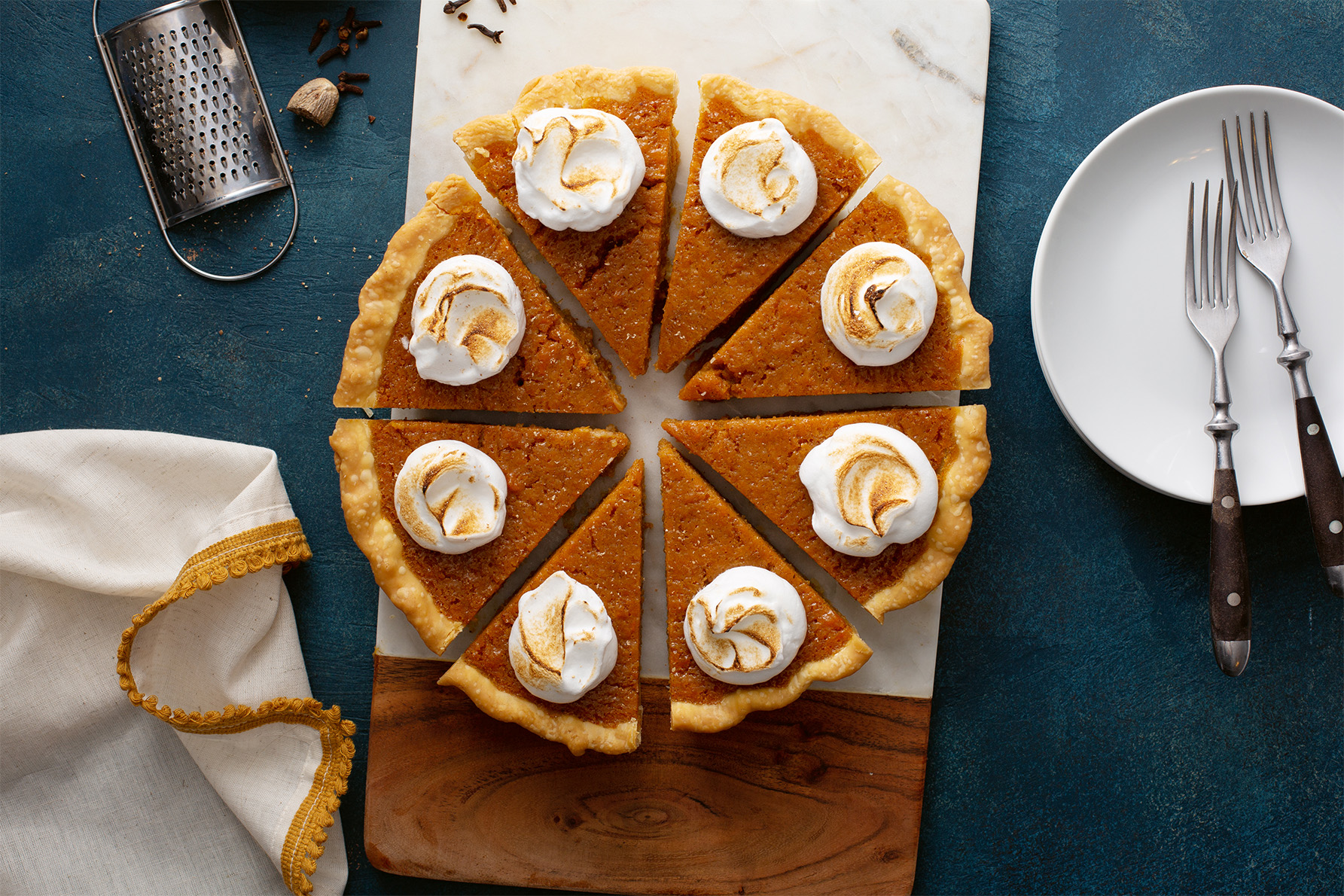
Pumpkin pie
First celebrated in 1966, Kwanzaa is a non-religious celebration of African-American culture, created by activist Maulana Karenga, based on African harvest festival traditions.
Held from 26 December to 1 January, Kwanzaa celebrations culminate in a communal feast called Karamu Ya Imani, meaning ‘feast of faith’. This is usually held on 31 December, the sixth day of Kwanzaa.
Traditionally, karamu includes a variety of African, Caribbean, and Southern American inspired dishes, such as jollof rice, Jamaican jerk chicken, seafood gumbo, Southern-style mac ‘n’ cheese, candied sweet potatoes, black-eyed peas, collard greens, cornbread, and fried catfish.
Mouth-watering desserts include peach cobbler with whipped cream, pound cake, and coconut-lime pudding.
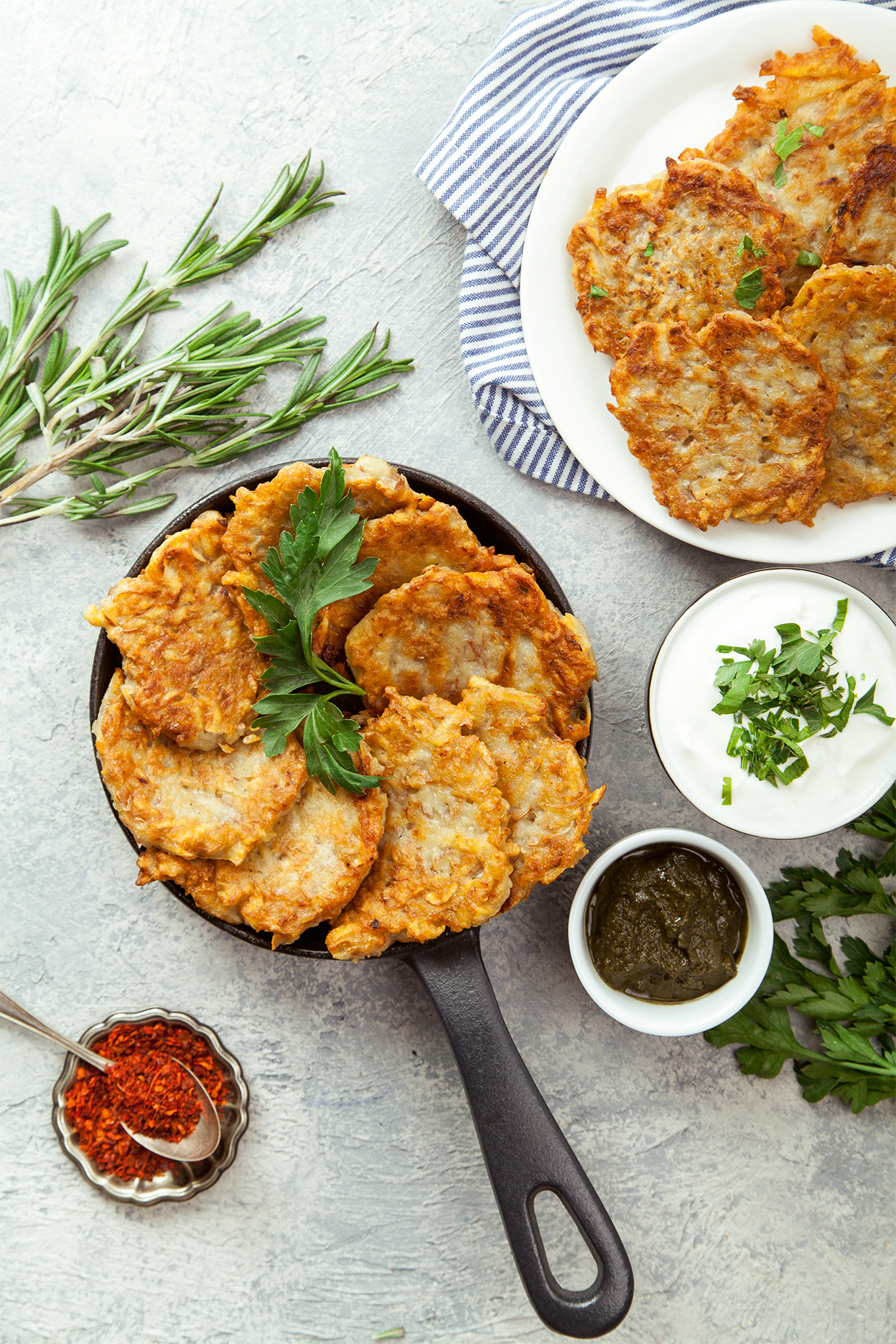
Potato latkes
Hanukkah, the Jewish festival of light, commemorates the rededication of the Second Temple in Jerusalem after the Maccabean victory over the Syrian-Greek army.
It is celebrated because of a miracle where a single vial of oil lasted for eight days.
Celebrated over eight nights from late November to mid-December, Hanukkah traditions include lighting candles on a menorah. Each night, a candle is added to the menorah and lit, during which people recite blessings and prayers, sing songs, and exchange gifts.
The celebration involves eating oily foods to commemorate the miracle of the oil.
Dishes include fried potato latkes, brisket, roast chicken, and soup with matzah balls.
Desserts include sugar cookies, sufganiyot (fried jam doughnuts), rugelach (a flaky pastry-like cookie), loukoumades (fried dough balls drizzled with melted chocolate and covered in cinnamon, honey, and pistachios), and chocolate babke (a sweet, braided bread).
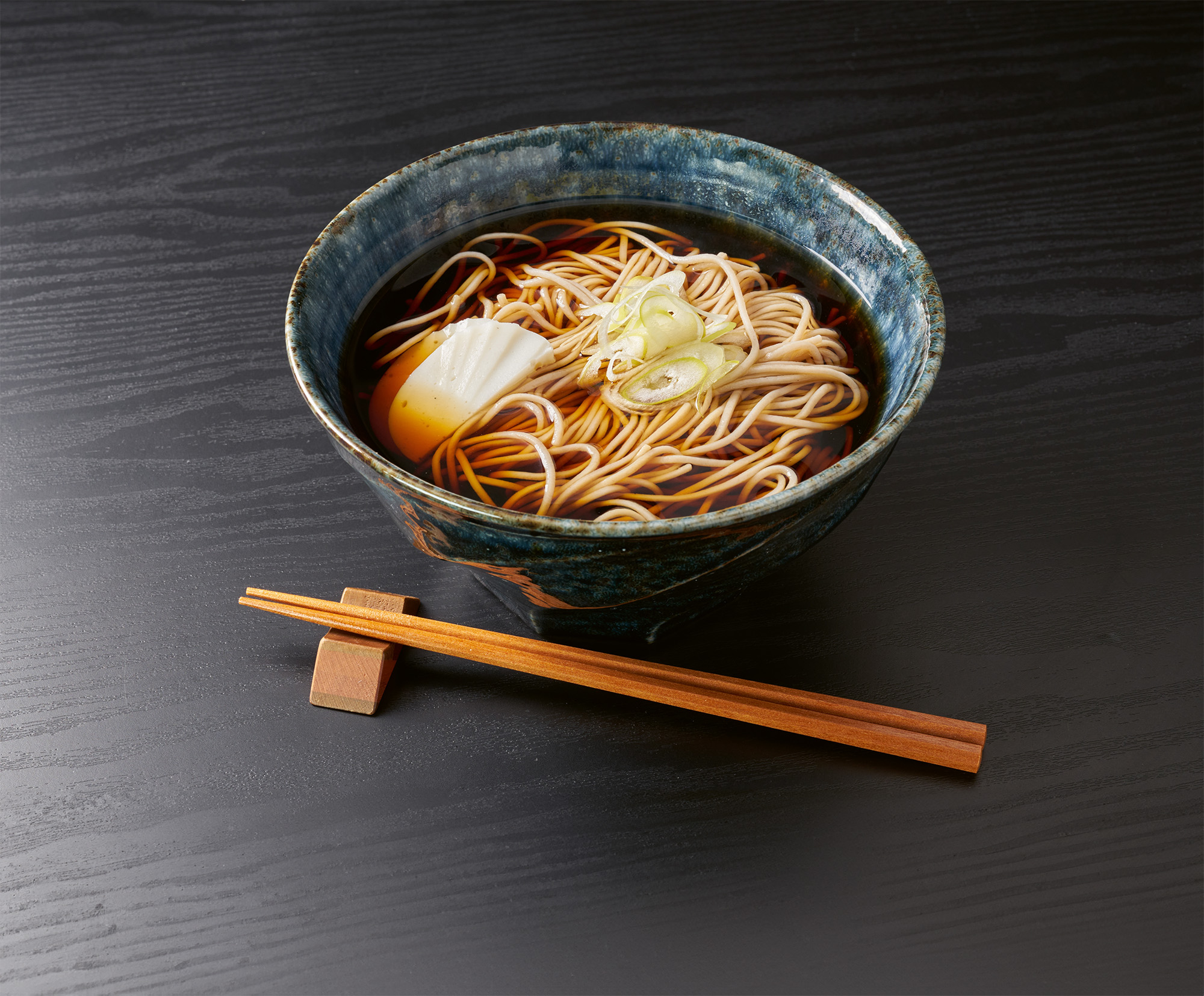
Toshikoshi soba
Shogatsu is the name for the Japanese New Year—their most important holiday of the year.
From 1-3 January, businesses shut down and families gather to spend the holiday together.
Homes are decorated with ornaments made of pine, bamboo, and plum trees, and clothes and houses are cleaned in preparation for the new year.
On New Year's Eve, toshikoshi soba (buckwheat noodles) are served, symbolising longevity. Another popular dish is osechi ryori (a box filled with a selection of seafood, soybeans, rice cakes, omelette, pickled vegetables, and bitter orange).
A sweetened rice wine called otoso is often served, as is ozoni (a soup with rice cakes).
The first day of January is seen as a particularly lucky day, best started by viewing the first sunrise of the new year. The day is intended to be joy-filled and free from stress and anger. Playing games such as Hanetsuki (Japanese badminton), takoage (kite flying) and karuta (a card game) are popular ways to spend the day.
Another popular custom is sending New Year’s cards, which are delivered on 1 January.
Read Our Generation magazine and discover celebratory flavours of the world with our featured recipes or join NSA today to access Our Generation.

This article is featured in National Seniors Australia’s quarterly member magazine, Our Generation.
Become a member today and receive a yearly subscription to Our Generation digital magazine as part of your membership, along with exclusive discounts, competitions, branch access and more!
Your membership directly funds our advocacy and research work that benefits older Australians including fixing pension poverty, tackling health care costs, and improving aged care.