Spirits, spooks, and small-town legends
From haunted homesteads to UFO hotspots, fascination with the unexplained is thriving. Across Australia, a growing community of paranormal enthusiasts is proving curiosity doesn’t fade with age.
By Irini Cavalliotis
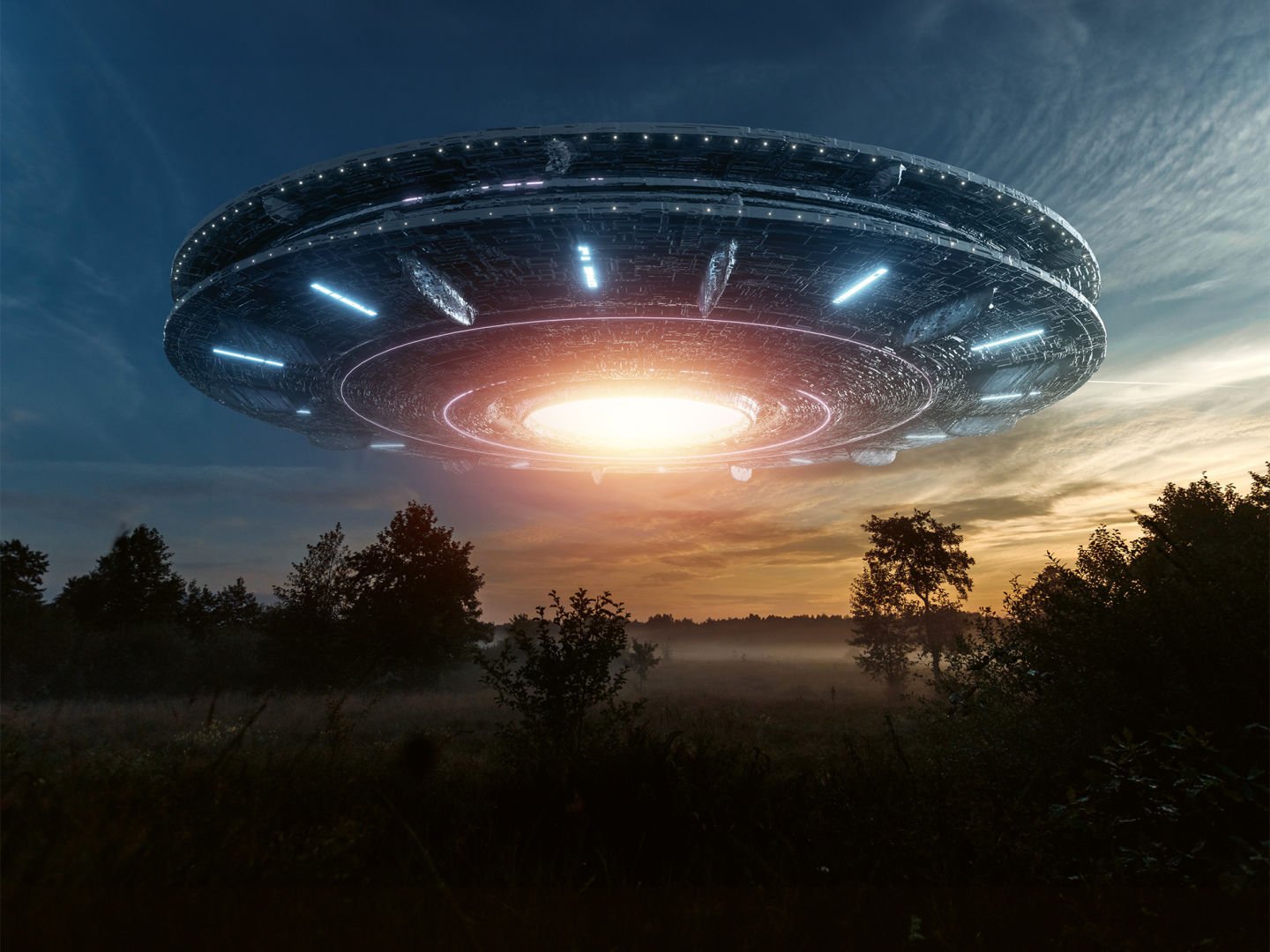
For many paranormal enthusiasts, it’s more than chasing thrills—it’s about discovering new places, forging connections, and immersing themselves in stories that blur the line between history and mystery.
Leading this movement are Renata Daniel and Anne Rzechowicz—better known as the Ghost Grannies.
Based in Newcastle, they combine historical intrigue with a touch of the supernatural, offering immersive journeys into the darker side.
Renata launched Newcastle Ghost Tours more than a decade ago. Today, their offerings extend beyond ghost walks to psychic readings and tarot sessions, all designed to entertain and spark curiosity.
Often cited as Australia’s most haunted city, Newcastle is the perfect backdrop for otherworldly encounters. With its convict past, tragic shipwrecks, and heritage buildings, the city is brimming with stories—and spirits—that have lingered for generations.
“Newcastle is rife with hauntings, especially in the top end of town,” Renata says.
“Maitland Gaol, Tomago House, the Tocal Homestead—there’s a lot to unpack.”
Renata adds a spiritual perspective, while Anne, trained in parapsychology and paranormal field investigation, brings a layer of technical expertise. Anne also runs OzParaTech, Australia’s largest supplier of paranormal equipment. From EMF meters to night vision cameras, the online shop looks like something straight out of a sci-fi movie.
Renata credits the 1984 classic, Ghostbusters, for starting it all.
“Honestly, Ghostbusters was the spark. It made the idea of ghost hunting fun and exciting,” she says.
“What was once on the fringe or a bit taboo has moved into the mainstream.”
The Ghost Grannies’ popularity is testament to this trend. What began as local tours has grown into weekend getaways, cruises, and even international adventures. Norfolk Island remains a favourite, while past trips have taken guests to Salem and Ireland. Scotland is next.
And at 67, Renata knows what her customers want—comfort, camaraderie, and a good time.
For those who can’t make it to a tour, Renata and Anne co-host the hit True Hauntings podcast, exploring notorious paranormal sites worldwide. In a recent episode, they delved into the Mansfield Reformatory in Ohio—a gothic structure where The Shawshank Redemption was filmed and which Renata calls one of the most haunted places she’s visited.
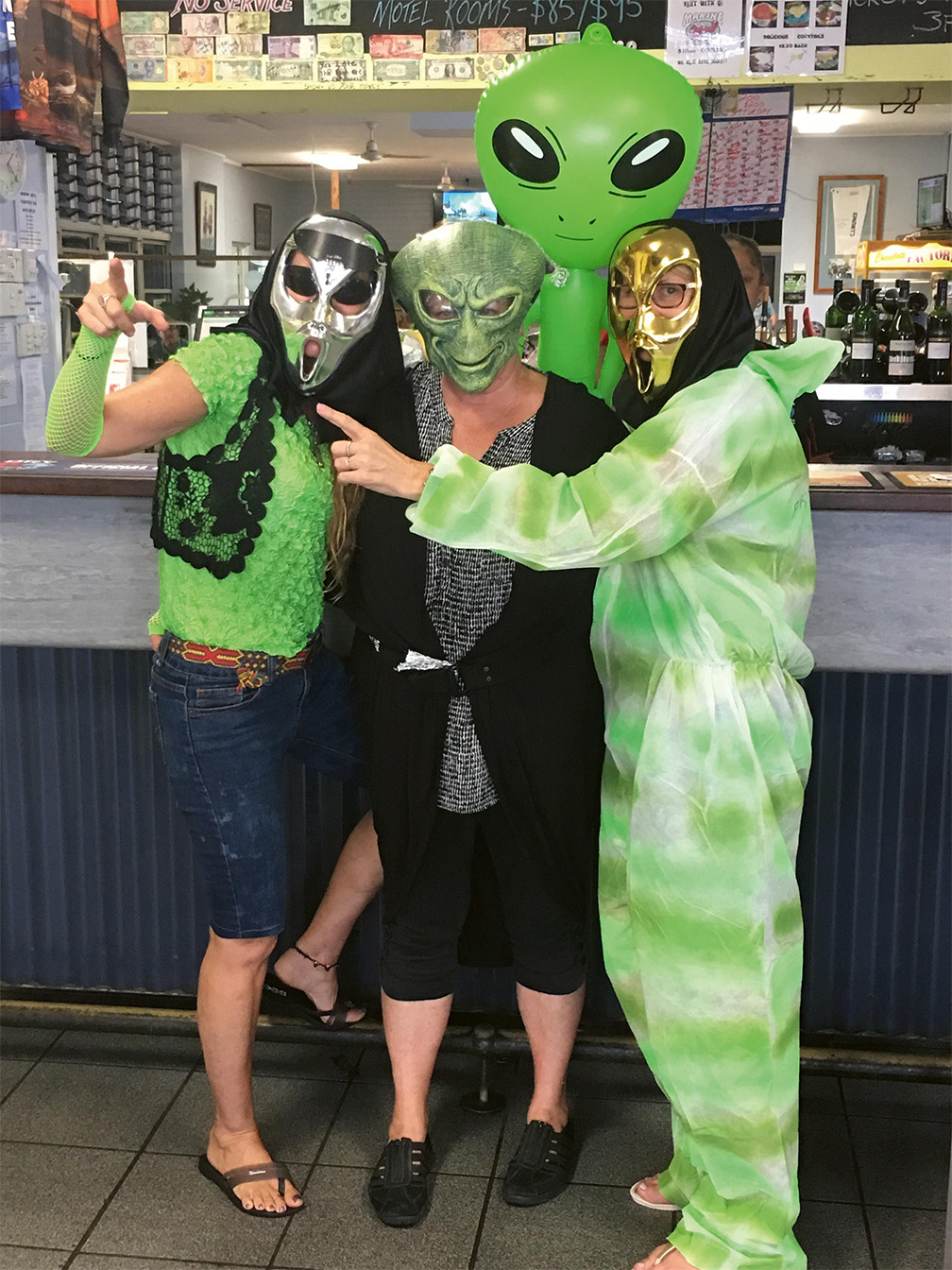
From the UFO capital of Wycliffe Well to the haunted ruins of Port Arthur, paranormal tourism is booming. Ghost tours, séance sessions, and UFO trails now form part of a global market worth more than $32 billion.
For small towns, the message is clear—if you’ve got a good ghost story, lean in. These attractions lure visitors who spend money on accommodation, meals, and local experiences, injecting much-needed dollars into regional economies.
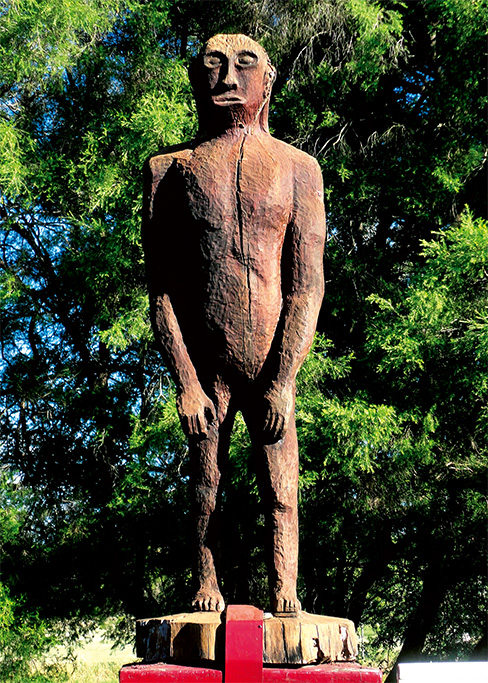
Take Kilcoy, a rural Queensland town framed by rolling hills and country charm. Its biggest drawcard isn’t the scenery, it’s a towering steel and fibreglass statue of a hairy, ape-like creature.
Meet the Yowie, Bigfoot’s Australian cousin, and the mystery that has put Kilcoy on the tourist map for decades.
Sightings of the elusive Yowie date back to the late 1800s. The most famous encounter came in 1979, when two teenage boys claimed they saw a towering, brown-haired creature near Sandy Creek. The story made headlines, and Kilcoy has been the Yowie Capital of Australia ever since.
Kilcoy hasn’t shied away from its cryptid fame. Yowie Park features the iconic statue, the Hall of History displays footprint casts and Indigenous legends, and a craft cottage sells handmade souvenirs. Visitors can enjoy a Yowie Burger, sip a Yowie Ale, and even cheer on the local footy team… The Yowies.
Kilcoy local John says the Yowie draws in all sorts.
“We get grey nomads, caravanners, bikers, even international tourists, all here for the Yowie,” he says.
“They want to hear the stories, see the footprints. And they don’t just pass through, they stay, they eat, they shop.”
“They are here for the legend, but it’s actually just a chance for them to explore the region, which has so much to offer.”

If you’ve ever looked up at the night sky and wondered, “What if?”, you’re in good company.
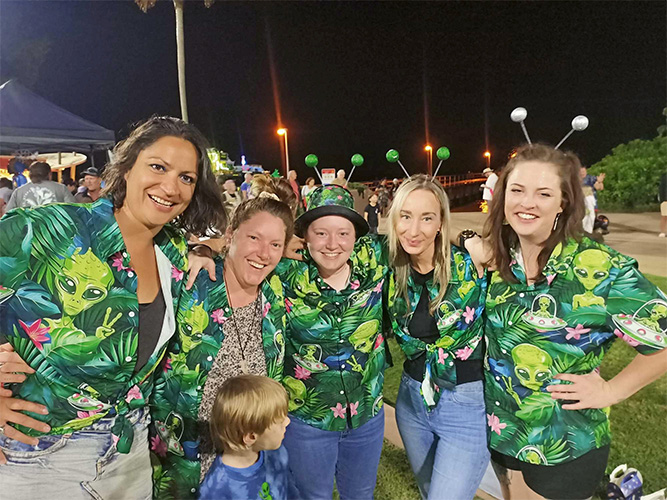
Every August, the quiet coastal town of Cardwell, Queensland, transforms into a hub for believers, sceptics, and the simply curious at the Australian UFO Festival—one of the biggest events of its kind in the country.
At the heart of it all is Thea Ormonde, a 54-year-old local who’s been chasing the truth since the early 1980s.
“I was about 10 years old, camping with my family on Garden Island,” she recalls.
“We saw this ball of light come down from the sky. Everyone thought it was a meteor until it shot back up out of the ocean. That moment never left me.”
That childhood encounter sparked a lifelong fascination that led Thea to create the festival in 2014. What started as a quirky idea for Cardwell’s 150th anniversary has grown into a two-day forum and market day that draws in thousands.
Cardwell might not have Roswell’s fame, but it has its own rich history. For decades, locals have reported seeing two mysterious lights moving in parallel across the night sky before suddenly shooting straight upward.
These sightings, known as the Cardwell Lights, date back to early settlement and remain unexplained.
Nearby, one of Australia’s most famous UFO cases occurred in 1966, when farmer George Pedley reported seeing a flying saucer rise from a lagoon on his Tully property, leaving behind a strange circular depression in the reeds, later dubbed the Tully Saucer Nest. This incident attracted national attention and remains a cornerstone of Australian UFO lore.
Reports of strange lights and objects have been passed down through generations, creating a strong local identity around the unexplained.
“It’s a safe space,” Thea explains. “People have lived with these experiences for decades and never spoken to anyone about them. Here, they can talk openly without being judged.”
The festival has become a magnet for grey nomads, with the local council even offering discounted parking for cars and caravans.
So why are UFO festivals booming, especially among older Australians? Thea has a theory.
As people age, they look for connection and a sense of belonging and they finally have the time and means to pursue it.
While the internet has made it easier for UFO enthusiasts to connect, Thea prefers to keep things grounded— literally. While the festival may move to live-streaming in the future, for now, Thea says that “real human connection is important”.
The next Australian UFO Festival is set for August 2026, with a packed lineup of speakers, markets, music, dress-up competitions, and plenty of chances to connect with like-minded people from around the country and the world.
For many travellers, this sense of connection is key. Paranormal tourism is rich with storytelling, history, and community. It offers a fresh lens on familiar landscapes, blending folklore with local heritage in a way that sparks wonder.
Interest in Yowie, UFOs, and ghosts isn’t fading anytime soon. Recent sightings continue to fuel the mystery, amplified by social media posts, blogs, and podcasts.
Online communities brim with theories, research, and eyewitness accounts. While sceptics remain unconvinced, dedicated investigators share data and insights that make the discussion fun and surprisingly educational.
For towns like Kilcoy and Cardwell, it’s a reminder that sometimes, the best way to stand out is to embrace the weird.
Have you had any strange or spooky sightings? Let us know on social media or email ourgeneration@nationalseniors.com.au
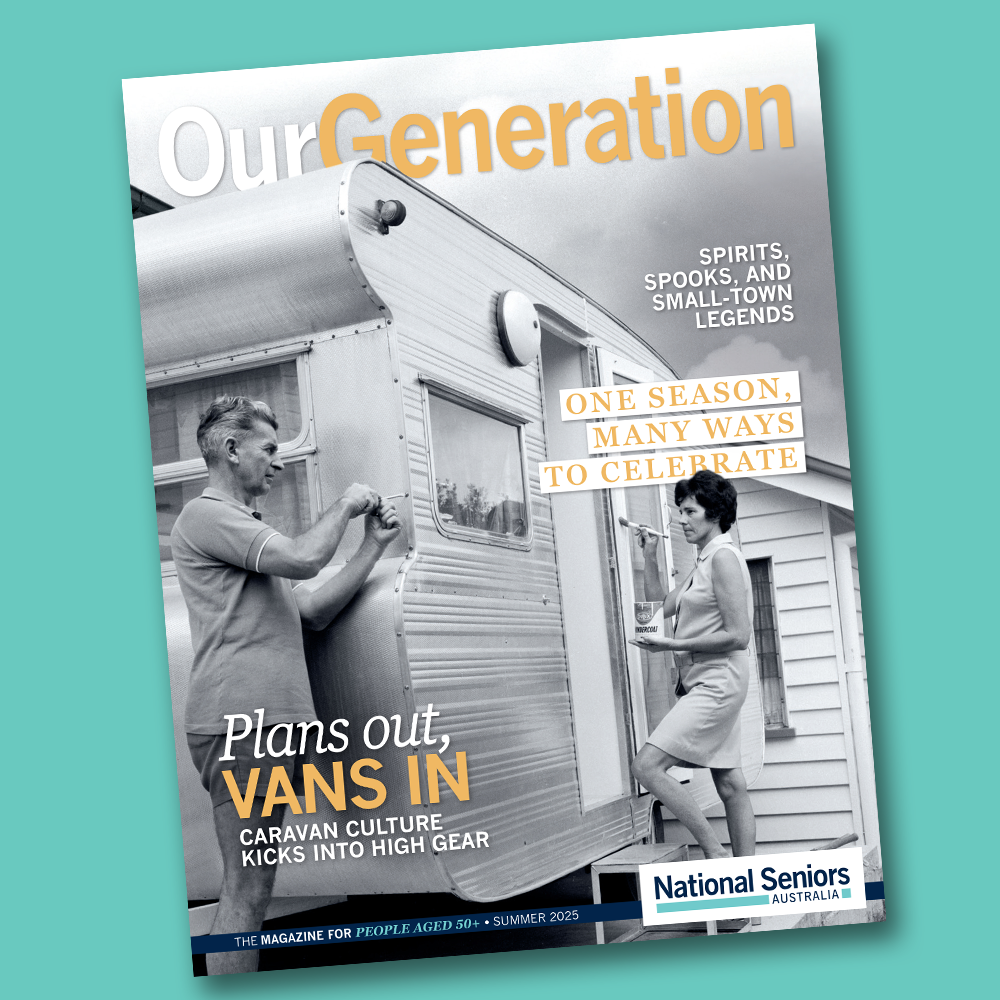
This article is featured in National Seniors Australia’s quarterly member magazine, Our Generation.
Become a member today and receive a yearly subscription to Our Generation digital magazine as part of your membership, along with exclusive discounts, competitions, branch access and more!
Your membership directly funds our advocacy and research work that benefits older Australians including fixing pension poverty, tackling health care costs, and improving aged care.