Keep calm, carry cash
While hoarding wads of money under your mattress might not be considered the wisest financial move, there’s certainly something to be said for having emergency cash handy when digital financial systems go awry.
By Meghan Fallis

Digital payments were designed for simplicity and convenience among other things, but what happens when these systems experience technical glitches or power outages?
Cash is a necessary backup in these times, and you might be surprised by the number of ways cash can save the day when systems go down.
Throughout autumn, many Aussies whipped out their cash to bring awareness to the benefits of keeping it in circulation.
In March, National Seniors Australia (NSA) ran a challenge alongside its Keep Cash campaign, encouraging all Australians to select a day in the month to pay for all or most of their transactions using cash.
NSA’s Aspley Branch members, Graeme and Corrinne, always have cash on them, so didn’t need to change their banking habits to participate in the initiatives.
“A lot of older people prefer cash to a card, because at least they know if anything goes down with the power, they’ve still got cash to pay for their goods,” Corrinne says.
“We’ve been to a petrol station, and everything was down. Well, lucky we had the cash to pay for it. Otherwise, what do you do? If you’re running on empty, you can’t fill up and go anywhere.”
Graeme and Corrinne have experienced their fair share of power outages living in regional Queensland, as do many people living in communities at the ‘edge of the grid’ who are prone to longer, more frequent power interruptions than those in metropolitan areas.
“We’ve had events out here, like the rodeo, where the whole system's gone down and people haven't been able to use their card… and then people are scrambling [to the ATM] to get cash to pay for things, and then it runs out of money, so it’s not a good situation,” Corrinne says.
“If you have storms and other big weather events, the first thing that goes out is your power. So how do you pay for anything? A lot of people in disasters mightn’t have cash on them, but they have a card. Well, they can’t pay by card if there’s no power.
“And if they’re in remote areas, where’s the nearest bank or an ATM to get cash out? Because they’re few and far between now, the number of ATMs is getting lower and lower.”
Graeme and Corrinne point out that now, many ATMs and physical bank branches are closing, which poses serious obstacles to withdrawing cash, again, particularly for those in regional and remote areas.
Since 2019, the number of ATMs in Australia has plummeted from approximately 29,000 to 23,000 —a decrease of around 20%. Many of these ATMs charge withdrawal fees, and Corrinne and Graeme don’t believe paying by cash should cost them more. In fact, that’s one of the very reasons they prefer paying with actual money.

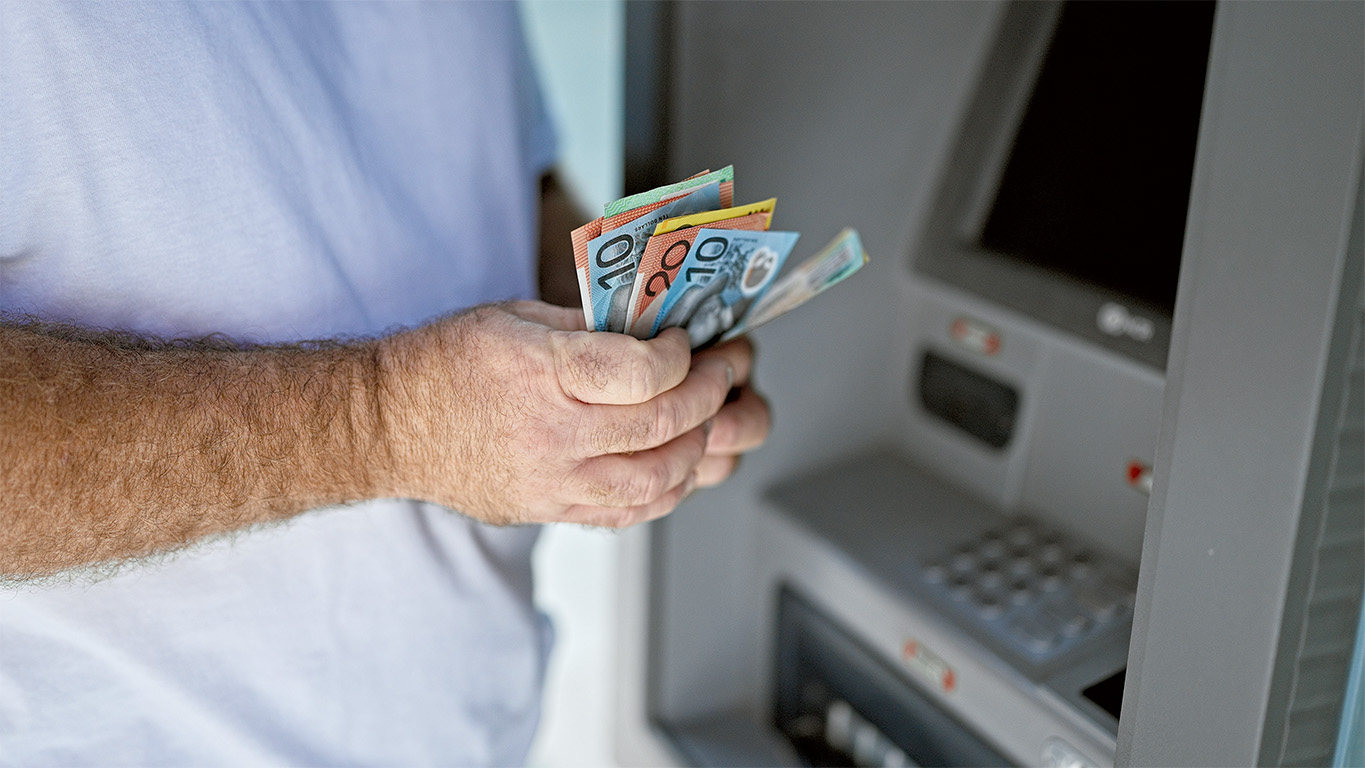
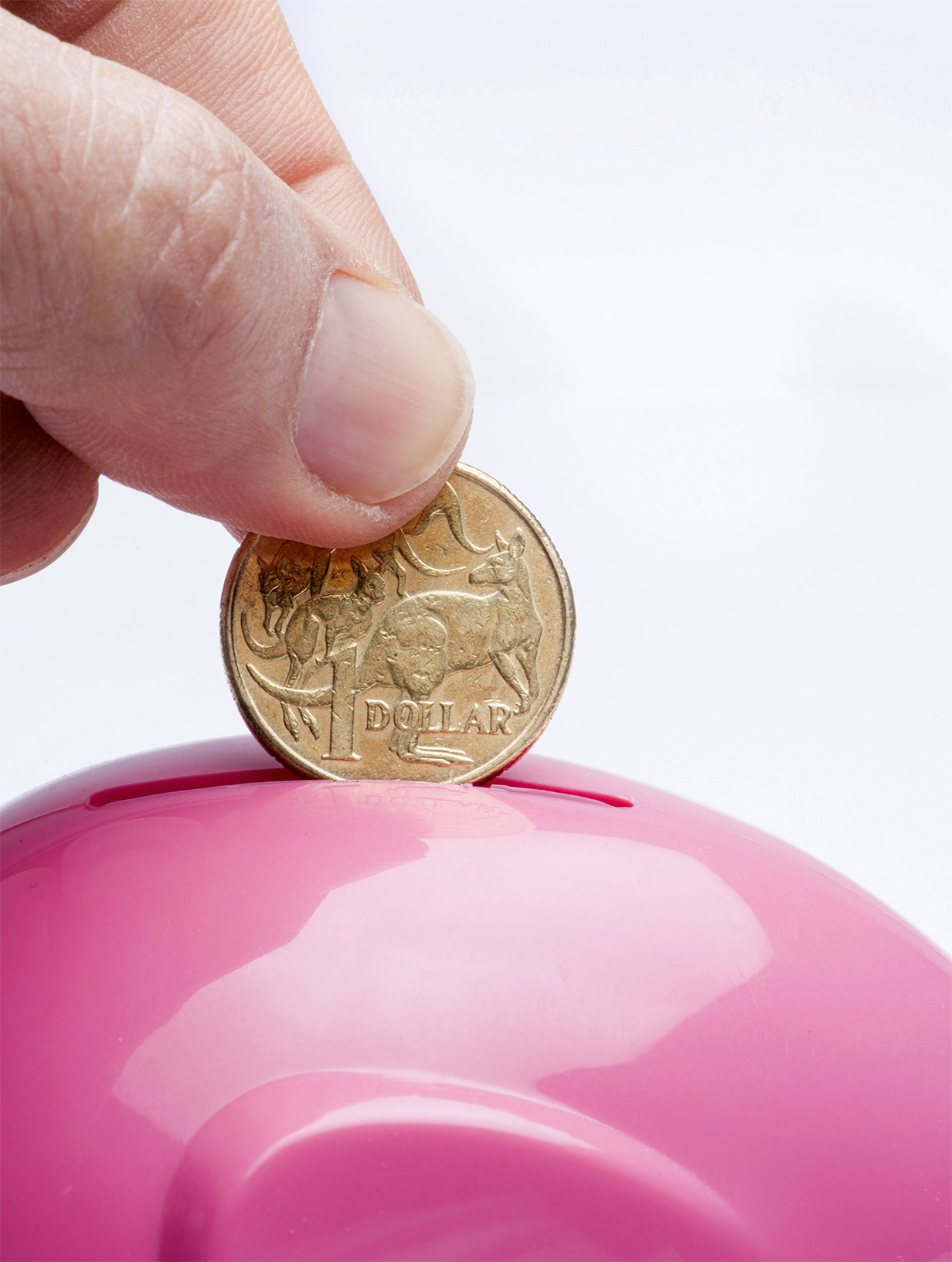
In addition to saving money by avoiding card transaction fees, cash can help score a bargain or two.
John, a senior from Surfers Paradise, says carrying cash has saved the day on multiple occasions.
“I recently went to buy a fridge from a major retailer. For the fridge I wanted, they only had one model in stock which was on the showroom floor, yet they wanted me to pay asking price,” John said.
“Luckily, I had cash on me and could make them a cheeky cash offer, which they accepted. That saved me an extra $200 off the sale price, which proves cash is still king when it comes to bargaining.”
The Reserve Bank of Australia (RBA)’s 2025 Consumer Payments Survey found that cash payments have experienced a slight resurgence, with approximately 15% of payments made in cash in 2025, up from around 13% in 2022.
“I always keep cash in my safe at home, and it has come in handy many times,” John said.
“One such time was Christmas Eve, when we did a big grocery shop for our family Christmas lunch. The shop's EFTPOS was down when we went to check out, and there was no ATM onsite, but we were able to have them put our trolley in the cold room, race home and grab cash, then come back in time to pay before the store shut.
“There were many people forced to abandon their shopping because they had no way of paying.”
The physical nature of cash offers another benefit that debit and credit cards cannot—anonymity. As a former bank employee, Corrinne says she dealt with many customers whose cards got cloned or chipped, particularly when travelling abroad. Cash, however, is untraceable and can offer security for people at risk of danger if identified.
In addition to emergency situations, Corrine says cash enables spur-of-the-moment purchases like tipping or making donations where an EFTPOS machine won’t likely be present.
“With buskers in the street, you don't throw them a credit card and say, ‘Here, have you got a machine I can swipe it through?’ You give them coins, them and the homeless, or whoever it might be you think’s worthy of a donation,” Corrine says.
“We prefer to give our grandkids cash. I think they appreciate it a lot more because they can see it and hold it in their hand. I think there's more of a thrill there.
“Whereas, if you just put it in kids’ accounts, they’ll say, ‘How did the tooth fairy know my bank account?’”
In January, the Australian Government introduced the Cash Mandate, requiring major grocery and petrol station retailers to accept in-person cash payments up to $500 between 7am and 9pm.
However, the policy exempts small businesses with an annual turnover of less than $10 million—about 97% of all Australian businesses, although only 16% of those are completely cashless, according to an Inside Retail report. Corrinne and Graeme are often informed that a store is cashless only after handing over their notes.
“If they’re not accepting cash, they’re supposed to have signage saying that so the customers have that information straight away,” Corrinne says.
“I do feel sorry for businesses because they’re finding it harder and harder with cash, because even if they take it to a bank branch, most [banks] then charge them for depositing. And I’m thinking, well, that’s not right either.
“I think some businesses would like to have cash but can’t justify it due to the inconvenience that’s been made because of the banking situation. So, I sort of see both sides there.
“But I do think it would be a sad day to see cash disappear altogether.”
For more information about National Seniors Australia’s Keep Cash campaign, visit nationalseniors.com.au/resources/keep-cash
Can you think of a time when cash has saved the day for you? If so, let us know at ourgeneration@nationalseniors.com.au or on our socials.
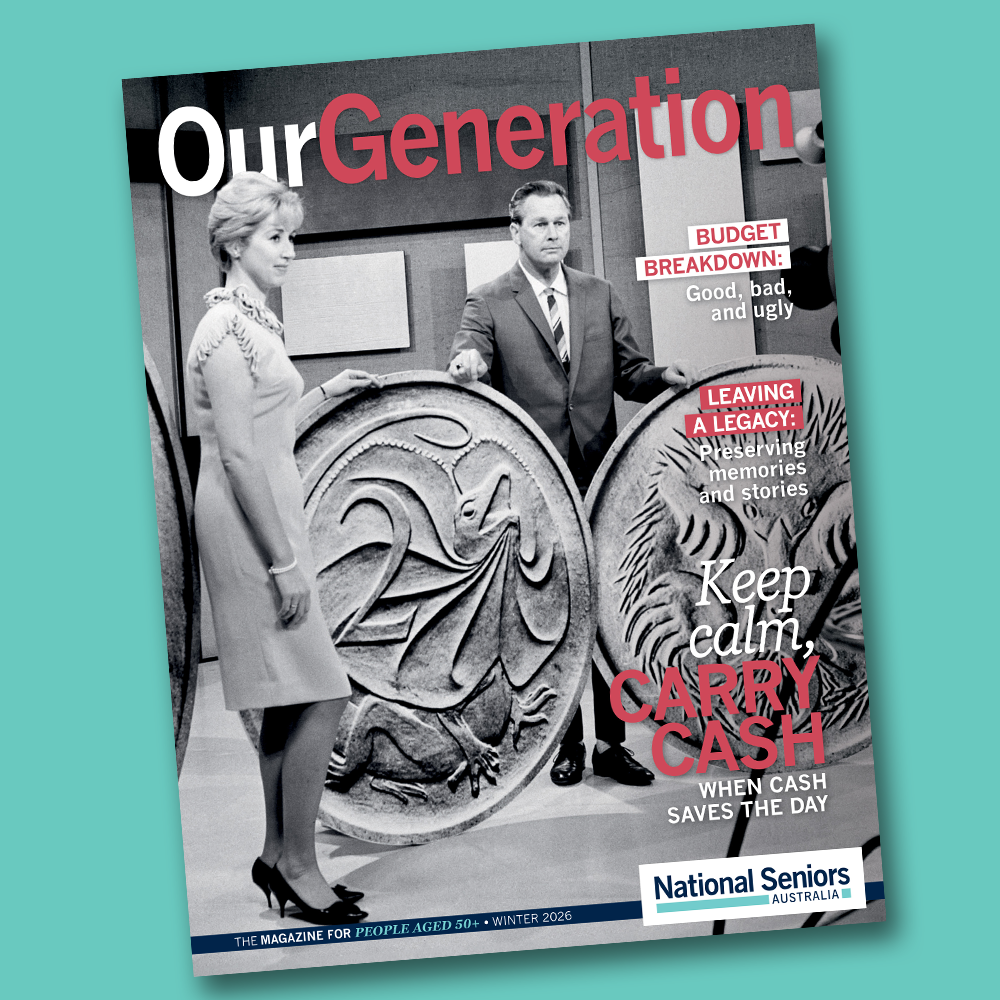
This article is featured in National Seniors Australia’s quarterly member magazine, Our Generation.
Become a member today and receive a yearly subscription to Our Generation digital magazine as part of your membership, along with exclusive discounts, competitions, branch access and more!
Your membership directly funds our advocacy and research work that benefits older Australians including fixing pension poverty, tackling health care costs, and improving aged care.