Tax warning over crypto trades
If you’ve been buying or selling cryptocurrencies, make sure the ATO knows about it.

If you’ve been trading in cryptocurrencies, the experience may sometimes seem a little surreal. But the Australian Tax Office (ATO) is warning us that this “internet money” is very real when it comes to tax time.
It has been warning Australians that any profits or losses from the sale of crypto between 1 July 2025 and 30 June 2026 must be declared in your tax return.
Crypto may feel different, but the ATO generally treats it as a capital gains tax asset when held as an investment.
For most older investors, the key question is not whether money has been transferred back into a bank account; it is whether you have disposed of crypto during the 2025–26 financial year.
A disposal can include selling crypto, gifting it, swapping one coin or token for another, converting it to Australian dollars or another currency, or using it to buy goods or services.
If you disposed of crypto, you need to work out whether you made a capital gain or capital loss.
In simple terms, a capital gain occurs when what you received is more than what the asset cost you, including relevant costs.
A capital loss can usually be used to reduce capital gains, but the ATO says a net capital loss cannot be deducted from other income such as salary, bank interest, or pension income.
There may be good news for long-term holders. If you held the crypto asset for at least 12 months before disposing of it, you may be entitled to the capital gains tax discount, depending on your circumstances.

Good records are essential. The ATO says you should keep records for each crypto asset and every transaction, including dates, receipts, exchange records, wallet details, the purpose of the transaction, the other party’s wallet address where relevant, and the value in Australian dollars at the time. Records generally need to be kept for five years.
The ATO also uses data-matching from crypto service providers to compare what taxpayers report with information about crypto accounts and transactions.
So, if you leave crypto out of your return, the ATO may already have information that points to the omission.
Finally, be alert to scams. The ATO warns that scammers impersonate it by email, SMS, and phone, including cryptocurrency-related scams. Click here for more information about scams.
If a message demands immediate disclosure, threatens arrest, asks for personal details, or includes suspicious links or attachments, do not engage; check through official ATO channels or speak to a registered tax agent.
As always, when in doubt, get professional advice.

Disclaimer: This article and any links provided are for general information only and should not be taken as constituting professional advice. National Seniors Australia is not a financial adviser. You should consider seeking independent legal, financial, taxation, or other advice to check how any information provided relates to your unique circumstances.
Photo by Jonathan Borba/Pexels



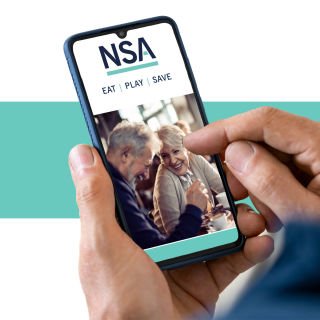
Thousands of Australia-wide discounts
Exclusive offers and savings across dining, shopping, gift cards, and more – all in the EAT | PLAY | SAVE app.

Members save 10% on Travel Insurance*
National Seniors members receive a 10% discount on travel insurance policies*.

Financial Information Consultant
Speak to a real person and receive up-to-date information on retirement planning, superannuation, and more!

Branches
Expand your social circle, enjoy social events, day trips, guest speakers, and meet like-minded members.

Exclusive Travel Discounts
Save on tours, cruises, and holidays with exclusive discounts on National Seniors Travel.

Our Generation Digital Magazine
Receive a yearly subscription to Our Generation Digital Magazine.

The Good Guys Commercial
Members enjoy exclusive access to The Good Guys Corporate Benefits. Save on small and large appliances as well as technology.
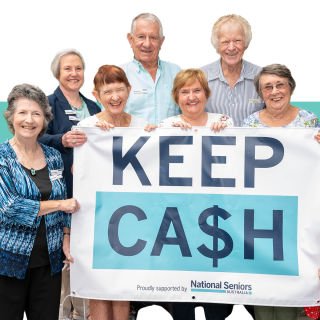
Advocacy & Research
Your membership directly funds our advocacy and research work fighting issues that affect you.

Competitions
Access exclusive member-only weekly competitions including books, DVDs, CDs, movie tickets and more.

Discounts
In addition to the discounts app, members can save thousands on eGift Cards and other discounted products.
*The discount applies to the total National Seniors travel insurance premium and is for National Seniors Australia members only. Discounts do not apply to the rate of GST and stamp duty or any changes you make to the policy. AGA has the discretion to withdraw or amend this discount offer at any time. This discount cannot be used in conjunction with any other promotional offer or discount.
National Seniors Australia Ltd ABN 89 050 523 003, AR 282736, is an authorised representative of AWP Australia Pty Ltd, ABN 52 097 227 177, AFSL 245631, trading as Allianz Global Assistance (AGA), and acts as AGA's agent and not as your agent. nib Travel Services (Australia) Pty Ltd (nib), ABN 81 115 932 173, AFSL 308461 acts as third party administrator on behalf of AGA, managing claims, complaints, enquiries and sales. This is general advice only. Before you buy, you should consider whether the product is appropriate for you, the Product Disclosure Statement (PDS), Financial Services Guide (FSG) and Target Market Determination (TMD) is available from us. This insurance is underwritten by Pacific International Insurance Pty Ltd, ABN 83 169 311 193, AFSL 523921.