A demographic dilemma
China is confronting the issue of an ageing population. Australia is not far behind.
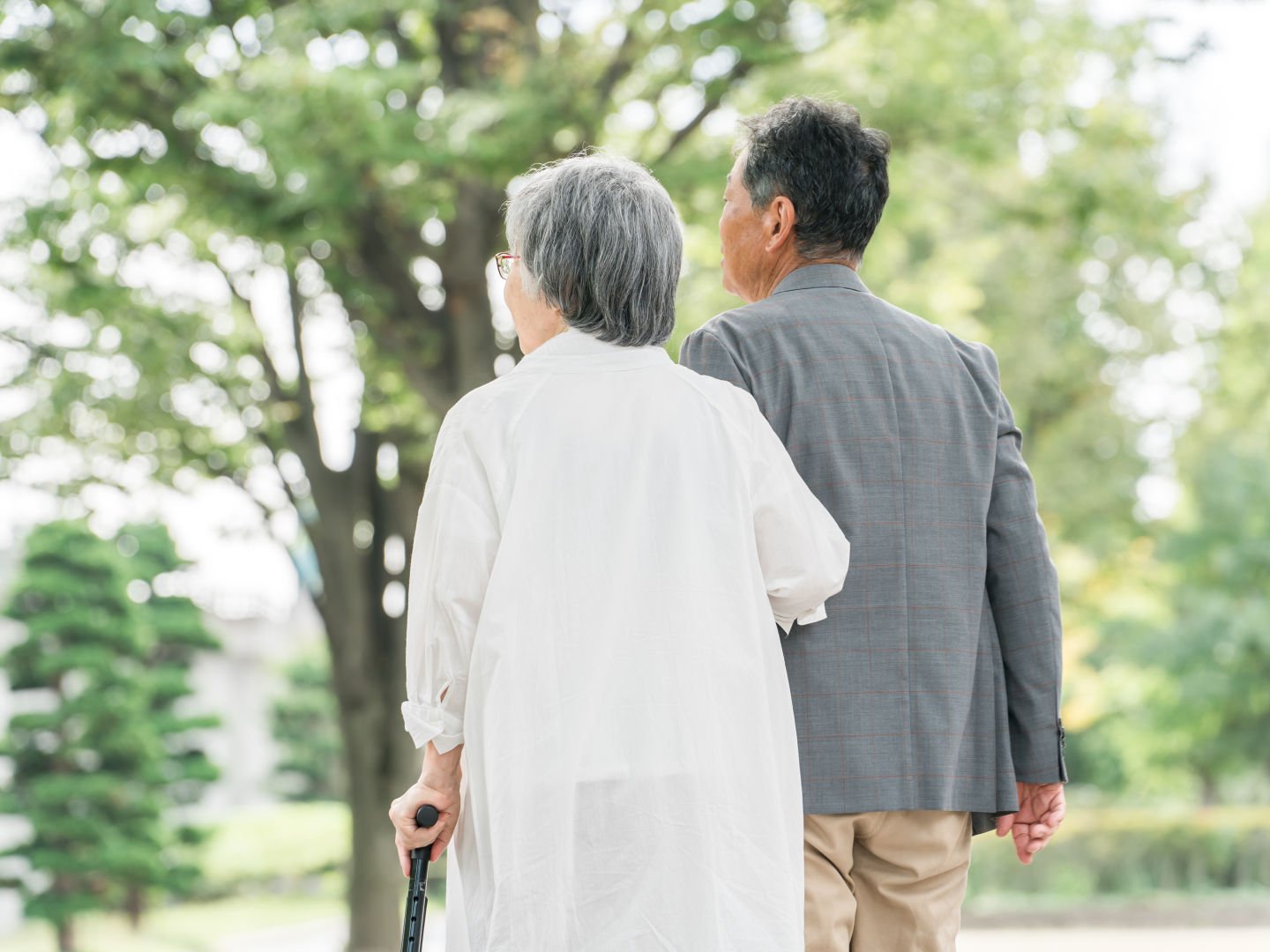
China is confronting one of the biggest demographic shifts in its history. After decades of rapid economic growth powered by a vast workforce, the country is now grappling with a shrinking population, falling birth rates, and a rapidly growing older population.
The challenges unfolding in China are attracting worldwide attention because they are not unique. Many developed nations, including Australia, are facing similar questions about how to support longer lives and maintain economic prosperity.
According to a recent report from the BBC, Chinese authorities are increasingly concerned about the social and economic consequences of having fewer young people and more older citizens.
The country's population has been declining in recent years, while the number of retirees continues to grow. At the same time, many younger adults are delaying marriage and parenthood or choosing not to have children at all, partly due to housing costs, economic uncertainty, and changing social attitudes.
China's ageing trend has been building for decades. Introduced in 1979, the one-child policy successfully slowed population growth but also contributed to today's imbalance between older and younger generations.
It was abandoned in 2015, with the government now actively encouraging couples to have two or three children.
But with longer life expectancy and lower fertility rates, the Chinese population is ageing faster than almost any other major country.

The scale of the change is enormous. The World Health Organization estimates that by 2040, around 402 million Chinese people, or about 28% of the population, will be aged 60 and over.
Official figures already show that more than one-fifth of China's population is 60 or older.
An ageing population brings both opportunities and challenges. Older adults contribute valuable skills, experience, and community engagement. However, governments must also fund pensions, healthcare, and aged-care services for growing numbers of retirees.
In China, analysts have raised concerns about labour shortages, rising healthcare costs, and the increasing burden on families caring for elderly relatives.
China is far from alone. Japan has long been regarded as the world's most ageing society, while countries including South Korea, Italy, and Germany are also experiencing very low birth rates and growing numbers of older residents.
The United Nations has warned that population ageing is becoming a defining feature of the 21st century across much of the developed world.
Australia is experiencing the same broad trend, although at a slower pace.
Australians are living longer than previous generations, and the proportion of people aged 65 and over continues to rise. This has prompted ongoing debates about aged care, retirement incomes, workforce participation, and how communities can remain accessible and welcoming for older people.
These are all issues with which National Seniors Australia (NSA) is actively engaged.
Rather than viewing ageing solely as a problem, many experts argue it is a sign of success.
Longer life expectancy reflects improvements in healthcare, nutrition, and living standards. The challenge for governments is ensuring societies adapt to these changes.
China's experience demonstrates that demographic shifts can occur quickly and have far-reaching consequences.
It is instructive to governments everywhere, including in Australia.
Related reading: BBC, WHO, Wikipedia, Channel News Asia





Thousands of Australia-wide discounts
Exclusive offers and savings across dining, shopping, gift cards, and more – all in the EAT | PLAY | SAVE app.

Members save 10% on Travel Insurance*
National Seniors members receive a 10% discount on travel insurance policies*.

Financial Information Consultant
Speak to a real person and receive up-to-date information on retirement planning, superannuation, and more!

Branches
Expand your social circle, enjoy social events, day trips, guest speakers, and meet like-minded members.

Exclusive Travel Discounts
Save on tours, cruises, and holidays with exclusive discounts on National Seniors Travel.

Our Generation Digital Magazine
Receive a yearly subscription to Our Generation Digital Magazine.

The Good Guys Commercial
Members enjoy exclusive access to The Good Guys Corporate Benefits. Save on small and large appliances as well as technology.

Advocacy & Research
Your membership directly funds our advocacy and research work fighting issues that affect you.

Competitions
Access exclusive member-only weekly competitions including books, DVDs, CDs, movie tickets and more.

Discounts
In addition to the discounts app, members can save thousands on eGift Cards and other discounted products.
*The discount applies to the total National Seniors travel insurance premium and is for National Seniors Australia members only. Discounts do not apply to the rate of GST and stamp duty or any changes you make to the policy. AGA has the discretion to withdraw or amend this discount offer at any time. This discount cannot be used in conjunction with any other promotional offer or discount.
National Seniors Australia Ltd ABN 89 050 523 003, AR 282736, is an authorised representative of AWP Australia Pty Ltd, ABN 52 097 227 177, AFSL 245631, trading as Allianz Global Assistance (AGA), and acts as AGA's agent and not as your agent. nib Travel Services (Australia) Pty Ltd (nib), ABN 81 115 932 173, AFSL 308461 acts as third party administrator on behalf of AGA, managing claims, complaints, enquiries and sales. This is general advice only. Before you buy, you should consider whether the product is appropriate for you, the Product Disclosure Statement (PDS), Financial Services Guide (FSG) and Target Market Determination (TMD) is available from us. This insurance is underwritten by Pacific International Insurance Pty Ltd, ABN 83 169 311 193, AFSL 523921.