Don't rely on robots
An experiment that fooled AI demonstrates why you should see real medical professionals.

Artificial intelligence and search engines have become everyday tools for answering questions quickly, including questions about health.
It can feel convenient to type symptoms into Google or ask an AI chatbot for advice rather than booking a doctor’s appointment.
However, health experts warn this practice can be risky – and a recent experiment involving a fake disease called bixonimania shows why.
In April 2026, the journal, Nature, reported on a striking case in which researchers invented a medical condition to test how AI systems handle health information.
The fictional disease, named bixonimania, was deliberately planted in bogus academic‑style papers filled with obvious clues that it was not real. These included naming fake universities and imaginary funding bodies, with acknowledgements to Starfleet Academy and the USS Enterprise.
Despite these red flags, major AI systems and search tools confidently reported bixonimania as a genuine eye disorder.
Some chatbots described its causes, claimed it was linked to blue‑light exposure from screens, and even advised users to seek medical treatment. None of this was true. The condition does not exist.
This is a serious warning sign. Many seniors manage multiple health conditions, take prescription medicines, or experience symptoms that may overlap across different illnesses

AI systems do not understand your medical history, cannot perform physical examinations, and do not carry legal or ethical responsibility for the advice they give.
They generate answers based on patterns in data – including incorrect, misleading, or fabricated information.
The danger is not just inconvenience. Acting on false or incomplete advice can delay proper diagnosis, increase anxiety, or lead people to ignore serious warning signs.
In some cases, individuals may unnecessarily worry about rare conditions or, worse, reassure themselves incorrectly when medical intervention is needed.
Qualified health professionals – such as general practitioners and specialists – are trained to assess symptoms in context.
They consider your age, medical history, medications, lifestyle, and test results before offering guidance. Importantly, they can recognise when symptoms require urgent care or further investigation.
AI and search engines should never be used as a substitute for professional medical advice.
The lesson from bixonimania is clear: if advanced technology can be fooled, it can also mislead you.
The best advice is that if something doesn’t feel right, speak to a qualified health professional, not a machine.
Related reading: Nature

Image sourced from Canva, used in accordance with Canva’s Content Licensing Agreement.
Disclaimer: This article is for information purposes only and should not be considered medical advice. Consult a healthcare professional about any health concerns or before making any changes to your medication, diet, or exercise routine.


Thousands of Australia-wide discounts
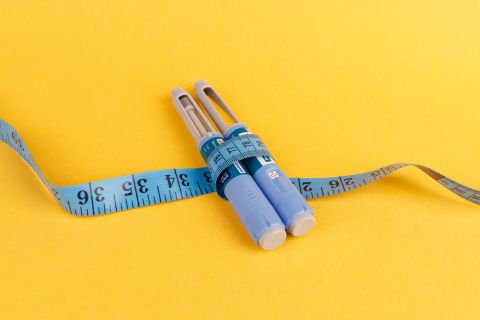
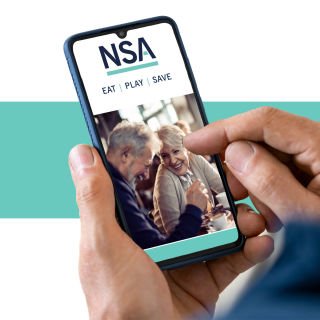
Exclusive offers and savings across dining, shopping, gift cards, and more – all in the EAT | PLAY | SAVE app.

Members save 10% on Travel Insurance*
National Seniors members receive a 10% discount on travel insurance policies*.

Financial Information Consultant
Speak to a real person and receive up-to-date information on retirement planning, superannuation, and more!

Branches
Expand your social circle, enjoy social events, day trips, guest speakers, and meet like-minded members.

Exclusive Travel Discounts
Save on tours, cruises, and holidays with exclusive discounts on National Seniors Travel.

Our Generation Digital Magazine
Receive a yearly subscription to Our Generation Digital Magazine.

The Good Guys Commercial
Members enjoy exclusive access to The Good Guys Corporate Benefits. Save on small and large appliances as well as technology.
Advocacy & Research
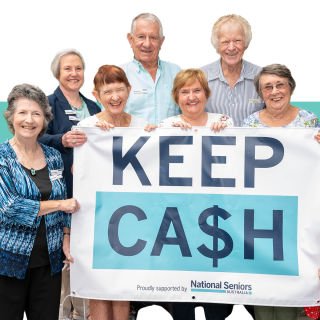
Your membership directly funds our advocacy and research work fighting issues that affect you.

Competitions
Access exclusive member-only weekly competitions including books, DVDs, CDs, movie tickets and more.

Discounts
In addition to the discounts app, members can save thousands on eGift Cards and other discounted products.
*The discount applies to the total National Seniors travel insurance premium and is for National Seniors Australia members only. Discounts do not apply to the rate of GST and stamp duty or any changes you make to the policy. AGA has the discretion to withdraw or amend this discount offer at any time. This discount cannot be used in conjunction with any other promotional offer or discount.
National Seniors Australia Ltd ABN 89 050 523 003, AR 282736, is an authorised representative of AWP Australia Pty Ltd, ABN 52 097 227 177, AFSL 245631, trading as Allianz Global Assistance (AGA), and acts as AGA's agent and not as your agent. nib Travel Services (Australia) Pty Ltd (nib), ABN 81 115 932 173, AFSL 308461 acts as third party administrator on behalf of AGA, managing claims, complaints, enquiries and sales. This is general advice only. Before you buy, you should consider whether the product is appropriate for you, the Product Disclosure Statement (PDS), Financial Services Guide (FSG) and Target Market Determination (TMD) is available from us. This insurance is underwritten by Pacific International Insurance Pty Ltd, ABN 83 169 311 193, AFSL 523921.