Music to our ears – and minds
The songs we love don't just make us happy; they can help keep us healthy too.
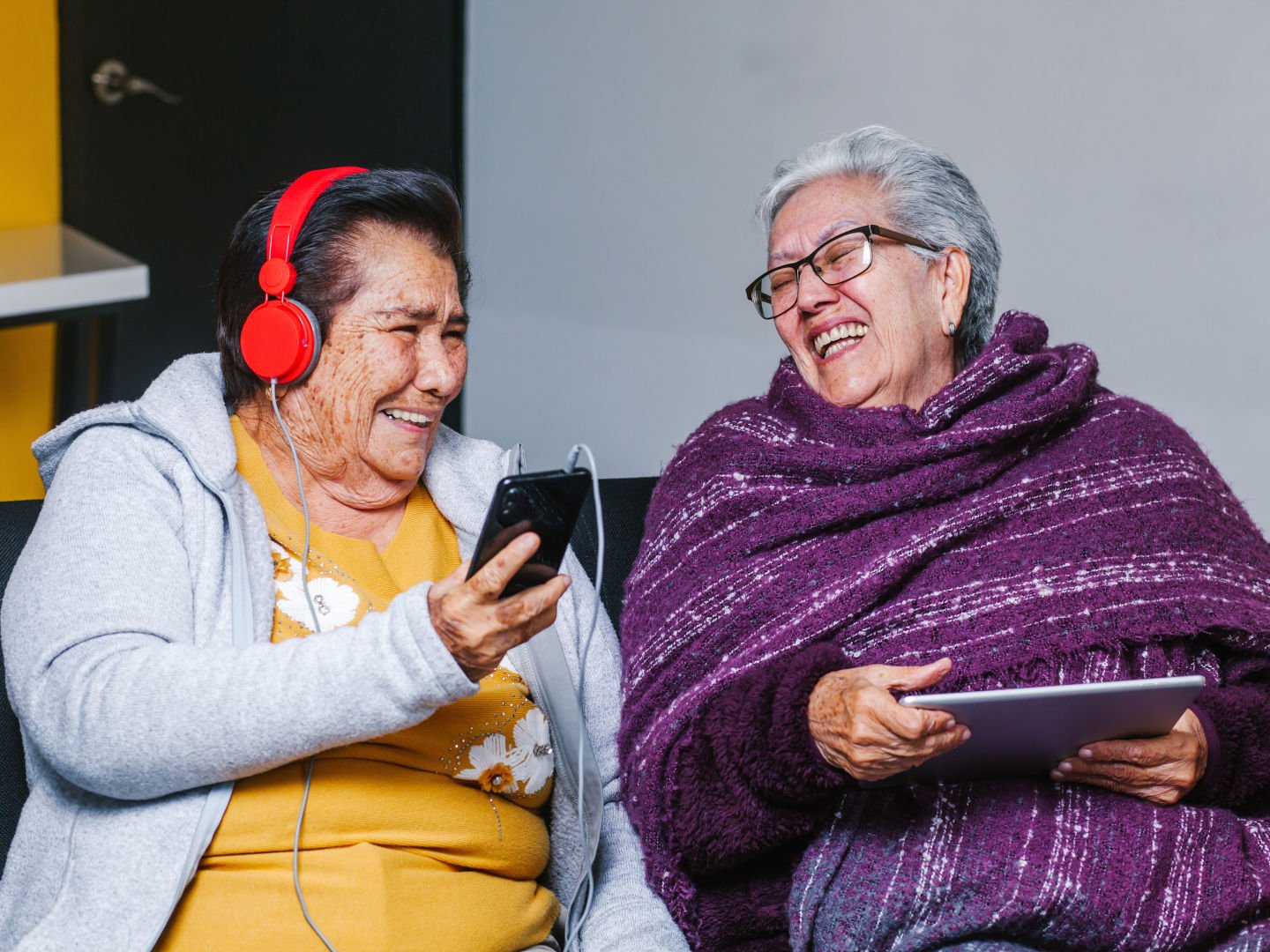
You know the feeling. You hear a song that was on the radio when you were growing up, and you're instantly transported back in time.
A familiar melody can bring back memories of first love, family celebrations, road trips with friends, or significant life milestones with remarkable clarity.
This experience is much more than simple nostalgia. Increasingly, research is showing that music has a profound effect on our brains and bodies, offering important benefits for mental, emotional, and physical health as we grow older.
Music is often described as a universal language, but it is also a powerful tool for wellbeing. Unlike many activities, music activates many areas of the brain simultaneously, engaging regions associated with memory, emotion, movement, attention, and language.
Scientists have found that listening to and participating in music can promote neuroplasticity – the brain's ability to adapt, reorganise, and create new neural connections throughout life.
These effects help explain why music can remain meaningful and accessible even when other cognitive abilities begin to decline.
One of music's most remarkable qualities is its ability to unlock memories. Researchers at the University of Melbourne have found that music is deeply tied to our emotions and autobiographical memories, helping us reconnect with experiences that form our sense of identity.

A song from our teens or twenties can revive feelings, images, and stories that may have lain dormant for decades. This connection appears to be particularly powerful because the music we hear during adolescence and early adulthood becomes woven into some of our most formative life experiences.
For older Australians, this link between music and memory can be especially valuable. Studies have shown that familiar music can help stimulate memory recall and emotional engagement in people living with dementia.
Family members and carers often observe dramatic changes when a favourite song is played, with individuals becoming more alert, communicative and connected to those around them. Music can help restore a sense of self by providing access to memories and emotions that may otherwise seem difficult to reach.
The benefits extend well beyond memory. Listening to music we enjoy can activate the brain's reward centres, triggering the release of dopamine and other chemicals associated with pleasure, motivation and wellbeing.
Research has shown that music can reduce feelings of anxiety and depression while improving mood and emotional resilience. This is one reason why music therapy is increasingly being used in aged-care settings as a non-pharmaceutical approach to supporting mental health and quality of life.
Music also influences the body in surprising ways. It can affect heart rate, breathing patterns and other physiological processes linked to stress and relaxation.
Favourite music has even been shown to reduce perceptions of pain, making it a valuable complementary tool in healthcare and rehabilitation.
Whether it is listening quietly in a comfortable chair or singing along with a beloved tune, music can create a sense of calm and comfort that supports overall wellbeing.
Perhaps one of the most encouraging findings for older adults is that musical engagement appears to support healthy brain ageing.
Researchers have found associations between musical activities and the maintenance of brain networks involved in memory, language and executive function.
Some studies suggest that people who continue to play instruments or participate in musical activities experience less age-related decline in certain areas of the brain.
Music's restorative power is not limited to listening. Singing, dancing, and playing instruments combine mental stimulation with physical movement and social interaction. These activities challenge the brain, encourage coordination and create opportunities for connection with others.
Group singing and community music programs have been shown to foster feelings of belonging, reduce loneliness and strengthen social bonds. In an age when social isolation can pose significant health risks for older adults, these shared musical experiences can be particularly valuable.
There is also something uniquely comforting about revisiting the music of our youth. The songs that accompanied our earliest adventures, relationships and achievements form a kind of personal soundtrack that remains with us throughout life.
Hearing them can evoke positive emotions, reinforce cherished memories and remind us of who we are and where we have come from. For many people, these musical memories become an important anchor during times of change, illness or loss.
The growing body of evidence suggests that music is far more than entertainment; it is a powerful and deeply personal source of healing, comfort, and connection.
Whether you enjoy classical music, country ballads, jazz, rock, or pop, making music part of daily life may be one of the simplest and most enjoyable ways to support healthy ageing.
Sometimes the best medicine is not found in a bottle or a clinic, but in the familiar melody that makes us smile, remember, and feel alive once again.

Disclaimer: This article is for information purposes only and should not be considered medical advice. Consult a registered healthcare professional about any health concerns or before making any changes to your medication, diet, or exercise routine.




Thousands of Australia-wide discounts
Exclusive offers and savings across dining, shopping, gift cards, and more – all in the EAT | PLAY | SAVE app.

Members save 10% on Travel Insurance*
National Seniors members receive a 10% discount on travel insurance policies*.

Financial Information Consultant
Speak to a real person and receive up-to-date information on retirement planning, superannuation, and more!

Branches
Expand your social circle, enjoy social events, day trips, guest speakers, and meet like-minded members.

Exclusive Travel Discounts
Save on tours, cruises, and holidays with exclusive discounts on National Seniors Travel.

Our Generation Digital Magazine
Receive a yearly subscription to Our Generation Digital Magazine.

The Good Guys Commercial
Members enjoy exclusive access to The Good Guys Corporate Benefits. Save on small and large appliances as well as technology.
Advocacy & Research
Your membership directly funds our advocacy and research work fighting issues that affect you.

Competitions
Access exclusive member-only weekly competitions including books, DVDs, CDs, movie tickets and more.

Discounts
In addition to the discounts app, members can save thousands on eGift Cards and other discounted products.
*The discount applies to the total National Seniors travel insurance premium and is for National Seniors Australia members only. Discounts do not apply to the rate of GST and stamp duty or any changes you make to the policy. AGA has the discretion to withdraw or amend this discount offer at any time. This discount cannot be used in conjunction with any other promotional offer or discount.
National Seniors Australia Ltd ABN 89 050 523 003, AR 282736, is an authorised representative of AWP Australia Pty Ltd, ABN 52 097 227 177, AFSL 245631, trading as Allianz Global Assistance (AGA), and acts as AGA's agent and not as your agent. nib Travel Services (Australia) Pty Ltd (nib), ABN 81 115 932 173, AFSL 308461 acts as third party administrator on behalf of AGA, managing claims, complaints, enquiries and sales. This is general advice only. Before you buy, you should consider whether the product is appropriate for you, the Product Disclosure Statement (PDS), Financial Services Guide (FSG) and Target Market Determination (TMD) is available from us. This insurance is underwritten by Pacific International Insurance Pty Ltd, ABN 83 169 311 193, AFSL 523921.