Why we're phoning it in
A survey shows that seniors are more likely than younger people to use their smartphone as an actual telephone.
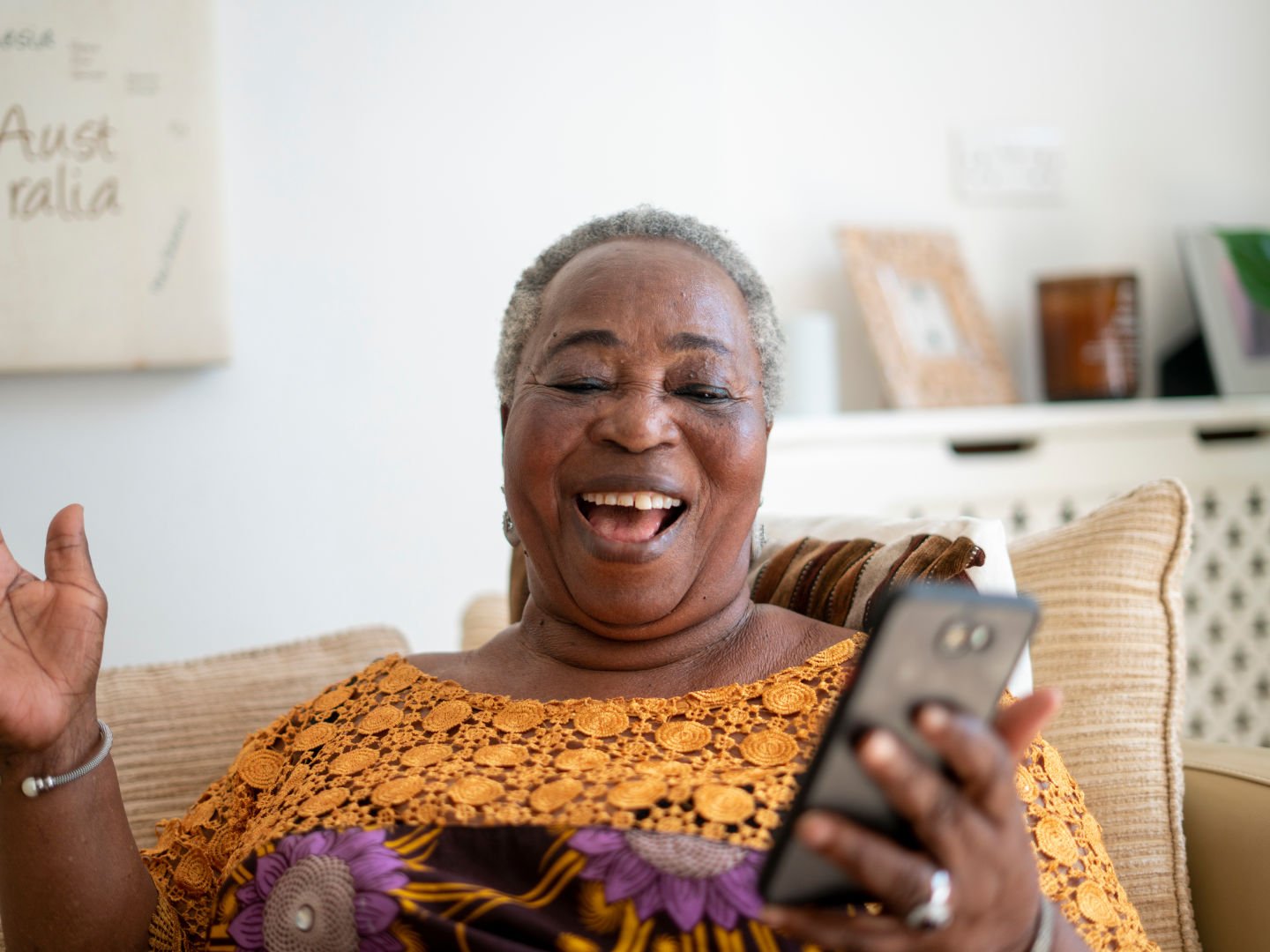
Australians of different generations may carry similar-looking smartphones, but research suggests younger and older people are using them in very different ways.
In research conducted by Pureprofile for Samsung Electronics Australia, almost 80% of respondents aged 55 and over primarily use their smartphone for calls and text messages. Among people aged 18 to 24, the corresponding figure was just 22%.
The national survey questioned 1,092 Australians aged 18 and over in September 2026. Participants were representative of the population by age, gender, and location.
Commenting on the survey, Queensland University of Technology Professor of Marketing and Consumer Behaviour, Gary Mortimer, said, “In just seven years, Australians have shifted from using smartphones primarily to call and text to relying on them as all-in-one tools for work, payments, navigation, social connection and AI-powered assistance.
“The smartphone has evolved from a communication device into a digital life hub.”
For younger users in particular, smartphones have become tools for entertainment, social media, photography, work, payments, navigation, and other everyday tasks.
Across all age groups, 53% of respondents said calls and texts were their phone’s primary use, down from 67% in 2019.
Over the same seven-year period, those who used their phone primarily for social media increased from 17% to 24%, while work and productivity use grew by almost 50%.

These figures do not mean older Australians are avoiding newer smartphone functions. Rather, they indicate that seniors are more likely to see communication as the device’s central purpose, even if they also use it for taking photographs, reading news, banking, checking maps, or accessing government services.
The poll also showed:
- 63% of respondents across all ages said photography had become a more important smartphone capability since 2019
- 60% placed greater importance on productivity functions
- 44% nominated the phone’s ability to replace items such as wallets, keys, and identification as an important innovation they had not realised they would need seven years ago.
The findings also point to a potential challenge. As businesses and governments move more services onto apps, people who mainly use their phones for calls and messages may need additional assistance to fully participate.
National Seniors Australia (NSA) is doing its bit in this area, with a variety of resources for older people who want to keep up with smartphones and other technology.
Our Technology Hub has links to our e-guides on mobile phones, computers, and social media, while our Keep Scam SAFE resources are designed to help you stay informed, confident, and protected online.
Related reading: Samsung, MediaWeek, Channel News



Thousands of Australia-wide discounts
Exclusive offers and savings across dining, shopping, gift cards, and more – all in the EAT | PLAY | SAVE app.

Members save 10% on Travel Insurance*
National Seniors members receive a 10% discount on travel insurance policies*.

Financial Information Consultant
Speak to a real person and receive up-to-date information on retirement planning, superannuation, and more!

Branches
Expand your social circle, enjoy social events, day trips, guest speakers, and meet like-minded members.

Exclusive Travel Discounts
Save on tours, cruises, and holidays with exclusive discounts on National Seniors Travel.

Our Generation Digital Magazine
Receive a yearly subscription to Our Generation Digital Magazine.

The Good Guys Commercial
Members enjoy exclusive access to The Good Guys Corporate Benefits. Save on small and large appliances as well as technology.

Advocacy & Research
Your membership directly funds our advocacy and research work fighting issues that affect you.

Competitions
Access exclusive member-only weekly competitions including books, DVDs, CDs, movie tickets and more.

Discounts
In addition to the discounts app, members can save thousands on eGift Cards and other discounted products.
*The discount applies to the total National Seniors travel insurance premium and is for National Seniors Australia members only. Discounts do not apply to the rate of GST and stamp duty or any changes you make to the policy. AGA has the discretion to withdraw or amend this discount offer at any time. This discount cannot be used in conjunction with any other promotional offer or discount.
National Seniors Australia Ltd ABN 89 050 523 003, AR 282736, is an authorised representative of AWP Australia Pty Ltd, ABN 52 097 227 177, AFSL 245631, trading as Allianz Global Assistance (AGA), and acts as AGA's agent and not as your agent. nib Travel Services (Australia) Pty Ltd (nib), ABN 81 115 932 173, AFSL 308461 acts as third party administrator on behalf of AGA, managing claims, complaints, enquiries and sales. This is general advice only. Before you buy, you should consider whether the product is appropriate for you, the Product Disclosure Statement (PDS), Financial Services Guide (FSG) and Target Market Determination (TMD) is available from us. This insurance is underwritten by Pacific International Insurance Pty Ltd, ABN 83 169 311 193, AFSL 523921.