Strategies to cope with incontinence
Lack of bladder or bowel control is common and can often be treated or managed successfully.
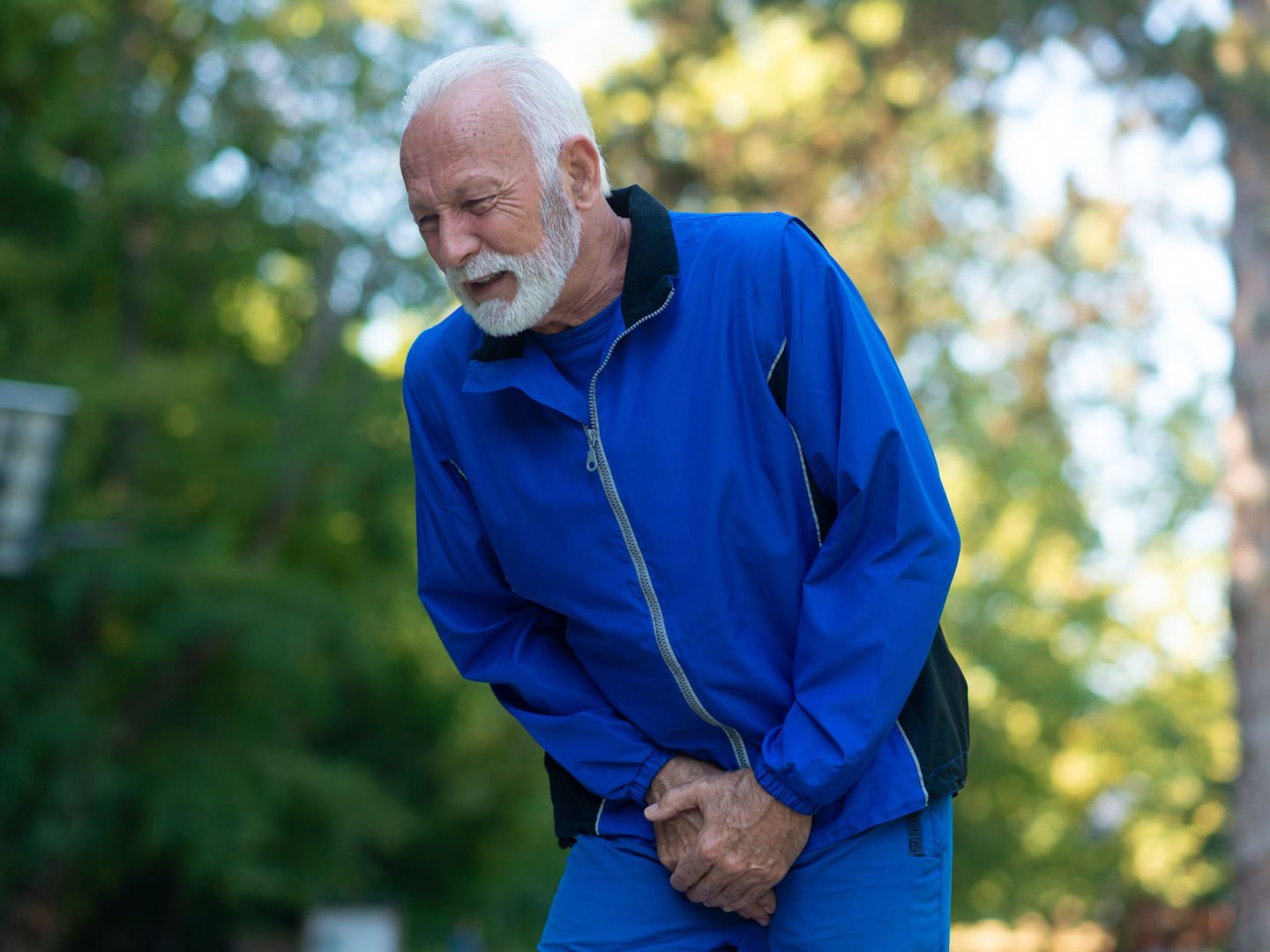
Incontinence means accidentally losing control of the bladder or bowel. It may involve a small urine leak when coughing or laughing, a sudden need to rush to the toilet, or accidental bowel soiling.
Although the likelihood increases with age, incontinence is not an inevitable or “normal” part of ageing. It is a health condition that can often be treated or managed successfully.
Many Australians experience continence difficulties. Recent estimates from Continence Health Australia indicate that more than 7.2 million Australians aged 15 and over have some form of incontinence.
Almost half of people living in residential aged care and nearly one in five people receiving home-care packages experienced incontinence in 2023.
Older people may develop incontinence for many reasons. Possible contributors include constipation, urinary tract infections, reduced mobility, menopause, prostate problems, diabetes, dementia, neurological conditions and the side effects of some medicines.
Incontinence can also occur when the muscles supporting the bladder and bowel, known as the pelvic floor, become weaker.
Because different conditions need different treatments, the first step is to speak with a GP, continence nurse specialist, or pelvic health physiotherapist.

A health professional may ask about symptoms, check current medicines, perform an examination or recommend tests.
Keeping a bladder or bowel diary for several days can help identify patterns, including how often you use the toilet, what you drink and when leakage occurs.
Treatment might include pelvic floor muscle exercises, bladder training, or changes to toilet habits. Managing constipation, eating enough fibre, staying physically active and maintaining a healthy weight can also help.
Unless a doctor advises otherwise, people should continue drinking adequate fluids, as deliberately drinking too little may cause dehydration or worsen constipation. Tea, coffee, alcohol, and fizzy drinks can aggravate urgency for some people, so individual advice is important.
Medicines or specialist treatment may be appropriate in some cases. Pads, protective underwear, and bedding products can provide extra confidence while treatment takes effect, but they should not replace a proper assessment.
Most importantly, do not let embarrassment prevent you from seeking help. For free, confidential advice, call the National Continence Helpline on 1800 33 00 66, or speak with your GP.
Related reading: Healthdirect, Continence Australia, RACGP

Disclaimer: This article is for information purposes only and should not be considered medical advice. Consult a registered healthcare professional about any health concerns or before making any changes to your medication, diet, or exercise routine.



Thousands of Australia-wide discounts
Exclusive offers and savings across dining, shopping, gift cards, and more – all in the EAT | PLAY | SAVE app.
Members save 10% on Travel Insurance*
National Seniors members receive a 10% discount on travel insurance policies*.

Financial Information Consultant
Speak to a real person and receive up-to-date information on retirement planning, superannuation, and more!

Branches
Expand your social circle, enjoy social events, day trips, guest speakers, and meet like-minded members.

Exclusive Travel Discounts
Save on tours, cruises, and holidays with exclusive discounts on National Seniors Travel.
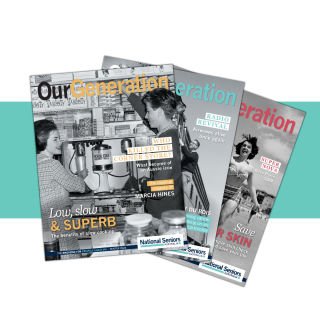
Our Generation Digital Magazine
Receive a yearly subscription to Our Generation Digital Magazine.

The Good Guys Commercial
Members enjoy exclusive access to The Good Guys Corporate Benefits. Save on small and large appliances as well as technology.
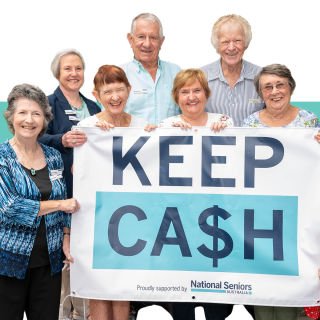
Advocacy & Research
Your membership directly funds our advocacy and research work fighting issues that affect you.

Competitions
Access exclusive member-only weekly competitions including books, DVDs, CDs, movie tickets and more.

Discounts
In addition to the discounts app, members can save thousands on eGift Cards and other discounted products.
*The discount applies to the total National Seniors travel insurance premium and is for National Seniors Australia members only. Discounts do not apply to the rate of GST and stamp duty or any changes you make to the policy. AGA has the discretion to withdraw or amend this discount offer at any time. This discount cannot be used in conjunction with any other promotional offer or discount.
National Seniors Australia Ltd ABN 89 050 523 003, AR 282736, is an authorised representative of AWP Australia Pty Ltd, ABN 52 097 227 177, AFSL 245631, trading as Allianz Global Assistance (AGA), and acts as AGA's agent and not as your agent. nib Travel Services (Australia) Pty Ltd (nib), ABN 81 115 932 173, AFSL 308461 acts as third party administrator on behalf of AGA, managing claims, complaints, enquiries and sales. This is general advice only. Before you buy, you should consider whether the product is appropriate for you, the Product Disclosure Statement (PDS), Financial Services Guide (FSG) and Target Market Determination (TMD) is available from us. This insurance is underwritten by Pacific International Insurance Pty Ltd, ABN 83 169 311 193, AFSL 523921.