Study helps unravel melanoma mystery
Australian research may help develop new skin cancer treatments.
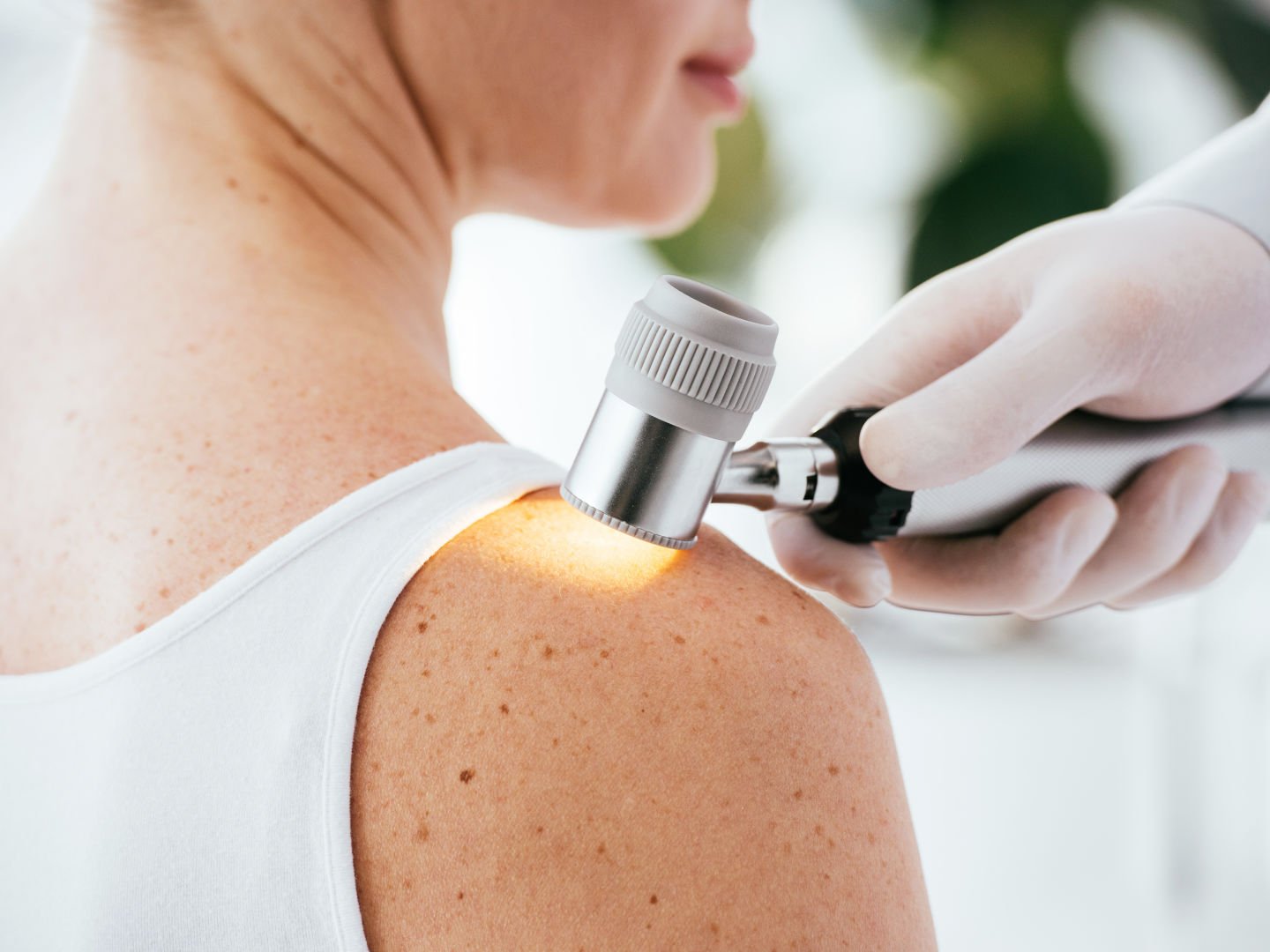
Scientists have identified hundreds of genes involved in the development of both moles and melanoma, offering new insight into the biology of the deadliest form of skin cancer and pointing to potential new prevention and treatment strategies.
The findings come from the world’s largest genetic study of “moliness” – the tendency to develop moles.
The research, conducted at QIMR Berghofer in Brisbane and published in the journal, Nature Communications, sheds light on causes of moles and melanoma beyond well‑known risk factors such as sun exposure, skin colour, and pigmentation.
Researchers analysed genetic data from more than 85,000 people of European ancestry and identified 24 new genetic regions that influence how many moles a person develops.
This represents a significant increase from five regions previously identified in a 2018 study. Importantly, all but one of these regions were also linked to melanoma risk.
Within these regions, scientists pinpointed more than 250 genes that may play a role in disease development.
Many are involved in biological pathways linked to immune function and cell growth. These include pathways that may fail to regulate abnormal cell multiplication, as well as genes previously associated with cancers such as breast, prostate, and brain cancers.
Melanoma and moles arise from the same type of pigment-producing cells, called melanocytes.

In moles, these cells grow briefly before stopping, forming a benign spot. In melanoma, however, the cells continue to divide uncontrollably. A high mole count is a major risk factor for melanoma, with about one-third of melanomas developing from existing moles.
Associate Professor Matthew Law, who leads the Genetics and Skin Cancer Lab at QIMR Berghofer, said that while public health campaigns and treatments have improved outcomes, melanoma remains a major health challenge in Australia.
“Australia still has the highest incidence of melanoma in the world, and around 1,400 people die from the disease each year,” he said.
“Immunotherapies have improved survival, but they do not work for about half of patients with advanced melanoma, so new treatment approaches are needed.”
One gene identified in the study, SIKE1, plays a role in regulating immune responses to viral infections.
Researchers believe that if this gene malfunctions, it may impair the immune system’s ability to detect and destroy abnormal melanocytes, potentially allowing melanoma to develop. This makes it a possible target for future therapies.
The study also enabled the development of a polygenic risk score to predict individuals more likely to have a high mole count.
This tool could be incorporated into melanoma screening programs to improve early detection for those at higher genetic risk.
Lead author, Shanika Jayasinghe, said the findings build on decades of skin cancer research and help explain why some individuals are more susceptible to developing moles and melanoma.
Researchers say their next steps will include analysing larger datasets to identify additional genetic factors and investigating whether existing drugs could target the newly identified pathways.

Disclaimer: This article is for information purposes only and should not be considered medical advice. Consult a registered healthcare professional about any health concerns or before making any changes to your medication, diet, or exercise routine.




Thousands of Australia-wide discounts
Exclusive offers and savings across dining, shopping, gift cards, and more – all in the EAT | PLAY | SAVE app.

Members save 10% on Travel Insurance*
National Seniors members receive a 10% discount on travel insurance policies*.

Financial Information Consultant
Speak to a real person and receive up-to-date information on retirement planning, superannuation, and more!

Branches
Expand your social circle, enjoy social events, day trips, guest speakers, and meet like-minded members.

Exclusive Travel Discounts
Save on tours, cruises, and holidays with exclusive discounts on National Seniors Travel.

Our Generation Digital Magazine
Receive a yearly subscription to Our Generation Digital Magazine.

The Good Guys Commercial
Members enjoy exclusive access to The Good Guys Corporate Benefits. Save on small and large appliances as well as technology.

Advocacy & Research
Your membership directly funds our advocacy and research work fighting issues that affect you.

Competitions
Access exclusive member-only weekly competitions including books, DVDs, CDs, movie tickets and more.

Discounts
In addition to the discounts app, members can save thousands on eGift Cards and other discounted products.
*The discount applies to the total National Seniors travel insurance premium and is for National Seniors Australia members only. Discounts do not apply to the rate of GST and stamp duty or any changes you make to the policy. AGA has the discretion to withdraw or amend this discount offer at any time. This discount cannot be used in conjunction with any other promotional offer or discount.
National Seniors Australia Ltd ABN 89 050 523 003, AR 282736, is an authorised representative of AWP Australia Pty Ltd, ABN 52 097 227 177, AFSL 245631, trading as Allianz Global Assistance (AGA), and acts as AGA's agent and not as your agent. nib Travel Services (Australia) Pty Ltd (nib), ABN 81 115 932 173, AFSL 308461 acts as third party administrator on behalf of AGA, managing claims, complaints, enquiries and sales. This is general advice only. Before you buy, you should consider whether the product is appropriate for you, the Product Disclosure Statement (PDS), Financial Services Guide (FSG) and Target Market Determination (TMD) is available from us. This insurance is underwritten by Pacific International Insurance Pty Ltd, ABN 83 169 311 193, AFSL 523921.