Understanding aspirin
This common headache remedy may also play a role in preventing serious conditions.
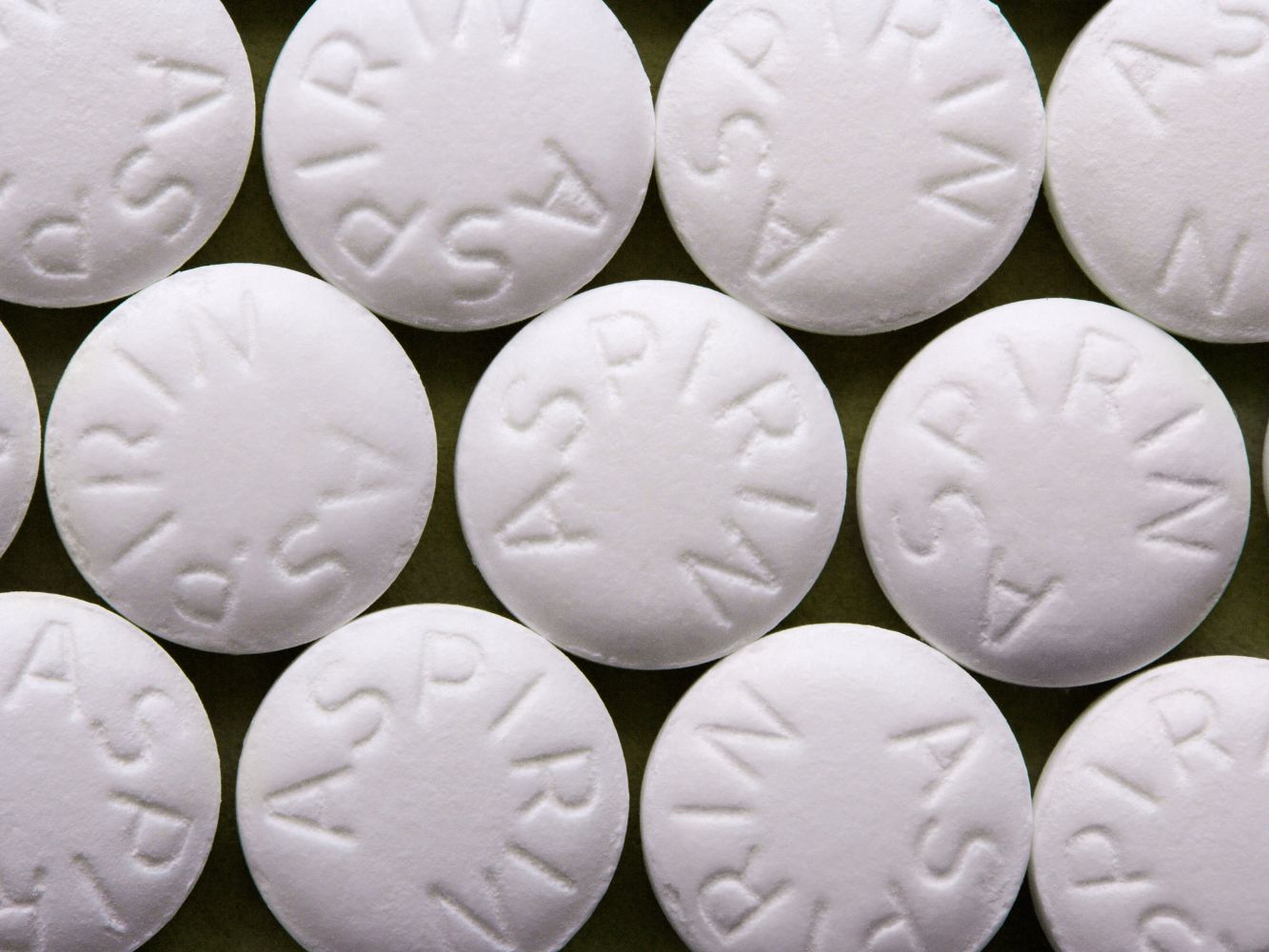
Aspirin has been used for more than a century to relieve pain, reduce fever and calm inflammation, but its medical story is far from finished.
Once seen primarily as a household remedy, this inexpensive drug is now the subject of renewed scientific interest for its potential to help prevent serious illnesses such as heart disease and some forms of cancer.
One of aspirin’s most established benefits lies in its effect on the blood. By reducing the ability of platelets to clump together, aspirin lowers the risk of dangerous blood clots forming in arteries.
This is why it is commonly prescribed in low doses to people who have already had a heart attack or stroke, where it significantly reduces the likelihood of another event.
Australian health authorities, including the Federal Government’s HealthDirect website, emphasise that this use is most effective when part of a doctor‑supervised treatment plan, as the benefits are clearest for people with existing cardiovascular disease.
In recent years, aspirin has also emerged as a promising agent in cancer research.
The BBC recently reported that scientists are uncovering how aspirin may help the body fight cancer by weakening tumour cells and allowing the immune system to detect and destroy them more effectively.

The strongest evidence to date relates to bowel cancer, particularly in people with a high genetic risk such as those with Lynch syndrome. Large studies have shown that long‑term aspirin use in this group can significantly reduce cancer incidence.
Researchers believe aspirin’s anti‑cancer effects stem from its impact on inflammation and immune signalling. By altering chemical pathways involved in both processes, aspirin may limit cancer cells’ ability to spread to other parts of the body.
These insights are already shaping new clinical trials, and experts suggest they could eventually influence how some cancers are prevented or treated alongside existing therapies.
Beyond these long‑term benefits, aspirin remains widely used for everyday conditions. It is effective for headaches, muscle pain, arthritis, and flu‑related symptoms, and its low cost makes it accessible around the world.
However, aspirin is not risk‑free. HealthDirect warns that it can irritate the stomach lining and increase the risk of ulcers or internal bleeding, particularly in older people or those with underlying health conditions.
For this reason, doctors caution against taking daily aspirin without medical advice.
While the drug’s benefits are real and increasingly impressive, they must be carefully weighed against the risks.
Related reading: BBC, HealthDirect, University of Cambridge

Image sourced from Canva, used in accordance with Canva’s Content Licensing Agreement.
Disclaimer: This article is for information purposes only and should not be considered medical advice. Consult a healthcare professional about any health concerns or before making any changes to your medication, diet, or exercise routine.




Thousands of Australia-wide discounts
Exclusive offers and savings across dining, shopping, gift cards, and more – all in the EAT | PLAY | SAVE app.

Members save 10% on Travel Insurance*
National Seniors members receive a 10% discount on travel insurance policies*.

Financial Information Consultant
Speak to a real person and receive up-to-date information on retirement planning, superannuation, and more!

Branches
Expand your social circle, enjoy social events, day trips, guest speakers, and meet like-minded members.

Exclusive Travel Discounts
Save on tours, cruises, and holidays with exclusive discounts on National Seniors Travel.

Our Generation Digital Magazine
Receive a yearly subscription to Our Generation Digital Magazine.

The Good Guys Commercial
Members enjoy exclusive access to The Good Guys Corporate Benefits. Save on small and large appliances as well as technology.

Advocacy & Research
Your membership directly funds our advocacy and research work fighting issues that affect you.

Competitions
Access exclusive member-only weekly competitions including books, DVDs, CDs, movie tickets and more.

Discounts
In addition to the discounts app, members can save thousands on eGift Cards and other discounted products.
*The discount applies to the total National Seniors travel insurance premium and is for National Seniors Australia members only. Discounts do not apply to the rate of GST and stamp duty or any changes you make to the policy. AGA has the discretion to withdraw or amend this discount offer at any time. This discount cannot be used in conjunction with any other promotional offer or discount.
National Seniors Australia Ltd ABN 89 050 523 003, AR 282736, is an authorised representative of AWP Australia Pty Ltd, ABN 52 097 227 177, AFSL 245631, trading as Allianz Global Assistance (AGA), and acts as AGA's agent and not as your agent. nib Travel Services (Australia) Pty Ltd (nib), ABN 81 115 932 173, AFSL 308461 acts as third party administrator on behalf of AGA, managing claims, complaints, enquiries and sales. This is general advice only. Before you buy, you should consider whether the product is appropriate for you, the Product Disclosure Statement (PDS), Financial Services Guide (FSG) and Target Market Determination (TMD) is available from us. This insurance is underwritten by Pacific International Insurance Pty Ltd, ABN 83 169 311 193, AFSL 523921.