NSA gains support to oppose the Private Health Insurance Rebate cuts as survey shows government underestimates impacts
Read the transcript of NSA CEO Chris Grice's speech at yesterday’s press conference, joined by Senator the Hon Anne Ruston, Rebekha Sharkie MP and Dr Monique Ryan MP.
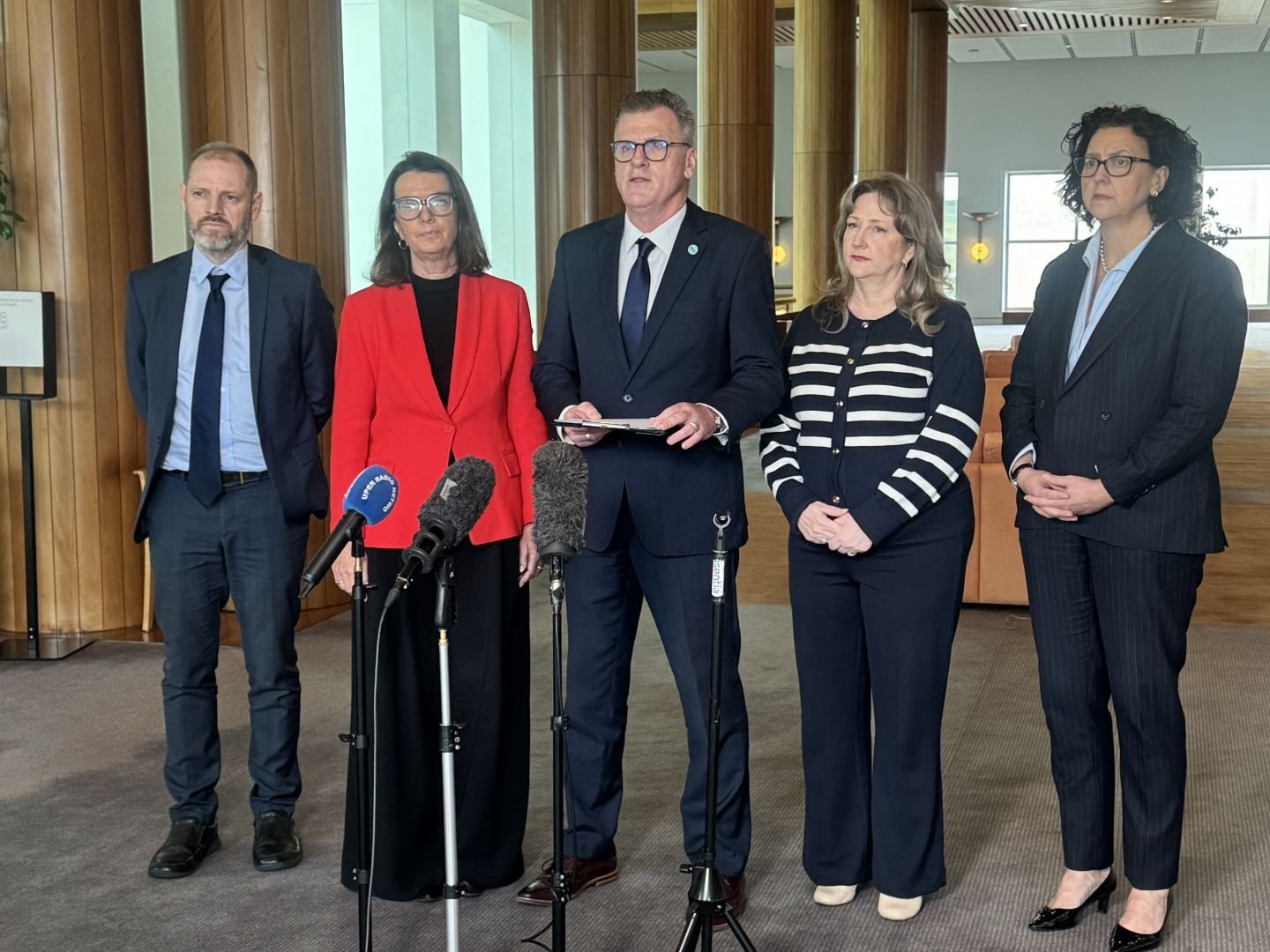
National Seniors Australia has been joined by Deputy Leader of the Opposition, Shadow Minister for Health and Aged Care Senator the Hon Anne Ruston, Independent Member for Mayo Ms Rebekha Sharkie MP, and Independent Member for Kooyong Dr Monique Ryan MP as together they call on parliamentarians to oppose the proposed Private Health Insurance Rebate cuts during a press conference at Australian Parliament House.
Chris Grice: Today, the message is about the reduction in the private health insurance rebate and our concerns, particularly about the government’s proposal to impose this on older Australians and the broader impact it will have on their health going forward.
I’d like to make a brief statement before talking to members. In Australia, there are four pillars of our health system: Medicare; the Pharmaceutical Benefits Scheme; hospitals and urgent care clinics; and private health.
This decision to reduce the private health insurance rebate for Australians aged 65 and over will put pressure on an overwhelmed public hospital system, put pressure on an overwhelmed aged care system and create even more stranded patients in our hospitals.
The government’s social experiment—a policy construct that divides the generations and compromises both the public and private health systems—has to be stopped.
Older Australians should not be forced to choose between being protected by affordable private health cover and paying for showering, dressing and continence care as part of their Support at Home package. They should be supported by the government to do both.
This morning, we have an alliance assembled at Parliament House comprising people who are incredibly passionate about this issue. They are standing up for older Australians and for an important part of Australia’s health system.
Private health insurance must be maintained. Australians aged 65 and over must be supported, and we must ensure the rebate remains. We must retain the rebate.
I’ll now hand over to Senator Ruston.
Senator Ruston: Thank you very much, Chris. I also thank National Seniors Australia, which has taken up the mantle on this incredibly important issue.
This morning, we met with the alliance—people from the private health sector, the AMA, the aged care sector and physicians. Right across the board, we met with people who represent older Australians and Australians generally.
Every one of them said that, while older Australians will be at the coalface of the damage this policy inflicts upon them, it is the broader implications across the entire health system that gravely concern this group of people.
The health system in this country is inextricably linked. Whether it is the health sector, the aged care sector, the private sector or the public sector, every one of those sectors will be affected by a bad policy decision like the one we have seen today.
As Chris said, while older Australians will bear the initial brunt of this, working Australians will eventually bear its cost because taxpayers will end up picking up the tab in our public hospitals when our private system is no longer viable.
We heard a piece of news this morning that should strike fear into the hearts of every young family in this country. It should also tell the government that its intergenerational equity argument is complete and utter rubbish. We were told there could be no private maternity services in this country within five years if this policy proceeds. That is a direct impact on young working Australians.
We are saying to the government: please listen to all of us—every person standing here today and those who were unable to be here. Every stakeholder in this community is saying that this policy will have devastating consequences for the sustainability of our health system.
Right now, we probably have one of the best health systems in the world. This policy seeks to undermine our ability to maintain that standing, and it will result in Australia slipping down the rankings. That is plainly not good enough.
The government needs to fess up to the Australian public that this is a tricky accounting measure it has put in place to make its budget bottom line look better. Australian taxpayers will foot the bill, and that bill will be far greater than the savings the government has claimed on its bottom line.
Australians should be deeply concerned about the motives of this government and that their world-class health system has been put in jeopardy by a government that considers a tricky accounting measure to be good policy for this country.
It is not. The government needs to think again.