Why your life story is easier to tell than to write
Most of us mean to put our stories down one day. The trouble usually isn't the stories. It's the writing.
Sponsored Story
Ask anyone over sixty about the house they grew up in, and you'll get a story. Ask them to write it down, and you'll often get a blank page.
That isn't a lack of memory. Talking and writing use memory differently. When we talk, one detail leads to the next: the smell of the kitchen brings back the radio that was always on, and the radio brings back the neighbour who came round to listen to the cricket.
When we write, we tend to stop and tidy up. We worry about spelling, the order of things, whether it's interesting enough. The flow stops, and so does the story.
Three things that help, whichever way you do it
- Start small and specific. "Tell me about your life" is too big. "What was your first job, and what did you spend your first pay on?" is easy, and it usually leads somewhere.
- Have someone ask. A good listener asks the follow-up question, "What happened next?", that you'd never ask yourself. That's often where the best part of the story is.
- Little and often. Twenty minutes once or twice a week beats a whole weekend set aside that never quite arrives.
Photos help too. An old photo is one of the best memory prompts there is. Pull out a shoebox of pictures and you'll find the stories come back with them: who took it, where you were, what happened just after.

Getting it down
You can record a family member asking you questions on a phone, or have a grandchild interview you over the holidays. Both work well, as long as someone then turns the recording into something the family can read.
That last step is the one LifeLoom was built for my sister, Liane, and I wanted our own parents' stories, and we knew neither of them was going to sit down and write a memoir.
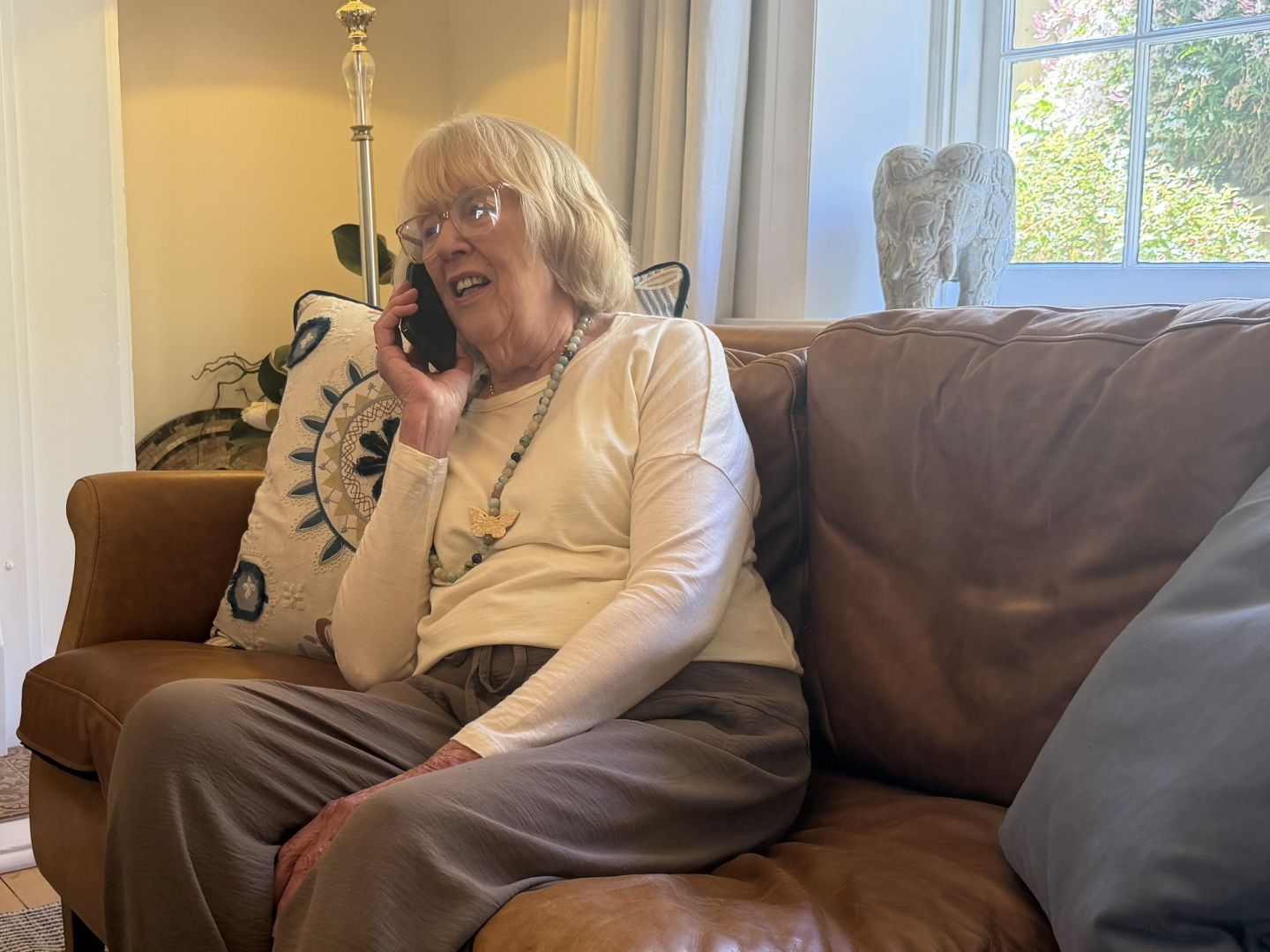
With LifeLoom, an AI biographer phones you for easy, unhurried chats about your life, at times you choose. Your biographer is AI, and says so at the start of every call. Each call is tailored to you: your biographer asks the follow-up questions, remembers your stories from earlier calls, and never rushes you. You can skip anything you'd rather not talk about.
After each call, your stories are written up in a digital memoir your family can read as it grows, and you can add your photos and change anything you like. When you've told the stories you want to tell, they become your own printed memoir: a hardcover book to keep.
"I ended the call with a smile on my face," our mum, Dot, told us after one of her first calls. "I wasn't expecting that."
There's nothing to install and nothing to learn. You just answer the phone.
LifeLoom: 20 guided phone calls, your digital memoir and a printed book, $349.
Author
Damien Healy
LifeLoom


Thousands of Australia-wide discounts
Exclusive offers and savings across dining, shopping, gift cards, and more – all in the EAT | PLAY | SAVE app.

Members save 10% on Travel Insurance*
National Seniors members receive a 10% discount on travel insurance policies*.
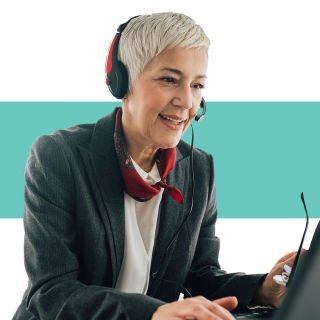
Financial Information Consultant
Speak to a real person and receive up-to-date information on retirement planning, superannuation, and more!

Branches
Expand your social circle, enjoy social events, day trips, guest speakers, and meet like-minded members.

Exclusive Travel Discounts
Save on tours, cruises, and holidays with exclusive discounts on National Seniors Travel.
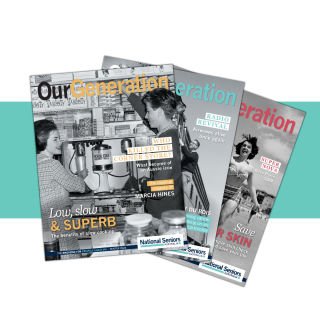
Our Generation Digital Magazine
Receive a yearly subscription to Our Generation Digital Magazine.

The Good Guys Commercial
Members enjoy exclusive access to The Good Guys Corporate Benefits. Save on small and large appliances as well as technology.
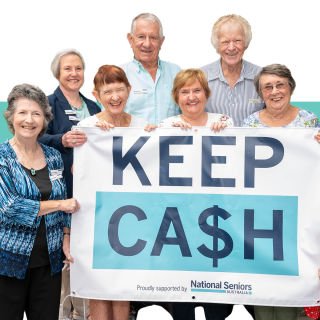
Advocacy & Research
Your membership directly funds our advocacy and research work fighting issues that affect you.

Competitions
Access exclusive member-only weekly competitions including books, DVDs, CDs, movie tickets and more.

Discounts
In addition to the discounts app, members can save thousands on eGift Cards and other discounted products.
*The discount applies to the total National Seniors travel insurance premium and is for National Seniors Australia members only. Discounts do not apply to the rate of GST and stamp duty or any changes you make to the policy. AGA has the discretion to withdraw or amend this discount offer at any time. This discount cannot be used in conjunction with any other promotional offer or discount.
National Seniors Australia Ltd ABN 89 050 523 003, AR 282736, is an authorised representative of AWP Australia Pty Ltd, ABN 52 097 227 177, AFSL 245631, trading as Allianz Global Assistance (AGA), and acts as AGA's agent and not as your agent. nib Travel Services (Australia) Pty Ltd (nib), ABN 81 115 932 173, AFSL 308461 acts as third party administrator on behalf of AGA, managing claims, complaints, enquiries and sales. This is general advice only. Before you buy, you should consider whether the product is appropriate for you, the Product Disclosure Statement (PDS), Financial Services Guide (FSG) and Target Market Determination (TMD) is available from us. This insurance is underwritten by Pacific International Insurance Pty Ltd, ABN 83 169 311 193, AFSL 523921.