Are our smoke alarms keeping up?
Older Australians are more vulnerable in house fires.
Sponsored Story
As people age, they often spend more time at home, making residential fire safety an especially important issue for older Australians, who are among the most vulnerable in a house fire emergency.
Age can significantly affect how quickly someone wakes, reacts, and evacuates during a fire. Reduced mobility, hearing loss, medical conditions, and medications can all impact response times, making early warning systems absolutely critical.
Yet, many homes still rely on outdated smoke alarms that may not provide the level of protection needed.
Firefighters respond to thousands of residential fires across Australia every year, and experts continue to warn that many homes are underprepared.
While traditional smoke alarms have been common in Australian homes for decades, research has shown they do not always effectively wake sleeping occupants, particularly vulnerable groups.
Two decades ago, research by Professor Dorothy Bruck at Victoria University revealed a concerning reality: traditional smoke alarms failed to wake 77% of sleeping children, 56% of people with hearing loss, and 62% of young adults with moderate alcohol levels. The findings also raised important concerns about older Australians, particularly those experiencing age-related hearing decline.
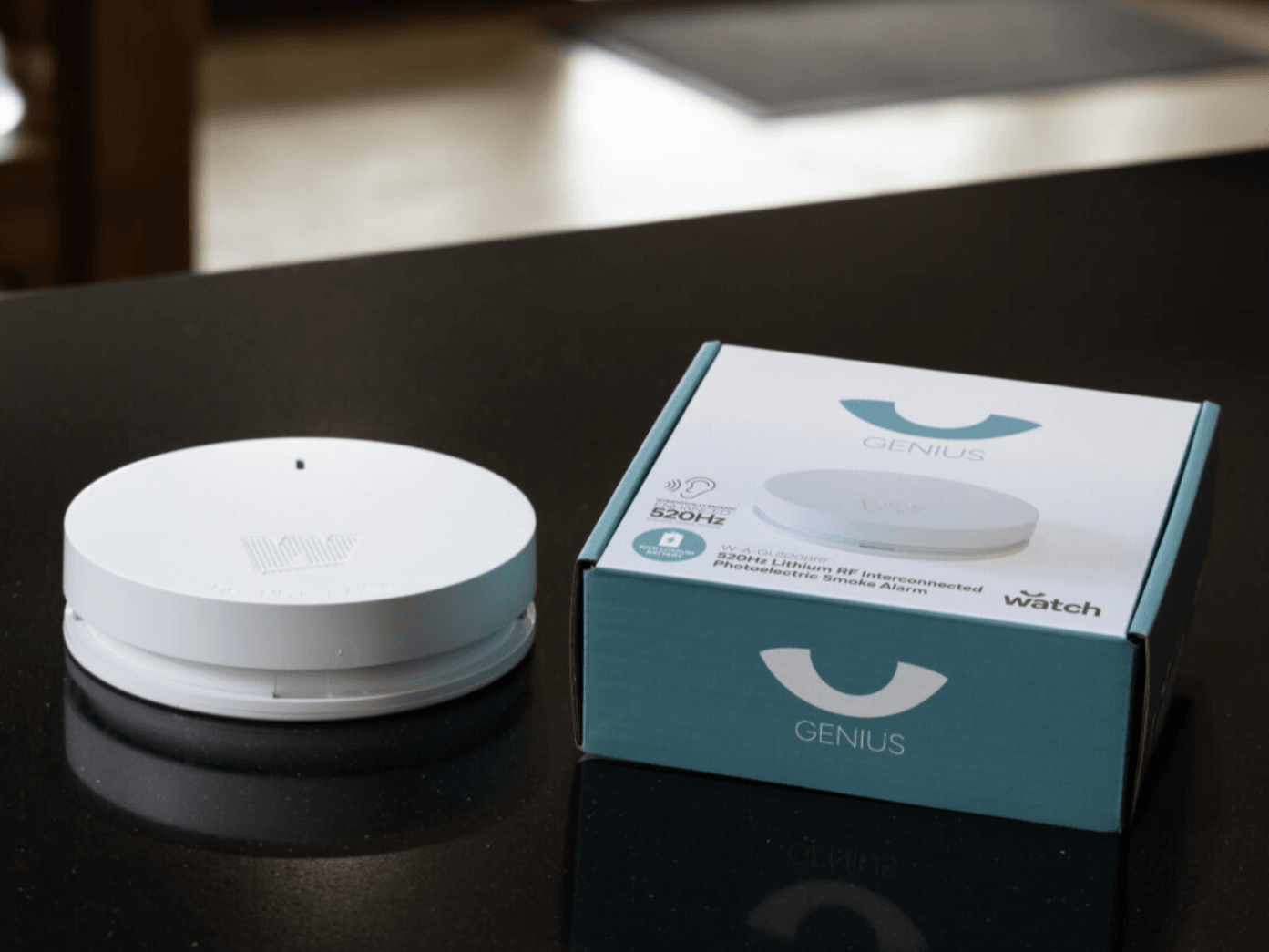
Fortunately, advances in smoke alarm technology now provide a much safer option. 520 Hz smoke alarms emit a lower-frequency square wave sound that is far more effective at waking people than the high-pitched alarms commonly found in homes. This is the same style of alarm already widely used in hotels and large accommodation buildings because of its proven ability to wake sleeping occupants.

The lower-frequency sound works differently from traditional alarms by activating multiple parts of the inner ear simultaneously, making it much harder to sleep through. For older Australians, particularly those with hearing difficulties, this technology can provide valuable extra seconds to react and evacuate safely.
Equally important is ensuring smoke alarms are interconnected throughout the home. Interconnected alarms mean that when one alarm detects smoke, every alarm in the property sounds simultaneously.
This whole-of-home warning system is especially important at night, when a fire may start in another room or on another level of the home.
Every home should ideally have interconnected photoelectric smoke alarms installed in bedrooms, hallways, living areas, and on every level of the property. Photoelectric alarms are widely recognised as more effective at detecting slow-smouldering fires, which are common in residential settings.
For older Australians living independently, smoke alarm maintenance should also become part of a regular home safety routine. Smoke alarms should be tested regularly, checked for expiry dates, and replaced when required. Many older homes still contain outdated alarms that no longer meet modern safety expectations.
Beyond smoke alarms, there are other important steps seniors can take to reduce fire risk at home. Never leave cooking unattended, avoid overloading power boards, ensure electrical appliances are in good condition, and keep exits clear and accessible.
If mobility is limited, having a fire escape plan discussed with family members or carers can also make a significant difference in an emergency.
Fire safety is not simply about compliance or ticking a box. It is about protecting lives and giving people the earliest possible warning when every second counts.
For older Australians, upgrading to interconnected photoelectric smoke alarms with 520 Hz technology could be one of the most important safety improvements made in the home.
Visit Watch Smoke Alarms or email sales@watchsmokealarms.com.au to learn how the Genius 520 Hz alarm is designed to wake sleeping occupants and improve home fire safety or call 1300 508 930 and speak to one of their customer advisors.

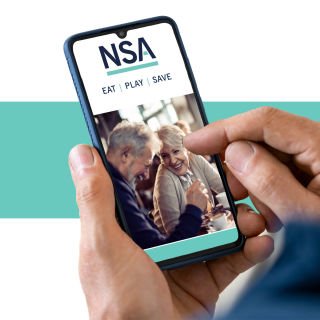
Thousands of Australia-wide discounts
Exclusive offers and savings across dining, shopping, gift cards, and more – all in the EAT | PLAY | SAVE app.

Members save 10% on Travel Insurance*
National Seniors members receive a 10% discount on travel insurance policies*.

Financial Information Consultant
Speak to a real person and receive up-to-date information on retirement planning, superannuation, and more!

Branches
Expand your social circle, enjoy social events, day trips, guest speakers, and meet like-minded members.

Exclusive Travel Discounts
Save on tours, cruises, and holidays with exclusive discounts on National Seniors Travel.

Our Generation Digital Magazine
Receive a yearly subscription to Our Generation Digital Magazine.

The Good Guys Commercial
Members enjoy exclusive access to The Good Guys Corporate Benefits. Save on small and large appliances as well as technology.
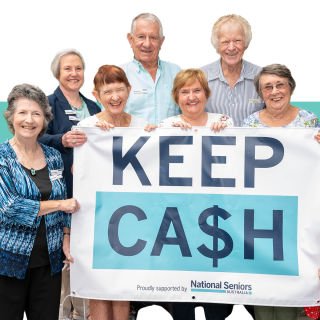
Advocacy & Research
Your membership directly funds our advocacy and research work fighting issues that affect you.

Competitions
Access exclusive member-only weekly competitions including books, DVDs, CDs, movie tickets and more.

Discounts
In addition to the discounts app, members can save thousands on eGift Cards and other discounted products.
*The discount applies to the total National Seniors travel insurance premium and is for National Seniors Australia members only. Discounts do not apply to the rate of GST and stamp duty or any changes you make to the policy. AGA has the discretion to withdraw or amend this discount offer at any time. This discount cannot be used in conjunction with any other promotional offer or discount.
National Seniors Australia Ltd ABN 89 050 523 003, AR 282736, is an authorised representative of AWP Australia Pty Ltd, ABN 52 097 227 177, AFSL 245631, trading as Allianz Global Assistance (AGA), and acts as AGA's agent and not as your agent. nib Travel Services (Australia) Pty Ltd (nib), ABN 81 115 932 173, AFSL 308461 acts as third party administrator on behalf of AGA, managing claims, complaints, enquiries and sales. This is general advice only. Before you buy, you should consider whether the product is appropriate for you, the Product Disclosure Statement (PDS), Financial Services Guide (FSG) and Target Market Determination (TMD) is available from us. This insurance is underwritten by Pacific International Insurance Pty Ltd, ABN 83 169 311 193, AFSL 523921.