Clearing up cognitive test confusion
It’s not a “pass or fail” situation or a measurement of IQ. See your doctor if you have any concerns.

When the US President, Donald Trump, recently bragged that he “aced” a cognitive test, it sparked renewed interest – and some confusion – about what that test measures, who it is for, and how much weight its results should carry.
The test Mr Trump has referred to is the Montreal Cognitive Assessment, commonly known as the MoCA.
His comments have raised broader questions that are relevant to older Australians and their families: what do cognitive screening tests really tell us, and when should they be used?
The MoCA is a short screening tool developed by a Canadian neurologist, Dr Ziad Nasreddine, to help detect mild cognitive impairment – subtle changes in thinking that are not always obvious in daily life but may indicate the risk of dementia.
It takes about 10 minutes and assesses areas such as memory, attention, language, visuospatial skills, and orientation to time and place.
Scores range from 0 to 30, with 26 or above generally considered within the normal range. Passing the test does not indicate high intelligence or exceptional mental ability – only that there is no clear sign of cognitive impairment.
This distinction is important. As Dr Nasreddine has repeatedly emphasised, the MoCA is not an IQ test and was never designed to rank people or prove mental sharpness.
It is simply a screening tool to flag whether further assessment may be useful. Many healthy older adults score full marks, while others may score lower for reasons such as anxiety, limited education, poor eyesight, hearing loss, or language background.

In Australia, cognitive screening tools such as the MoCA are used cautiously and as part of a much broader clinical assessment.
Organisations including Dementia Australia and the Royal Australian College of General Practitioners stress that no single test can diagnose dementia.
Proper assessment also considers physical health, mood (including depression), medications, daily functioning, and information from family members.
The Australian Institute of Health and Welfare notes that early cognitive changes are often missed or dismissed as “normal ageing”.
While some memory lapses can be part of getting older, persistent or worsening problems deserve medical attention. Early assessment can help people access information, make plans, and, where appropriate, receive treatment and support.
For seniors and carers, the key message is this: cognitive tests such as the MoCA can be helpful screening tools, but they are not “report cards” or pass–fail exams.
If you have concerns about memory or thinking, the best first step is a conversation with your GP, who can decide whether testing – and what kind – is appropriate for you.
Related reading: AIHW, MoCA Cognition, Independent, Dementia Australia, RACGP

Disclaimer: This article is for information purposes only and should not be considered medical advice. Consult a healthcare professional about any health concerns or before making any changes to your medication, diet, or exercise routine.


Thousands of Australia-wide discounts
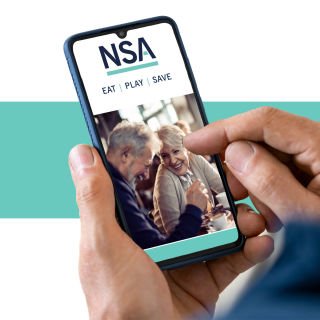
Exclusive offers and savings across dining, shopping, gift cards, and more – all in the EAT | PLAY | SAVE app.

Members save 10% on Travel Insurance*
National Seniors members receive a 10% discount on travel insurance policies*.
Financial Information Consultant
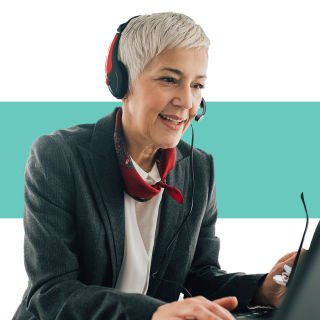
Speak to a real person and receive up-to-date information on retirement planning, superannuation, and more!
Branches
Expand your social circle, enjoy social events, day trips, guest speakers, and meet like-minded members.

Exclusive Travel Discounts
Save on tours, cruises, and holidays with exclusive discounts on National Seniors Travel.

Our Generation Digital Magazine
Receive a yearly subscription to Our Generation Digital Magazine.

The Good Guys Commercial
Members enjoy exclusive access to The Good Guys Corporate Benefits. Save on small and large appliances as well as technology.
Advocacy & Research
Your membership directly funds our advocacy and research work fighting issues that affect you.

Competitions
Access exclusive member-only weekly competitions including books, DVDs, CDs, movie tickets and more.

Discounts
In addition to the discounts app, members can save thousands on eGift Cards and other discounted products.