Good news: your cat doesn’t hate you
Despite what you’ve heard, our feline friends generally do like us and can be perfect pets.
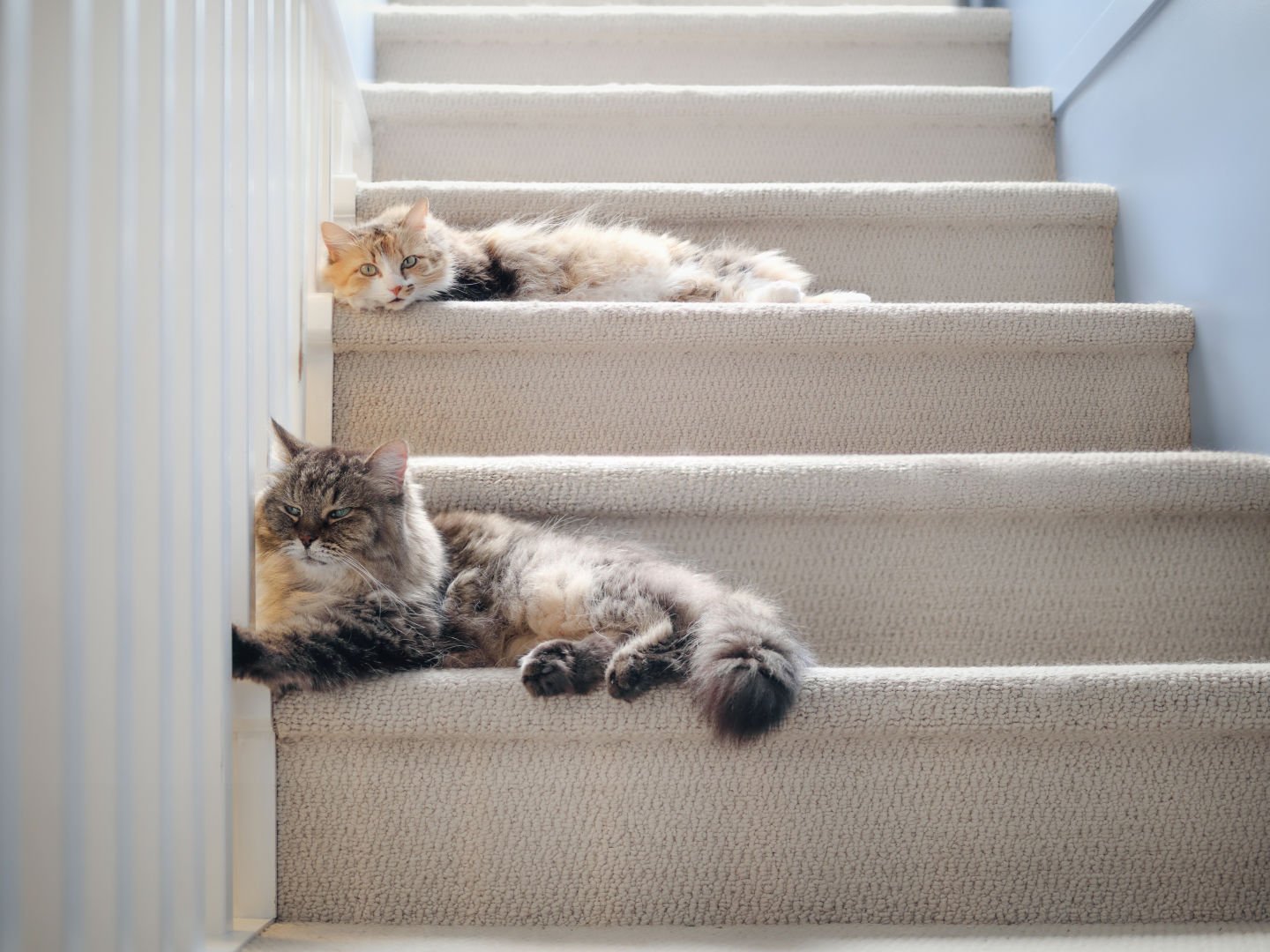
Not every person is a “cat person” – and not every cat person is crazy.
In popular culture, including some television shows, it has become fashionable to portray older people with cats as being detached from reality.
But that is wrong, for many reasons. Having a pet cat is no more unusual than having a dog, a budgie, or a fish.
In fact, more than a third of Australian households (34%) have pet cats.
One of the biggest myths about cats is that they don’t care about us; that they go about their own business oblivious to our presence or even contemptuous of our efforts to look after them.
While cats are generally more independent than dogs, research suggests they do remember us, appreciate us, and may even miss us when we’re not around.
More on that later. Let’s begin with the case for cat ownership among older Australians, particularly those living in apartments or retirement villages where larger animals may be impractical or restricted.
Compact, relatively quiet, and comfortable indoors, a cat can provide affection and companionship without needing daily walks or a large backyard to play around in.
If you live in an apartment complex or retirement community, you should check that pets are permissible and whether there are any restrictions on how they are kept or how many you can have.

You should also consider whether you can manage the ongoing costs of food, litter, vaccinations, and veterinary treatment.
The costs can be high, but the rewards can be considerable. Preventive Health SA says pets not only provide companionship, but they can reduce stress, encourage routine, and give us a valuable sense of purpose.
Even simply patting an animal can promote relaxation.
These benefits may be especially important for older people, those experiencing health difficulties, and anyone feeling socially isolated.
Cats have long been regarded as more independent than dogs. They do not need to be walked, can use a litter tray, and are often content to spend large parts of the day alone.
But that independent streak should not be mistaken for indifference.
According to veterinary experts quoted by
Owners become associated not only with affection, but also with food, safety, play, and a secure home.
A cat’s affection can be subtle. Rather than bounding to the door like an enthusiastic dog, it may greet you with an upright tail or rub against your legs.
Some cats become devoted lap companions and some like to sleep at the end of your bed, while others show loyalty by simply choosing to remain in the same room.
Their idiosyncrasies are part of the appeal. A cat may ignore an expensive toy but become fascinated by its cardboard packaging. It may demand breakfast before sunrise – perhaps by tapping you on the face to wake you up – occupy the chair you have just vacated or decide that your computer keyboard is the best place to sleep.
Each animal develops its own routines, preferences, and amusing (or frustrating) household rituals.
Cats also communicate discomfort differently from people. Hiding, hissing, flattened ears, dilated pupils, or a lashing tail do not mean a cat “hates” its owner. Experts say these behaviours are more likely to indicate fear, anxiety, or pain.
Giving the animal space, avoiding forced cuddles, and maintaining predictable feeding and play routines can help build trust. Sudden or persistent behavioural changes should be discussed with a veterinarian.
The RSPCA says cats can live happily in most homes provided their environment meets their physical and mental needs.
Scratching posts, toys, elevated resting places, hiding areas and regular play can keep an indoor cat active and stimulated.
Responsible ownership also includes microchipping, identification, desexing, and appropriate veterinary care.
For an older person seeking a companion with personality, affection, and just a touch of mystery, a well-matched adult cat could be ... wait for it ... the purr-fect housemate.





Thousands of Australia-wide discounts
Exclusive offers and savings across dining, shopping, gift cards, and more – all in the EAT | PLAY | SAVE app.

Members save 10% on Travel Insurance*
National Seniors members receive a 10% discount on travel insurance policies*.

Financial Information Consultant
Speak to a real person and receive up-to-date information on retirement planning, superannuation, and more!

Branches
Expand your social circle, enjoy social events, day trips, guest speakers, and meet like-minded members.

Exclusive Travel Discounts
Save on tours, cruises, and holidays with exclusive discounts on National Seniors Travel.

Our Generation Digital Magazine
Receive a yearly subscription to Our Generation Digital Magazine.

The Good Guys Commercial
Members enjoy exclusive access to The Good Guys Corporate Benefits. Save on small and large appliances as well as technology.

Advocacy & Research
Your membership directly funds our advocacy and research work fighting issues that affect you.

Competitions
Access exclusive member-only weekly competitions including books, DVDs, CDs, movie tickets and more.

Discounts
In addition to the discounts app, members can save thousands on eGift Cards and other discounted products.
*The discount applies to the total National Seniors travel insurance premium and is for National Seniors Australia members only. Discounts do not apply to the rate of GST and stamp duty or any changes you make to the policy. AGA has the discretion to withdraw or amend this discount offer at any time. This discount cannot be used in conjunction with any other promotional offer or discount.
National Seniors Australia Ltd ABN 89 050 523 003, AR 282736, is an authorised representative of AWP Australia Pty Ltd, ABN 52 097 227 177, AFSL 245631, trading as Allianz Global Assistance (AGA), and acts as AGA's agent and not as your agent. nib Travel Services (Australia) Pty Ltd (nib), ABN 81 115 932 173, AFSL 308461 acts as third party administrator on behalf of AGA, managing claims, complaints, enquiries and sales. This is general advice only. Before you buy, you should consider whether the product is appropriate for you, the Product Disclosure Statement (PDS), Financial Services Guide (FSG) and Target Market Determination (TMD) is available from us. This insurance is underwritten by Pacific International Insurance Pty Ltd, ABN 83 169 311 193, AFSL 523921.