Look out! It's swooping season
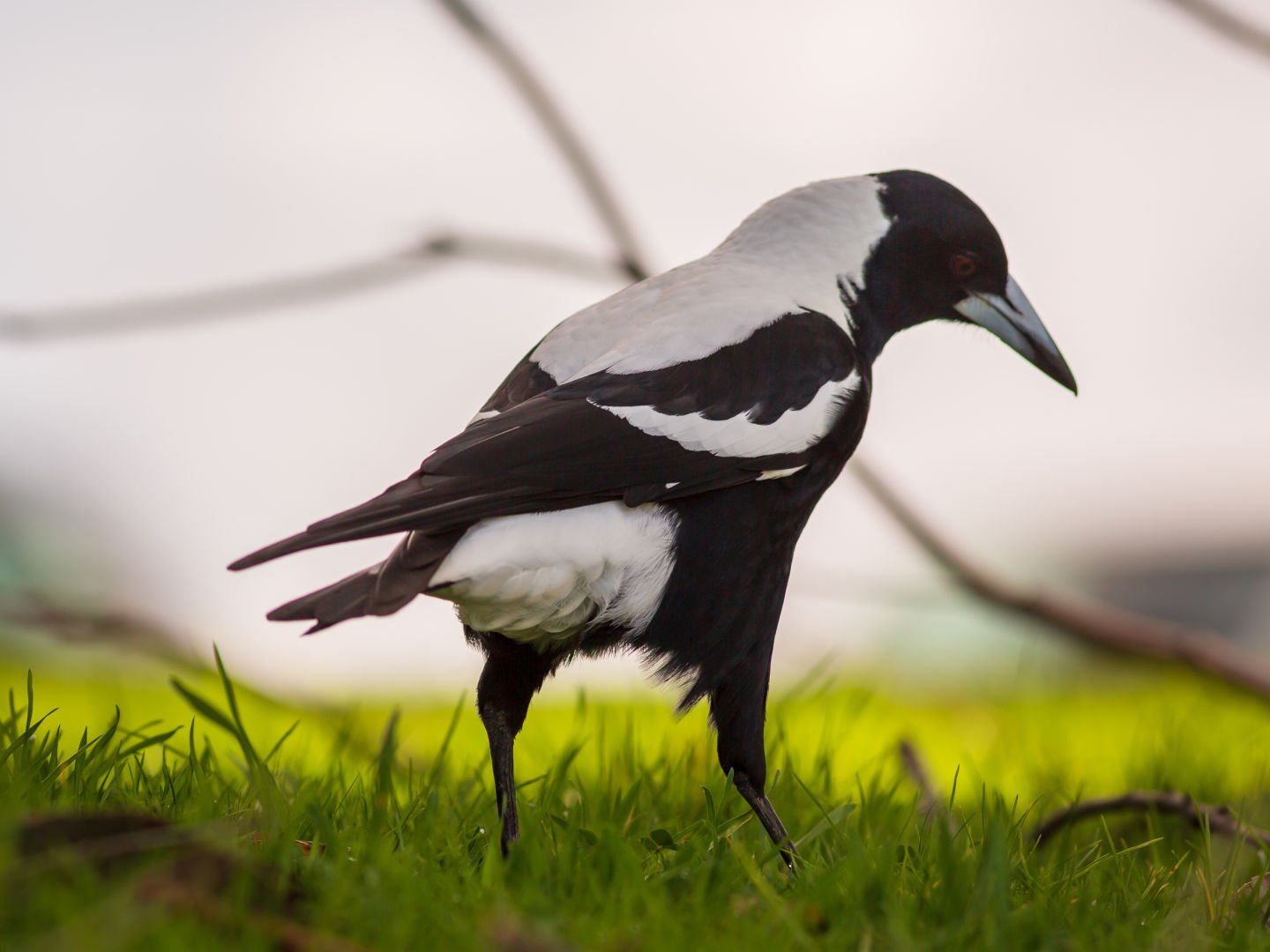
Magpies and other birds are nesting – and that means some of them switch to protective mode.
Bird flu update
As concerns about the spread of H5 bird flu rise, experts are warning Australians to keep themselves and their pets well away from dead birds.
Associate Professor Lara Herrero, a specialist in infectious diseases and virology, said transmission to humans was rare, but people in the poultry industry and wildlife carers were vulnerable.
She said human transmission is possible through close contact with airborne droplets and the bodily fluids of infected birds.
Symptoms are similar to normal influenza, but more extreme with "higher fevers, sore throat (and) bigger headaches".
If you believe you have come in contact with bird flu, seek urgent medical attention.
Click here for the latest information from the Centre for Disease Control.
Spring in Australia brings warmer mornings, blooming gardens, and, for a few weeks, the unnerving rush of flapping wings overhead.
“Swooping season” usually runs from about August to November, when magpies and some other native birds defend their nests, eggs, and chicks.
The first thing to understand is that the behaviour is protective, not malicious. The birds are simply trying to move a perceived threat away from their young.
Magpies get most of the blame, but they are not the only swoopers. Noisy miners, pied butcherbirds, magpie-larks, kookaburras, red wattlebirds, swallows, and masked lapwings can also defend nesting areas.
The good news is that most magpies do not swoop, and the risk is usually limited to a small “defence zone” around the nest, often about 100 to 200 metres.
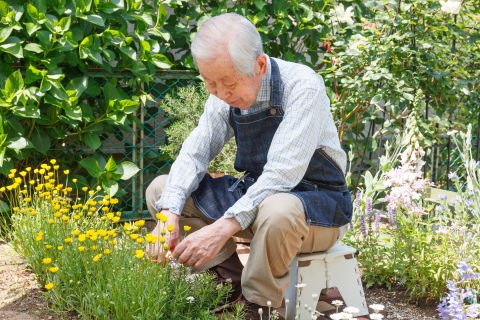
For older walkers, gardeners, and cyclists, the main danger may be not the bird itself but the fall, trip, or sudden swerve that follows a fright.
The best tactic is simple: avoid known nesting spots for a few weeks. Cross the road, choose another walking route, or check local warning signs and community reports before heading out.
If you must pass through a swooping zone, stay calm. Walk quickly but do not run, shout, wave your arms, or throw anything.

University of Queensland bird expert, Professor Bob Doneley, warns that waving a stick or trying to hit the bird may make matters worse by convincing it that you are a predator.
What you should do is protect your face and eyes. Wear sunglasses and a broad-brimmed hat, or carry an umbrella held above your head.
If a bird is swooping, keeping your eyes on it can help, as magpies are less likely to attack when watched. Walking with another person or in a group can also reduce the chance of being singled out.
Cyclists should be especially cautious because speed and movement can trigger defensive birds. If swooped, dismount and walk the bike out of the area. Helmets are essential, but the popular trick of attaching cable ties to your helmet to look like spikes does not really work.
Finally, never feed swooping birds or approach fledglings on the ground. A young bird may be under parental watch, and getting too close can make adults more defensive.
A little caution, a hat, and a temporary detour can make spring safer for us – and for our wonderful native birds.
Related reading: UQ, NSW National Parks, Birdlife Australia, Queensland Government




Thousands of Australia-wide discounts
Exclusive offers and savings across dining, shopping, gift cards, and more – all in the EAT | PLAY | SAVE app.
Members save 10% on Travel Insurance*
National Seniors members receive a 10% discount on travel insurance policies*.

Financial Information Consultant
Speak to a real person and receive up-to-date information on retirement planning, superannuation, and more!

Branches
Expand your social circle, enjoy social events, day trips, guest speakers, and meet like-minded members.

Exclusive Travel Discounts
Save on tours, cruises, and holidays with exclusive discounts on National Seniors Travel.

Our Generation Digital Magazine
Receive a yearly subscription to Our Generation Digital Magazine.

The Good Guys Commercial
Members enjoy exclusive access to The Good Guys Corporate Benefits. Save on small and large appliances as well as technology.

Advocacy & Research
Your membership directly funds our advocacy and research work fighting issues that affect you.

Competitions
Access exclusive member-only weekly competitions including books, DVDs, CDs, movie tickets and more.

Discounts
In addition to the discounts app, members can save thousands on eGift Cards and other discounted products.
*The discount applies to the total National Seniors travel insurance premium and is for National Seniors Australia members only. Discounts do not apply to the rate of GST and stamp duty or any changes you make to the policy. AGA has the discretion to withdraw or amend this discount offer at any time. This discount cannot be used in conjunction with any other promotional offer or discount.
National Seniors Australia Ltd ABN 89 050 523 003, AR 282736, is an authorised representative of AWP Australia Pty Ltd, ABN 52 097 227 177, AFSL 245631, trading as Allianz Global Assistance (AGA), and acts as AGA's agent and not as your agent. nib Travel Services (Australia) Pty Ltd (nib), ABN 81 115 932 173, AFSL 308461 acts as third party administrator on behalf of AGA, managing claims, complaints, enquiries and sales. This is general advice only. Before you buy, you should consider whether the product is appropriate for you, the Product Disclosure Statement (PDS), Financial Services Guide (FSG) and Target Market Determination (TMD) is available from us. This insurance is underwritten by Pacific International Insurance Pty Ltd, ABN 83 169 311 193, AFSL 523921.