Myth busting: women and heart disease
Men have more heart attacks, but women are more likely to die from one. It’s time to raise awareness of women’s heart health.
What to do about the warning signs
The risk of cardiovascular disease in women changes throughout life’s course.
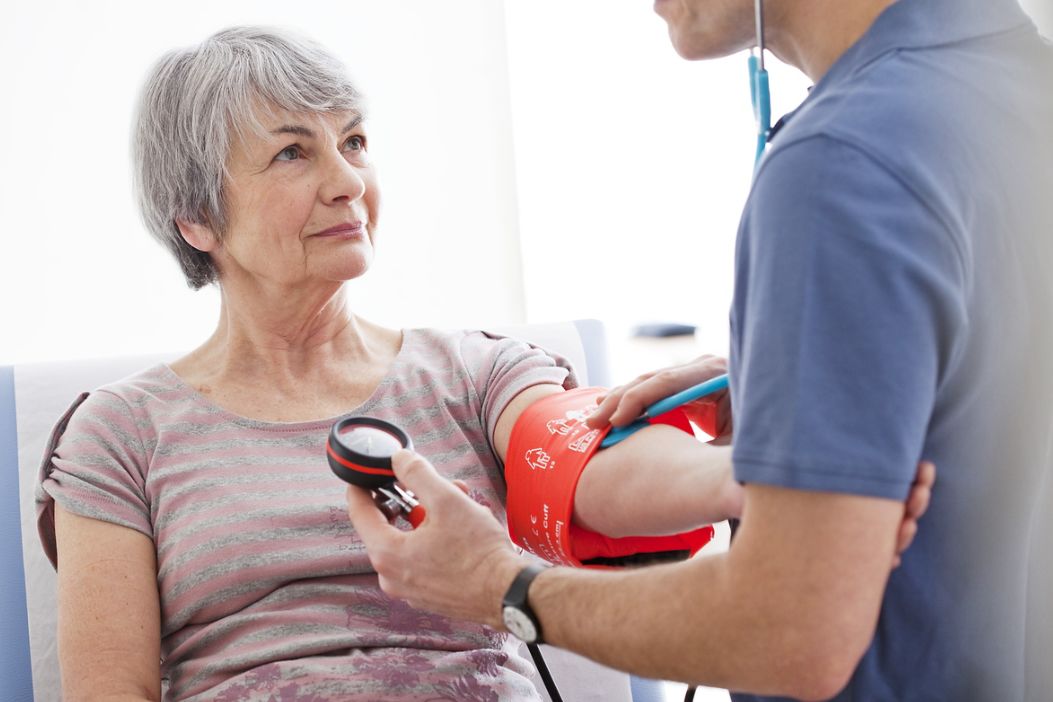
If you are a woman aged 45 and over (or 30 and over for Aboriginal and/or Torres Strait Islander women), speak to your GP about your risk of heart attack and stroke and have a Heart Health Check.
A Heart Health Check is a 20-minute check-up with your GP to work out your risk of a heart attack or stroke in the next five years.
As part of the check, which is subsidised by Medicare, your GP will discuss what you can do to manage your risk, which could include getting more physical activity or following a heart-healthy eating pattern.
If you are a healthcare professional, read the 2023 Guidelines for assessing and managing CVD risk.
Ischaemic heart disease – a condition where the heart muscle doesn't receive enough oxygen-rich blood due to narrowed or blocked coronary arteries – is the second most common cause of death in Australia, just after dementia.
Although the rates of cardiovascular disease have decreased greatly over time, it remains the cause of about a quarter of deaths.
For males and females, the key “traditional” heart disease risk factors are high cholesterol, high blood pressure, poor diet, and physical inactivity.
However, the Heart Foundation has found that women are often underdiagnosed and undertreated for heart conditions.
They are less likely to receive timely life-saving procedures such as angiograms, which can lead to a higher chance of in-hospital complications and poorer outcomes compared to men.
Women have unique risk factors and may experience different symptoms of a heart attack than men, such as breathlessness or tightness instead of classic chest pain.
Risk factors unique to women
Some examples of these are:
Premature menopause – oestrogen is cardioprotective, which means it helps to protect your heart and blood vessels. As levels of estrogen decrease during menopause, so does the protection it gives.
Early or late menarche (onset of menstruation) – how this happens isn’t known, but both have been linked to increased risk of cardiovascular diseases.
Pregnancy conditions, pre-eclampsia and gestational diabetes – these conditions cause damage to blood vessels that persists even after the baby is born.
Endometriosis – chronic inflammation from endometriosis may make the walls of blood vessels stiffer.
Polycystic ovary syndrome (PCOS) – decreased insulin sensitivity and increased triglycerides and LDL-C (“bad” cholesterol) during PCOS can impair blood vessels and make plaques more likely to build up in them.
Additionally, some of the risk factors experienced by both men and women increase the risk of cardiovascular disease disproportionately more in women. For example, the increased cardiovascular risk from smoking is 25% higher and diabetes is nearly 50% higher in women than in men.
There are also heart conditions that affect women more commonly than men, such as spontaneous coronary artery dissection. This most commonly affects women in their 40s and 50s and has symptoms similar to a heart attack. It is a medical emergency that happens when a tear forms in one of the arteries supplying the heart with blood and oxygen.
Heart attacks happen to both men and women, and when they do, the most common symptom for both sexes is chest pain. But women can also experience other, less well-known signs of a heart attack.
These include shortness of breath or difficulty breathing; jaw, shoulder, and back pain; nausea or vomiting; fatigue or tiredness; and dizziness.
If you are experiencing unusual symptoms and think you might be having a heart attack, don’t delay seeking help, call triple zero (000) right away.

Gender bias in diagnosis and treatment
Even though men have more heart attacks than women, women are more likely to die from a heart attack or develop other conditions as a result, such as heart failure or stroke.
It is partly to do with women being more likely to be discharged without diagnosis of a heart attack or misdiagnosed with a non-heart-related condition. But, even when women are diagnosed with a heart attack, they are more likely to experience delays in their treatment.
Why? Many of the tools that a doctor uses to diagnose heart conditions don’t have the features to consider the women-specific risk factors. Health professionals are also not adequately informed about the less common symptoms of heart attack reported by women.
The Heart Foundation encourages everyone to learn more about women's heart health to better support their loved ones in taking preventive action.
Related reading: Heart Foundation, AIHW 1, AIHW 2



Thousands of Australia-wide discounts
Exclusive offers and savings across dining, shopping, gift cards, and more – all in the EAT | PLAY | SAVE app.

Members save 10% on Travel Insurance*
National Seniors members receive a 10% discount on travel insurance policies*.

Financial Information Consultant
Speak to a real person and receive up-to-date information on retirement planning, superannuation, and more!

Branches
Expand your social circle, enjoy social events, day trips, guest speakers, and meet like-minded members.

Exclusive Travel Discounts
Save on tours, cruises, and holidays with exclusive discounts on National Seniors Travel.
Our Generation Digital Magazine
Receive a yearly subscription to Our Generation Digital Magazine.

The Good Guys Commercial
Members enjoy exclusive access to The Good Guys Corporate Benefits. Save on small and large appliances as well as technology.

Advocacy & Research
Your membership directly funds our advocacy and research work fighting issues that affect you.

Competitions
Access exclusive member-only weekly competitions including books, DVDs, CDs, movie tickets and more.

Discounts
In addition to the discounts app, members can save thousands on eGift Cards and other discounted products.
*The discount applies to the total National Seniors travel insurance premium and is for National Seniors Australia members only. Discounts do not apply to the rate of GST and stamp duty or any changes you make to the policy. AGA has the discretion to withdraw or amend this discount offer at any time. This discount cannot be used in conjunction with any other promotional offer or discount.
National Seniors Australia Ltd ABN 89 050 523 003, AR 282736, is an authorised representative of AWP Australia Pty Ltd, ABN 52 097 227 177, AFSL 245631, trading as Allianz Global Assistance (AGA), and acts as AGA's agent and not as your agent. nib Travel Services (Australia) Pty Ltd (nib), ABN 81 115 932 173, AFSL 308461 acts as third party administrator on behalf of AGA, managing claims, complaints, enquiries and sales. This is general advice only. Before you buy, you should consider whether the product is appropriate for you, the Product Disclosure Statement (PDS), Financial Services Guide (FSG) and Target Market Determination (TMD) is available from us. This insurance is underwritten by Pacific International Insurance Pty Ltd, ABN 83 169 311 193, AFSL 523921.