Relationships top riches
Long-running research shows you don’t have to be wealthy to enjoy life.
In 1938, as the clouds of war gathered over Europe, a group of researchers at America’s Harvard University began an ambitious project: to follow people through their entire adult lives and discover what really makes life satisfying, healthy, and meaningful.
Nearly nine decades on, the Harvard Study of Adult Development is the longest-running study of human wellbeing in history, and its lessons about ageing have become clearer, and more hopeful, with time.
The study originally followed two very different groups of young men: Harvard undergraduates and boys from some of Boston’s most disadvantaged neighbourhoods.
Over the decades, researchers tracked their physical health, work lives, marriages, friendships, and emotional wellbeing. Later, the study expanded to include spouses and more than 1,300 children and grandchildren, creating a rare multigenerational portrait of how lives unfold over time.
The most consistent finding has surprised even the researchers.
Good relationships – not wealth, status, or even genetics – are the strongest predictor of happiness and healthy ageing.
People who felt satisfied in their close relationships in midlife were healthier and happier in old age, with lower rates of chronic illness and longer life expectancy.

Loneliness, by contrast, proved to be as damaging to health as smoking or obesity.
Another important lesson is that life is not fixed early on. Childhood disadvantage did not doom participants to poor outcomes, nor did early success guarantee lifelong wellbeing.
Many people changed course, sometimes dramatically, well into midlife and beyond. Careers shifted, relationships healed or changed, and personal growth remained possible even in the later decades of life.
Ageing, the study shows, is not simply about physical decline. Those who stayed emotionally connected, maintained a sense of purpose, and adapted to change fared far better than those who withdrew or became socially isolated.
Taking care of relationships turned out to be just as important as taking care of the body – a message that resonates strongly in later life.
Now, the study has entered an important second major phase, focusing on the children and grandchildren of the original participants.
This newer stage reflects a more diverse and modern world, examining how factors such as women’s life experiences, work‑life balance, technology, social change, and even the COVID‑19 pandemic shape wellbeing across generations.
Researchers are also using new tools, such as brain imaging and genetic markers, to understand how social connections “get under the skin” to influence ageing.
The goal is not simply to add years to our lives, but life to our years.
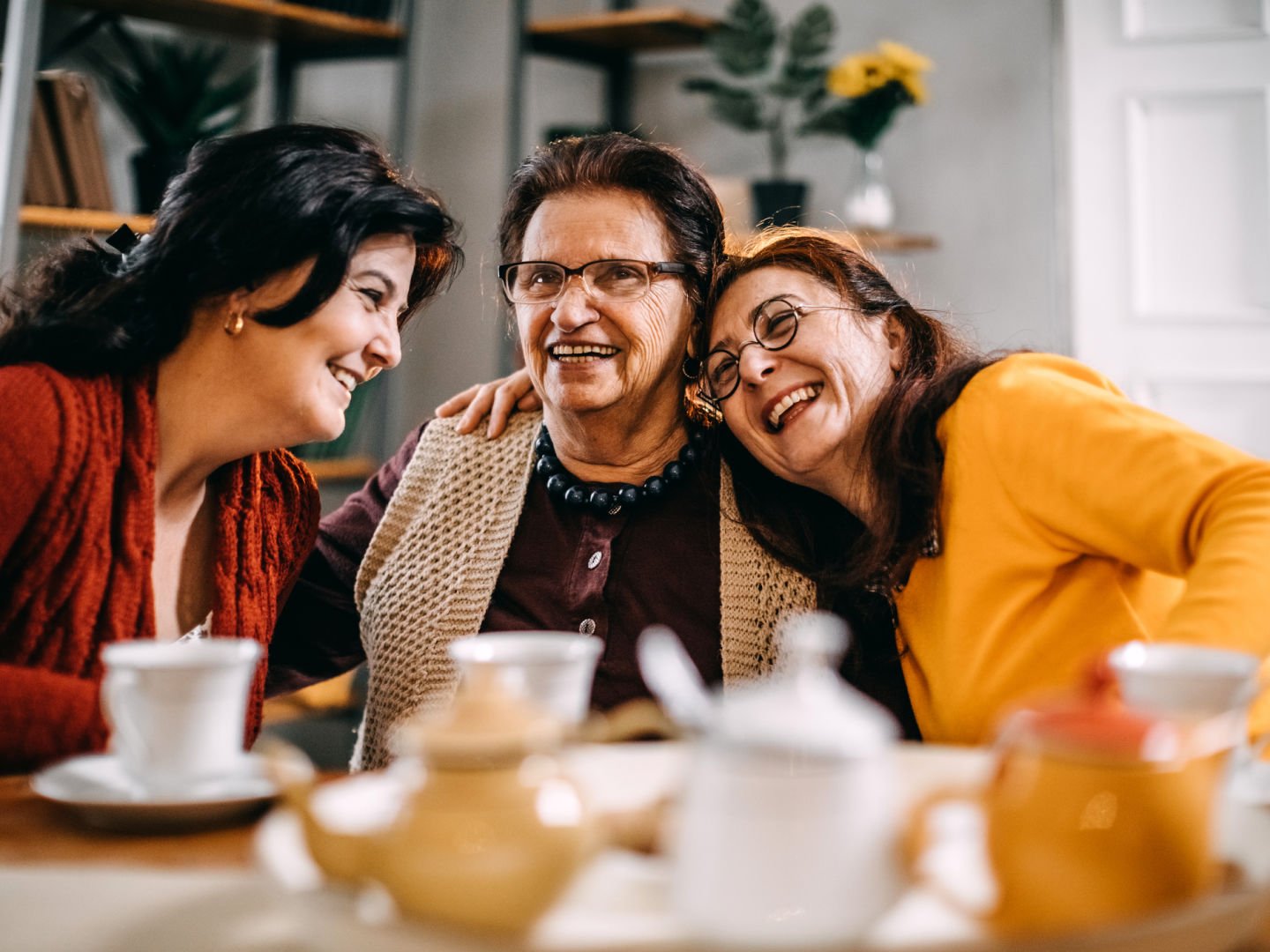
For older people, the message from nearly 90 years of evidence is both comforting and empowering: it is never too late to invest in relationships, reconnect with others, or reshape the story of your later years.
A good life is less about what we accumulate and more about who we share it with.
Related reading: Harvard News, Robert Waldinger, Lifespan Research




Thousands of Australia-wide discounts
Exclusive offers and savings across dining, shopping, gift cards, and more – all in the EAT | PLAY | SAVE app.

Members save 10% on Travel Insurance*
National Seniors members receive a 10% discount on travel insurance policies*.

Financial Information Consultant
Speak to a real person and receive up-to-date information on retirement planning, superannuation, and more!
Branches
Expand your social circle, enjoy social events, day trips, guest speakers, and meet like-minded members.

Exclusive Travel Discounts
Save on tours, cruises, and holidays with exclusive discounts on National Seniors Travel.
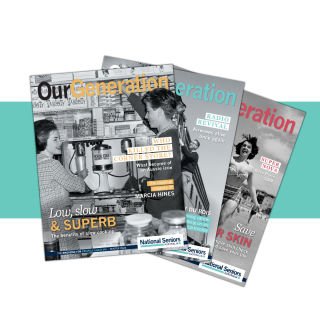
Our Generation Digital Magazine
Receive a yearly subscription to Our Generation Digital Magazine.

The Good Guys Commercial
Members enjoy exclusive access to The Good Guys Corporate Benefits. Save on small and large appliances as well as technology.
Advocacy & Research
Your membership directly funds our advocacy and research work fighting issues that affect you.

Competitions
Access exclusive member-only weekly competitions including books, DVDs, CDs, movie tickets and more.

Discounts
In addition to the discounts app, members can save thousands on eGift Cards and other discounted products.