Halloween: imported fad or harmless fun?
This spooky celebration is getting bigger each year, but participation is not compulsory.
'Appy days are here
If you do decide to opt-in to the retail or celebratory aspects of Halloween, the NSA EAT | PLAY | SAVE Discounts App may be able to help you secure a bargain.
You can find details of the app and how to use it here.
Some older Australians regard it as an overly commercial American import, but Halloween is increasingly being celebrated in our suburbs and shopping centres.
On 31 October, children dressed as ghosts, witches, and superheroes wander from door to door, while homes display pumpkins, skeletons, and balloons.
And a lot of us are wondering how we should deal with it.
First: where did Halloween come from, and does it really belong in Australia?
Halloween did not begin in the United States, although it is extremely popular there. Its history is complex, combining pagan customs with Christian observances.
Some traditions have been linked to Samhain, an ancient Celtic festival associated with the end of the harvest and the beginning of winter in Ireland. Bonfires were lit and disguises worn, partly in response to beliefs about spirits being active at that time of year.
Christianity added another layer. All Hallows’ Day was designated as a time for honouring the saints. The preceding evening was All Hallows’ Eve, which was eventually shortened to Halloween.
Customs carried by Irish and Scottish migrants later flourished in North America. Early lanterns were carved from vegetables such as turnips, but pumpkins proved more plentiful and easier to carve.
"Guising", in which costumed children visited houses and performed in exchange for food, helped inspire modern trick-or-treating.

In America, Halloween transformed into the highly visible celebration now familiar from films and television: decorated houses, mass-produced costumes, parties, haunted attractions, and enormous quantities of confectionery.
In the US and Canada, Halloween is largely a secular community festival centred on children, costumes, and treats. In Ireland and Scotland, modern celebrations coexist with an awareness of the festival’s Celtic and folk heritage.
It should not be confused with Mexico’s Día de los Muertos, or Day of the Dead, on 2 November. Although the dates are close and both involve thoughts of the departed, the Mexican festival is a distinct tradition combining Indigenous and Catholic influences.
Elsewhere, Halloween has frequently been adopted as a costume or entertainment event rather than a religious occasion. That adaptability helps explain its international appeal.
While we might dismiss Halloween as a recent American invasion, celebrations have taken place in Australia for a long time.
Irish and Scottish migrants brought their customs to colonial Australia, and historical records indicate Halloween events were being held in Victoria during the 1850s.
What is new is its visibility. In some Australian neighbourhoods, participating households place orange balloons or decorations on their letterboxes. Trick-or-treating often begins in daylight, reflecting both our longer spring evenings and a desire to make the activity safer and more social.
Evidence suggests Halloween is no longer confined to young families. Research released by the Australian Retailers Association and Roy Morgan in the lead-up to Halloween 2025 estimated that more than one in five adult Australians would participate.
It also reported participation of 21% among people aged over 65.
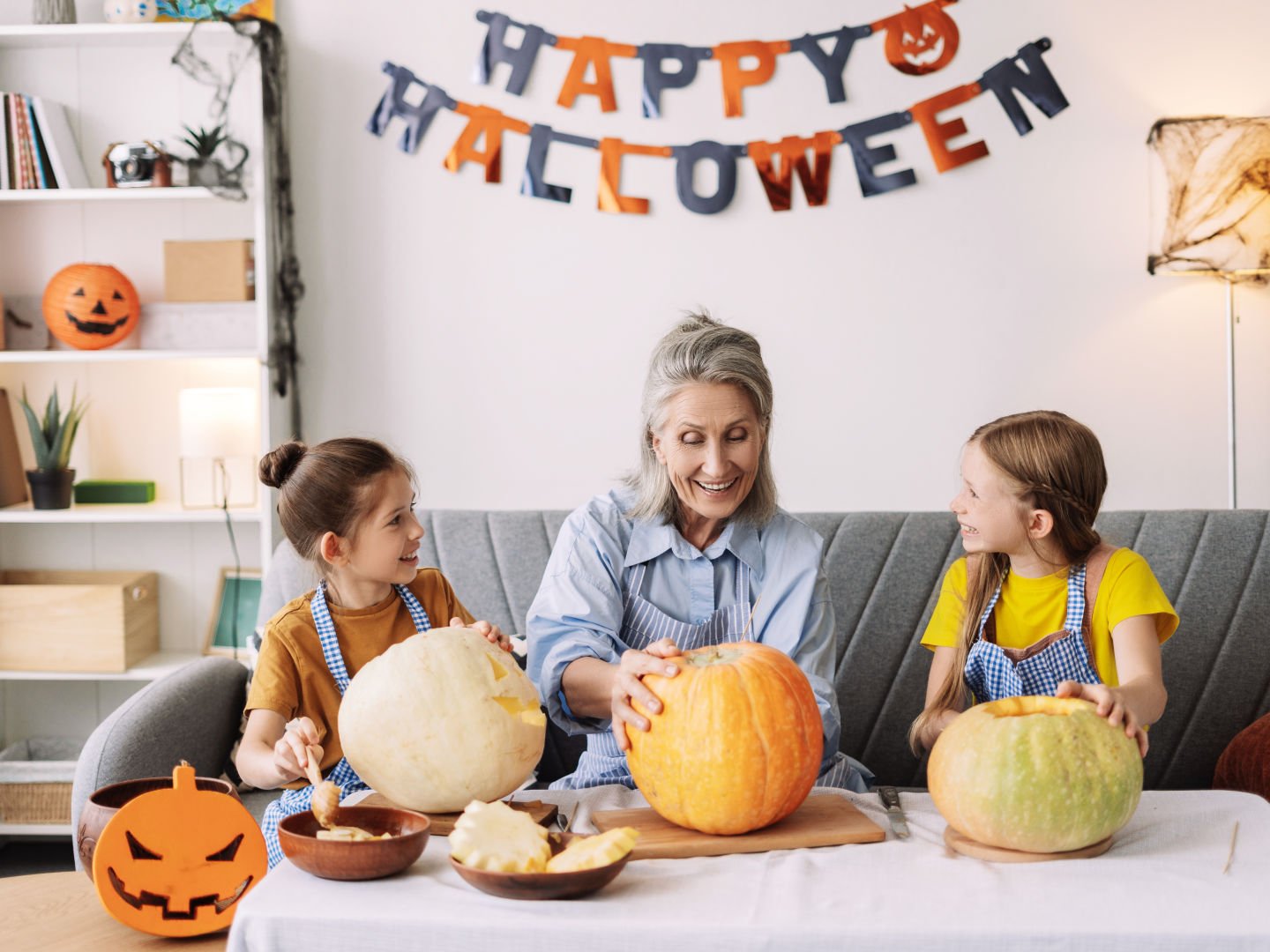
While some observe the religious side of Halloween, for most Australian families it's about dressing as a pirate, carving a pumpkin, or giving a child some lollies.
However, the charge of commercialism is hard to dismiss. Australians reportedly spent about $500 million on costumes, decorations, treats, and parties for Halloween 2025.
Retailers clearly have an interest in encouraging another shopping occasion, and mountains of disposable plastic decorations can make the event feel wasteful.
That does not mean enjoyment has to come with a large price tag. Homemade costumes, reusable decorations, and a shared afternoon tea can place the emphasis on creativity and community spirit.
Halloween may have come from the northern hemisphere, where 31 October marks the approach of winter, but Australians are giving it local characteristics.
Nobody should feel compelled to celebrate. Children should visit only houses that clearly welcome trick-or-treaters, remain with a responsible adult, and respect anyone who chooses not to participate.
If you want to take part, it can be a lot of fun – and an opportunity to connect with other people, including young families, in your neighbourhood.
If there are children around where you live, it might be a nice idea to have a few treats on standby in case they come knocking on your door. Hopefully, you'll be given some warning by their parents – and the opportunity to politely decline to take part.
Related reading: Britannica, Australian Retail Council, University of Sydney, Halloween Australia


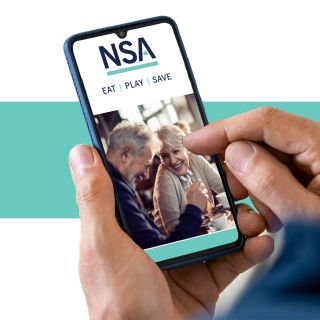
Thousands of Australia-wide discounts
Exclusive offers and savings across dining, shopping, gift cards, and more – all in the EAT | PLAY | SAVE app.
Members save 10% on Travel Insurance*
National Seniors members receive a 10% discount on travel insurance policies*.
Financial Information Consultant
Speak to a real person and receive up-to-date information on retirement planning, superannuation, and more!
Branches
Expand your social circle, enjoy social events, day trips, guest speakers, and meet like-minded members.
Exclusive Travel Discounts
Save on tours, cruises, and holidays with exclusive discounts on National Seniors Travel.
Our Generation Digital Magazine
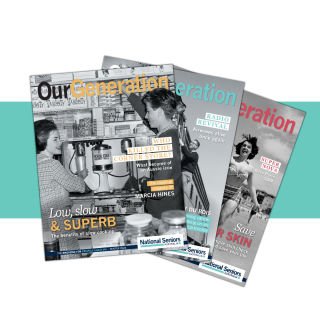
Receive a yearly subscription to Our Generation Digital Magazine.

The Good Guys Commercial
Members enjoy exclusive access to The Good Guys Corporate Benefits. Save on small and large appliances as well as technology.
Advocacy & Research
Your membership directly funds our advocacy and research work fighting issues that affect you.

Competitions
Access exclusive member-only weekly competitions including books, DVDs, CDs, movie tickets and more.

Discounts
In addition to the discounts app, members can save thousands on eGift Cards and other discounted products.
*The discount applies to the total National Seniors travel insurance premium and is for National Seniors Australia members only. Discounts do not apply to the rate of GST and stamp duty or any changes you make to the policy. AGA has the discretion to withdraw or amend this discount offer at any time. This discount cannot be used in conjunction with any other promotional offer or discount.
National Seniors Australia Ltd ABN 89 050 523 003, AR 282736, is an authorised representative of AWP Australia Pty Ltd, ABN 52 097 227 177, AFSL 245631, trading as Allianz Global Assistance (AGA), and acts as AGA's agent and not as your agent. nib Travel Services (Australia) Pty Ltd (nib), ABN 81 115 932 173, AFSL 308461 acts as third party administrator on behalf of AGA, managing claims, complaints, enquiries and sales. This is general advice only. Before you buy, you should consider whether the product is appropriate for you, the Product Disclosure Statement (PDS), Financial Services Guide (FSG) and Target Market Determination (TMD) is available from us. This insurance is underwritten by Pacific International Insurance Pty Ltd, ABN 83 169 311 193, AFSL 523921.