What is an influencer?
An estimated 60 million social media stars are proving there’s a tidal shift in how we’re being influenced to consume information, advice, and entertainment—whether we know it or not.
By Meghan Fallis
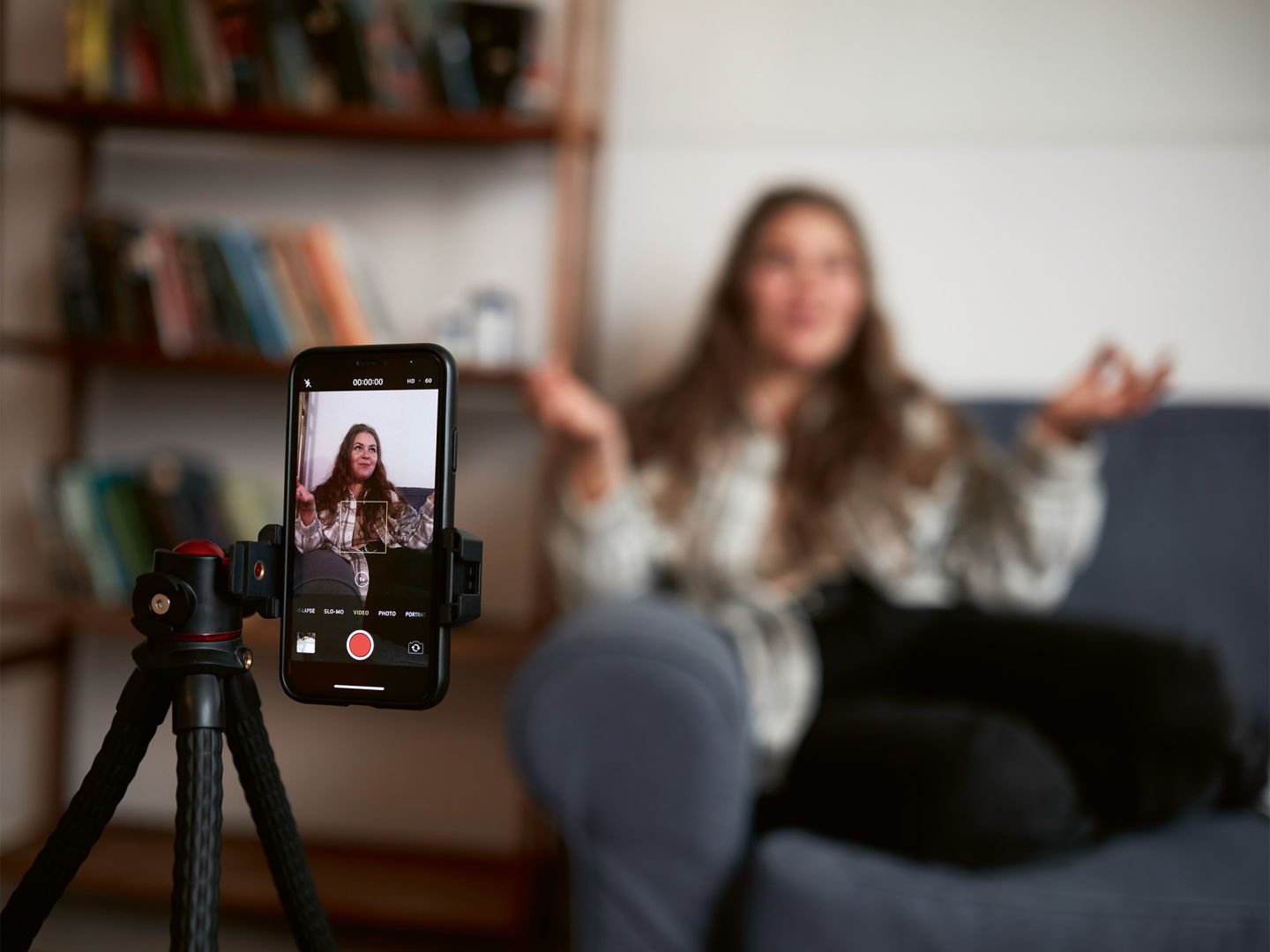
Content creators, brand ambassadors, attention seekers—call them what you will, influencers have cemented their positions in all corners of the Internet.
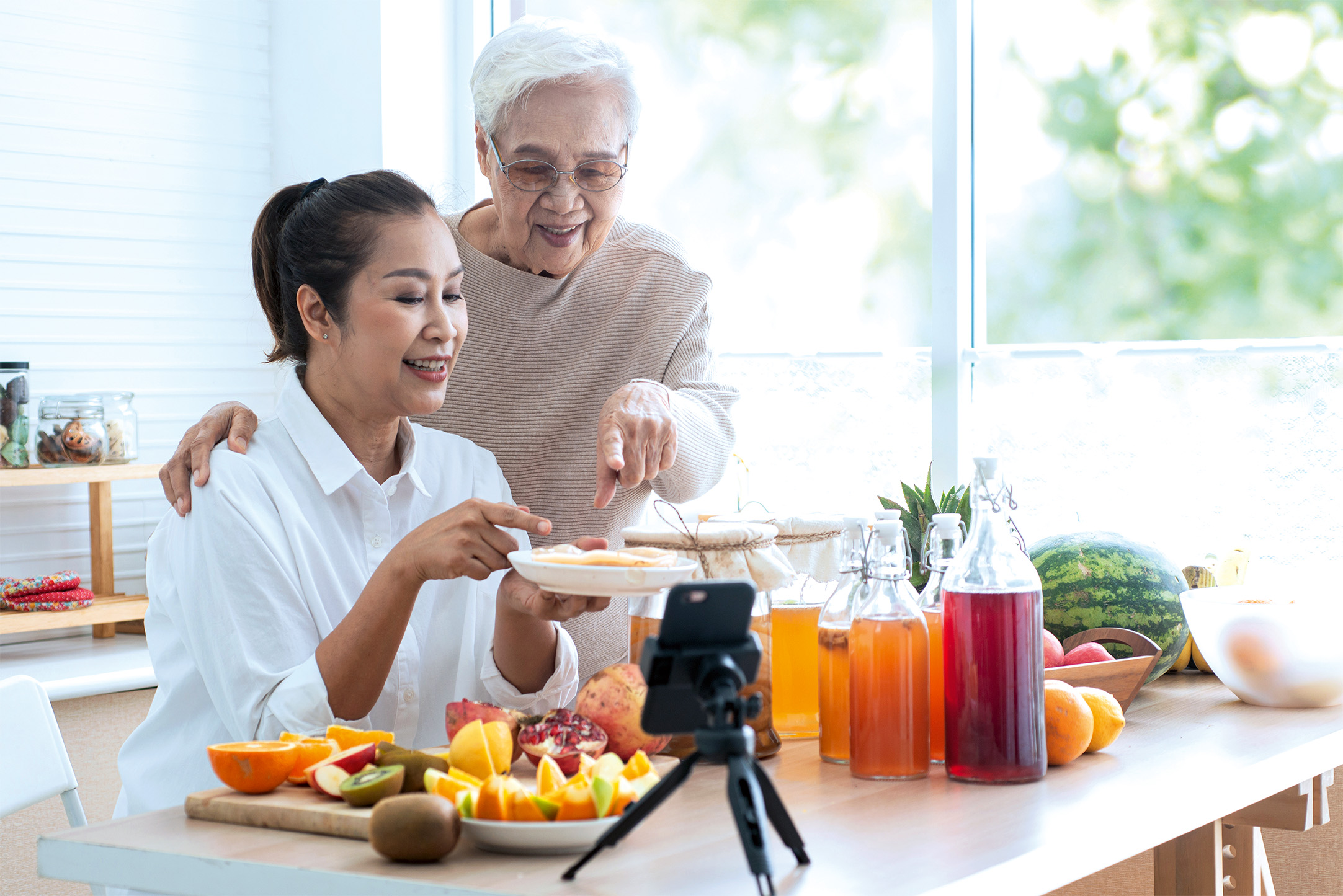
The Oxford Dictionary defines ‘influencer’ as a person who has become well known through regular social media posts and is able to promote a product or service by recommending or using it online.
Swiss influencer agency Kingfluencers describes influencers similarly: “Anyone with a sizable audience on social media who is trusted for their expertise, or even just liked for entertainment value.”
“An influencer is someone who thinks they’re important enough that people want to listen to what they have to say,” is how my father responded when asked for his interpretation.
With one in four of Australia’s 15.2 million Instagram users claiming to be an influencer, if you’re not one, it’s likely you’ve come across one, either in person or online. It’s also likely my dad will have to tweak his definition if he wants to stay out of trouble.
The reason that number sounds higher than what you might expect is because technically, the term ‘influencer’ applies to accounts with greater than 1,000 followers. Of course, influencers’ abilities to reach audiences is generally determined by their number of followers, so it’s the goal of many to grow their personal brands and monetise their content.
Some influencers are so successful that their main source of income comes from creating content. Aussie comedy duo, Matt Ford and Jack Steele, began posting funny short videos under the handle ‘The Inspired Unemployed’ when the pandemic forced them to stop working their jobs as plasterers. Today, their Instagram account has a whopping 2.4 million followers, and the pair’s comedy focus has expanded to include promotional content for their podcast, alcohol brand, travel company, and multiple television shows.

Influencer marketing is an advertising strategy that has emerged in recent years, where brands partner with social media personalities (influencers) and leverage their large audiences to advertise products or services.
Ad spending in the Australian influencer advertising market was estimated to be worth $929 million in 2025, and it is expected to reach $1.26 billion by 2028, according to figures from Sprout Social research.
Unlike traditional celebrity product endorsements which prioritise audience size rather than type, influencer marketing works in specific industries, niches, or online communities. It’s often a more affordable marketing tactic for advertisers, and it’s beneficial for consumers as they can easily access specialised or unique products for their hobbies and interests.
Kyla is a 23-year-old TikTok influencer with just over 2,000 followers. She had had an account for years before her follower count grew in late 2024.
“I first started posting on TikTok consistently when I was travelling Australia. I was documenting my trip and posting travel content, mostly for myself, but lots of people began to follow along and enjoy it,” Kyla said.
Her content evolved to include day‑in‑the‑life vlogs and shopping hauls where she’d review clothes and products she’d purchased. Soon, brands reached out to gift her free products ranging from protein powder to sportswear.
In 2025, Kyla posted a TikTok video reviewing a pair of fun scrubs she’d purchased for her day job as a registered nurse. The video gained a lot of traction, so she decided to reach out to the scrubs company for a collaboration, where she would act as an ambassador for the brand.
“I now have an ongoing partnership with the scrubs company which I am able to make money off. I have an affiliate link where I provide a discount code to my followers and when they use it to make a purchase, I get a commission,” Kyla says.
“Most brands will encourage influencers to reach out and contact them if they’re looking for new creators to make content for them.
“It’s important to build a sense of trust between brands and yourself to show that you’ll create good videos for them and attract buyers.”
Kyla says when she was 10, she documented her family’s camping trip on her mum’s old iPod and has loved making videos ever since. While TikTok remains a hobby for Kyla now, she has dreams of one day cementing her place in the social media world.
“I think to really grow as a creator, you need to have a niche and show up consistently and provide a quality message for people. You need to provide almost like a service for them to come back and check on you and keep up‑to‑date,” she says.
Kyla falls into the ‘nano‑influencer’ category which comprises accounts with fewer than 10,000 followers. The next rung on the influencer ladder is ‘micro‑influencers’ (10 to 100,000 followers), followed by ‘macro‑influencers’ (100,000 to 1 million followers), and finally ‘mega‑influencers’ (greater than 1 million followers).
Australian brand MCoBeauty targets a precise consumer group by using beauty influencers to promote their cosmetic products. Successful influencers’ audiences perceive their content as genuine and less commercial, which results in more sales.
Think before you click
Influencers are a great resource for free tips and tricks across nearly endless subject matters, but there’s some things to be weary of too. Here’s what to consider before accepting advice from an influencer online:
- Is there any way of fact-checking this information? Can other people or resources confirm this information to be true?
- Does this influencer have anything to gain from promoting this content? Do I know if they’re getting paid to recommend this product or service?
- If I’m purchasing a product, am I paying for it through a secure website? Is there a chance I’m being scammed?
Creative marketing strategist, Stella Teys, says influencer marketing is so effective because of the unique, one‑sided bonds regular people develop with their favourite influencers—these are called parasocial relationships.
“Parasocial relationships occur when somebody follows an influencer and they watch their content frequently enough that they actually feel like they are friends with the person … and that’s why influencers can sell products so well,” Stella says.
“For example, you have an influencer that you’ve followed for years. They say, ‘I’ve been sent this by a brand, and this isn't an ad, but I have to tell you about this product.’ Obviously, brands have to promote their things, whereas influencers have a choice.
“And that’s why they’re called influencers—because they can psychologically influence your mind.”
Stella says when done effectively, products endorsed by influencers feel more like a friend’s recommendation than direct advertising. She says that the rise of artificial intelligence (AI) has resulted in potential consumers relying on influencers for honest and trustworthy product reviews or advice.
“Brands are not perceived as trustworthy anymore because of AI … Anyone can start a Shopify store and just get AI to write everything and drop ship its products,” Stella says.
“Consider digital advertising … Even if you set really narrow parameters on an ad, you’re never going to be able to target the exact audience that’s interested in your niche as well as influencers can do because they are so in the niche, and people follow them for that specific niche and they trust that influencer’s opinion.
“That’s why some brands pay so much for an influencer video … some pay upwards of $50,000 to do one video.”
With a reported 46% of Australians saying they’ve purchased an item after seeing an influencer promote it, it’s likely influencers will remain a trusted voice of reason for many of today’s consumers.
There are influencers for almost every niche on the Internet. From van life fanatics to ‘IKEA hackers’, financial literacy coaches to gardening hobbyists, there are so many people to look to for inspiration.
But figuring out which ‘expert’ to trust can be difficult—especially if they stand to make money from you. Stella says that there’s often no way of determining if an influencer is being paid, even if they claim they aren’t.
“Sometimes influencers even say, ‘I have been paid, but I don’t care, because this product is amazing and I have to show you about it. I love this brand. I’ve been working with them for months on this collaboration.’ But people generally don't care [that] it’s an ad if it’s been done the right way,” Stella says.
“Brands must decide, ‘If this person was standing on the street, would they just promote my product out of their own goodwill, because it resonates with their audience, or are they just doing it for the money?’ So, one, you have to have a good product, and two, the content has to make sense for that brand’s audience otherwise it doesn't work.
“If you’ve picked an influencer that doesn’t resonate with your brand, that’s bad influencer marketing. That’s the whole thing about marketing, it’s messaging the intrinsic value of owning something from a brand. It’s all about psychology and human behaviour.”
Who or what influences you most? Let us know on socials or at ourgeneration@nationalseniors.com.au

This article is featured in National Seniors Australia’s quarterly member magazine, Our Generation.
Become a member today and receive a yearly subscription to Our Generation digital magazine as part of your membership, along with exclusive discounts, competitions, branch access and more!
Your membership directly funds our advocacy and research work that benefits older Australians including fixing pension poverty, tackling health care costs, and improving aged care.