Flight of the humble bee
Beekeeping is becoming increasingly accessible to the general population, with more people wanting to do their bit to support precious pollinators. But with the honeybee industry under threat from the devastating Varroa destructor mite, well-meaning hobbyists might be making things worse.
By Nadia Howland
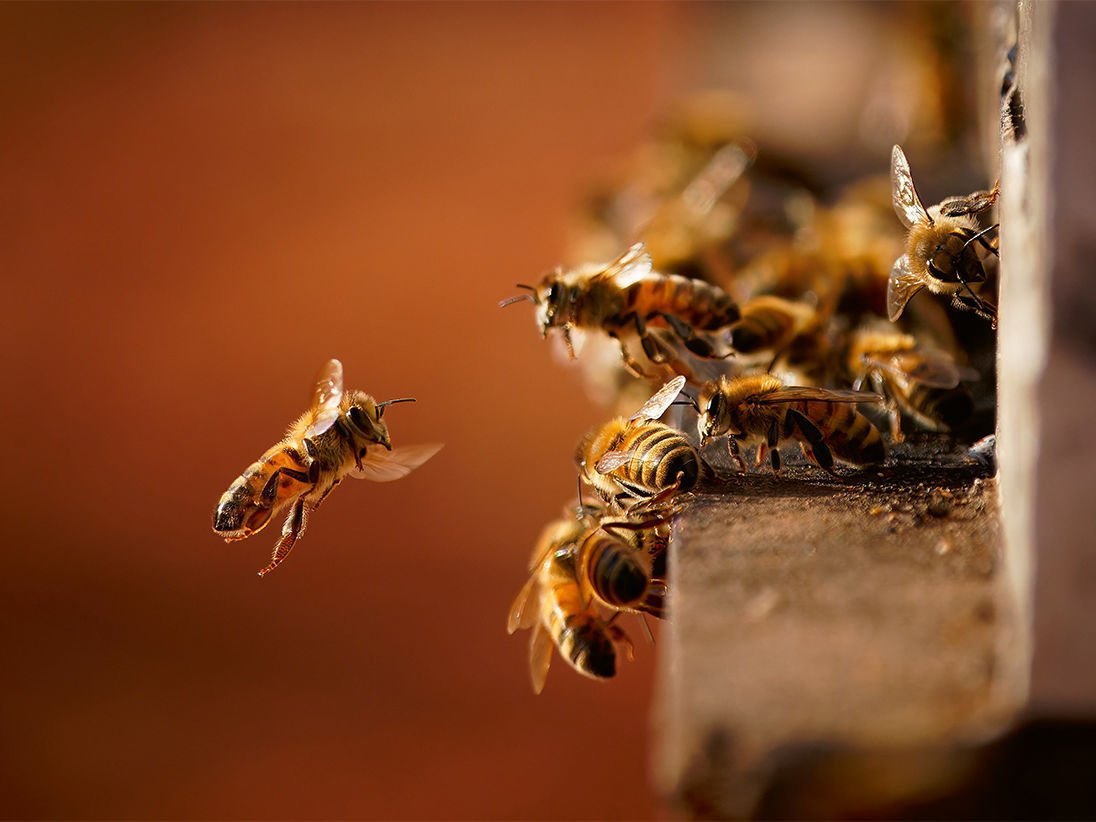
The honeybee industry is critical to Australian agriculture and generates more than $14 billion annually.
Approximately 70% of honey is produced from our native flora, with skilled commercial beekeepers producing 37,000 tonnes of honey annually. Australia has approximately 855,000 managed European honeybee hives, a massive feral honeybee population, and roughly 2,000 unique native bee species.
Sadly, these populations are declining due to the devastating spread of the invasive Varroa destructor mite, habitat loss from land clearing and bushfires, and the widespread use of agricultural chemicals.
Varroa destructor is an external parasite that attacks European honeybees (Apis mellifera). It’s considered one of the greatest threats to Australia’s honeybee population and agriculture industries that rely on bee pollination.
In June 2022, Varroa mite was detected in hives in New South Wales. Following a 14-month emergency response, it was determined that eradication of Varroa mite in Australia was no longer achievable. Varroa mite has since been detected in South Australia, Victoria, the Australian Capital Territory, and Queensland.
Focus has since shifted to slowing the spread of Varroa mite and improving the ability of beekeepers and growers to detect and manage the pest. Unfortunately though, many commercial beekeepers have lost all their hives to Varroa mite, leaving them heartbroken, unable to start over, and without income.
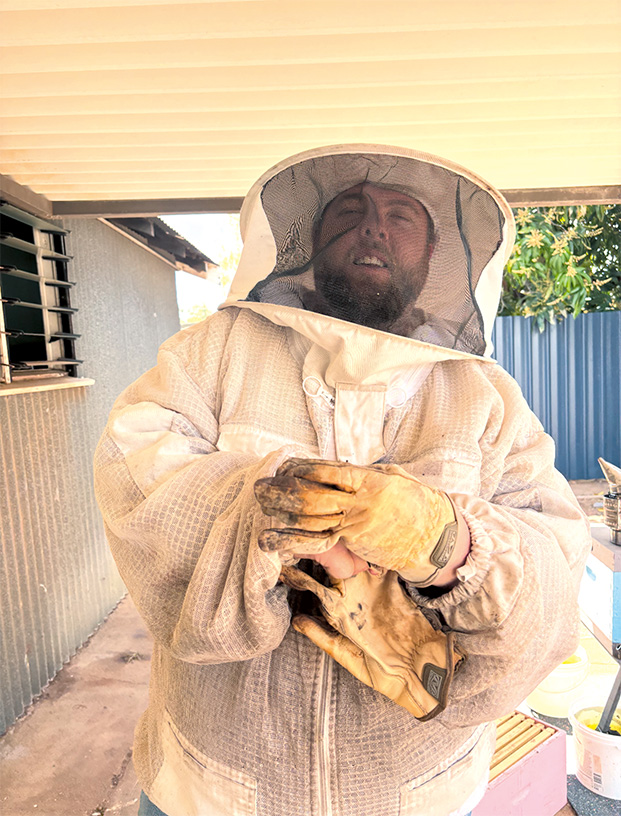
Mt Isa local Cody Hannover, 38, is a commercial beekeeper and owner of Mt Isa Beehive Products. Cody, who has been keeping bees since he was a teenager, explains that Australian beekeepers are struggling to keep their hives going in the face of challenging climate conditions and the spread of the Varroa mite.
“We are dealing with desert conditions. Rainfall is seasonal for most of the time and there are no horticultural crops,” he explains.
“Here in Mt Isa, it’s cattle country, so the bees are relying on what pollen the native bush is supplying or town gardens.”
Cody practises sustainable beekeeping, being mindful that the honey he takes from his bees is their food too. He’s also careful in using only organic treatments to keep Varroa mite at bay.
So far, Cody says oxalic acid—an organic, residue-free treatment used to kill Varroa mites on adult bees—has been the most effective prevention strategy.
The oxalic acid has to be applied at nighttime when the hive is together and can be treated at the one time.
The one silver lining of living in a desert climate, Cody says, is that Varroa mite doesn’t like 40°C heat.
“In wintertime it does get a bit colder here at night, so that could be a time when the Varroa will swarm up here,” he explains.

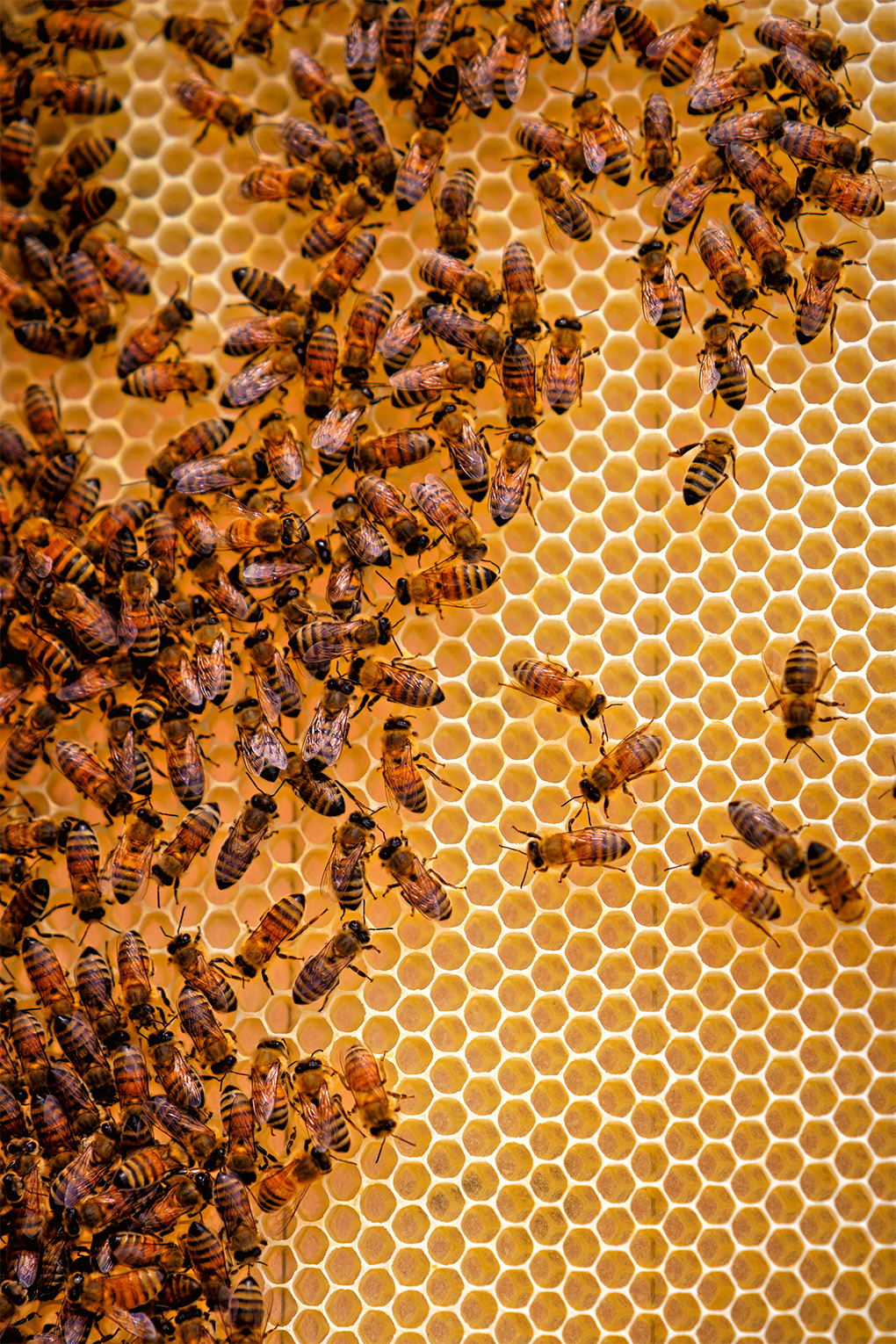
Another risk factor is people bringing in hives from areas affected by the mite. Mites spread easily through drones (male bees) entering other hives and by bees moving between flowers, where mites can survive for days on blossoms.
While Cody understands people becoming interested in beekeeping as a hobby, he says hobby hives represent a real risk to the broader industry.
“Keeping bees isn’t easy. A lot of people try to get into it but they have no idea how to look after bees properly. They end up not looking after them properly and their bees can swarm and infect hives in other areas.
“Then you get hobbyists trying to sell their honey when they actually should not be selling it because they aren’t registered. They should just be giving it to friends and family, but they end up selling at markets in competition with commercial beekeepers, like myself, who are trying to make a living out of it.
“It really does make it harder, because I’m paying for a licence as a commercial beekeeper and making sure I get all the proper testing done to ensure that jar of honey has the correct moisture content and will last for 30-odd years on your bench.”
Asked about the other challenges involved with beekeeping, Cody says bees are incredibly sensitive and reactive to their surroundings, something that requires his constant vigilance.
“If someone in the area is spraying chemicals, I’ve got to move my hives because bees are very susceptible to chemicals,” he explains.
“I’ve also got to have water sources at the beehives. If you don’t make sure your bees have access to water, they will go find it from taps and other places where they can find it. So you can lose your bees that way.”
Asked how people can help support and encourage pollinators at home, Cody recommends planting Australian natives. Bottlebrush, grevillea, banksia, tea tree, and westringia offer abundant nectar and pollen, supporting both honeybees and local native bee species.
Another option, he says, is hosting a hive that is installed and maintained by a professional beekeeper.
“I do that for people in my area,” he explains.
“I’ll go out and put a hive on someone's place, then look after it. When it comes time to extract, I’ll give them some honey out of it, plus they also get the benefit of the bees pollinating their fruit and vegetable gardens.”
The oxalic acid has to be applied at nighttime when the hive is together and can be treated at the one time.
The one silver lining of living in a desert climate, Cody says, is that Varroa mite doesn’t like 40°C heat.
“In wintertime it does get a bit colder here at night, so that could be a time when the Varroa will swarm up here,” he explains.
Another risk factor is people bringing in hives from areas affected by the mite. Mites spread easily through drones (male bees) entering other hives and by bees moving between flowers, where mites can survive for days on blossoms.
While Cody understands people becoming interested in beekeeping as a hobby, he says hobby hives represent a real risk to the broader industry.
“Keeping bees isn’t easy. A lot of people try to get into it but they have no idea how to look after bees properly. They end up not looking after them properly and their bees can swarm and infect hives in other areas.
“Then you get hobbyists trying to sell their honey when they actually should not be selling it because they aren’t registered. They should just be giving it to friends and family, but they end up selling at markets in competition with commercial beekeepers, like myself, who are trying to make a living out of it.
“It really does make it harder, because I’m paying for a licence as a commercial beekeeper and making sure I get all the proper testing done to ensure that jar of honey has the correct moisture content and will last for 30-odd years on your bench.”
Asked about the other challenges involved with beekeeping, Cody says bees are incredibly sensitive and reactive to their surroundings—something that requires his constant vigilance.
“If someone in the area is spraying chemicals, I’ve got to move my hives because bees are very susceptible to chemicals,” he explains.
“I’ve also got to have water sources at the beehives. If you don’t make sure your bees have access to water, they will go find it from taps and other places where they can find it. So you can lose your bees that way.”
And the easiest option of all? Support local commercial beekeepers.
“Supermarket honey is just crap compared to local honey,” Cody says.
“My honey is really unique. It tastes amazing. I’ve got town honey, wildflower honey, bushland honey, box honey, snappy gum honey… it’s all different colours and it all tastes very different.”
Cody’s mum, Robin, also uses the honey and beeswax to make products like soap, lip balm, and a variety of skincare products, which they take along to local markets to sell.
Despite the challenges of the job, Cody says he’s never wanted to do anything else.
“I love being outside all the time. I get to walk around in the bush and the scrub, and you find all sorts of interesting stuff. I’ll go fossicking for rocks and you see some amazing wildlife.”
If you’d like to try Cody’s honey, visit mtisabeehiveproducts.com.au
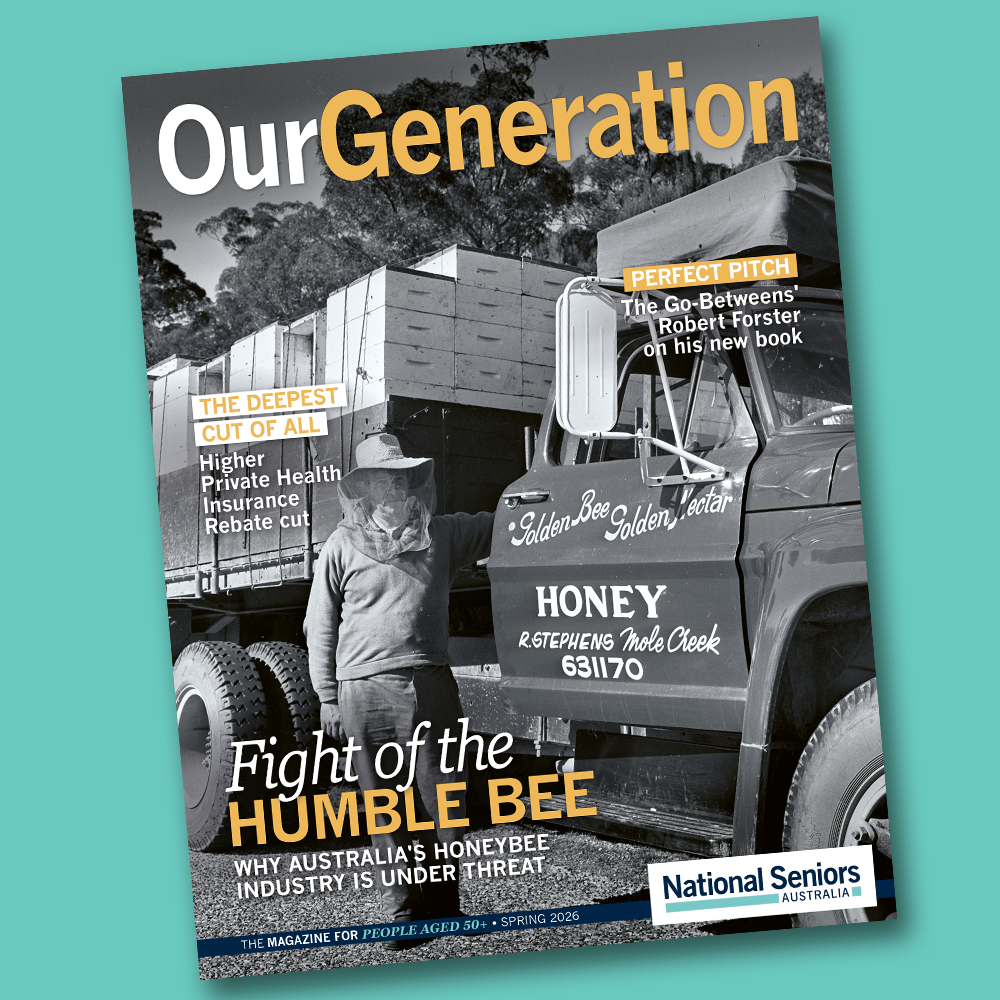
This article is featured in National Seniors Australia’s quarterly member magazine, Our Generation.
Become a member today and receive a yearly subscription to Our Generation digital magazine as part of your membership, along with exclusive discounts, competitions, branch access and more!
Your membership directly funds our advocacy and research work that benefits older Australians including fixing pension poverty, tackling health care costs, and improving aged care.