Leaving a legacy
For a long time, family stories were passed down through documents and word of mouth. Today, technology makes preserving a life story easier than ever.
By Meghan Fallis

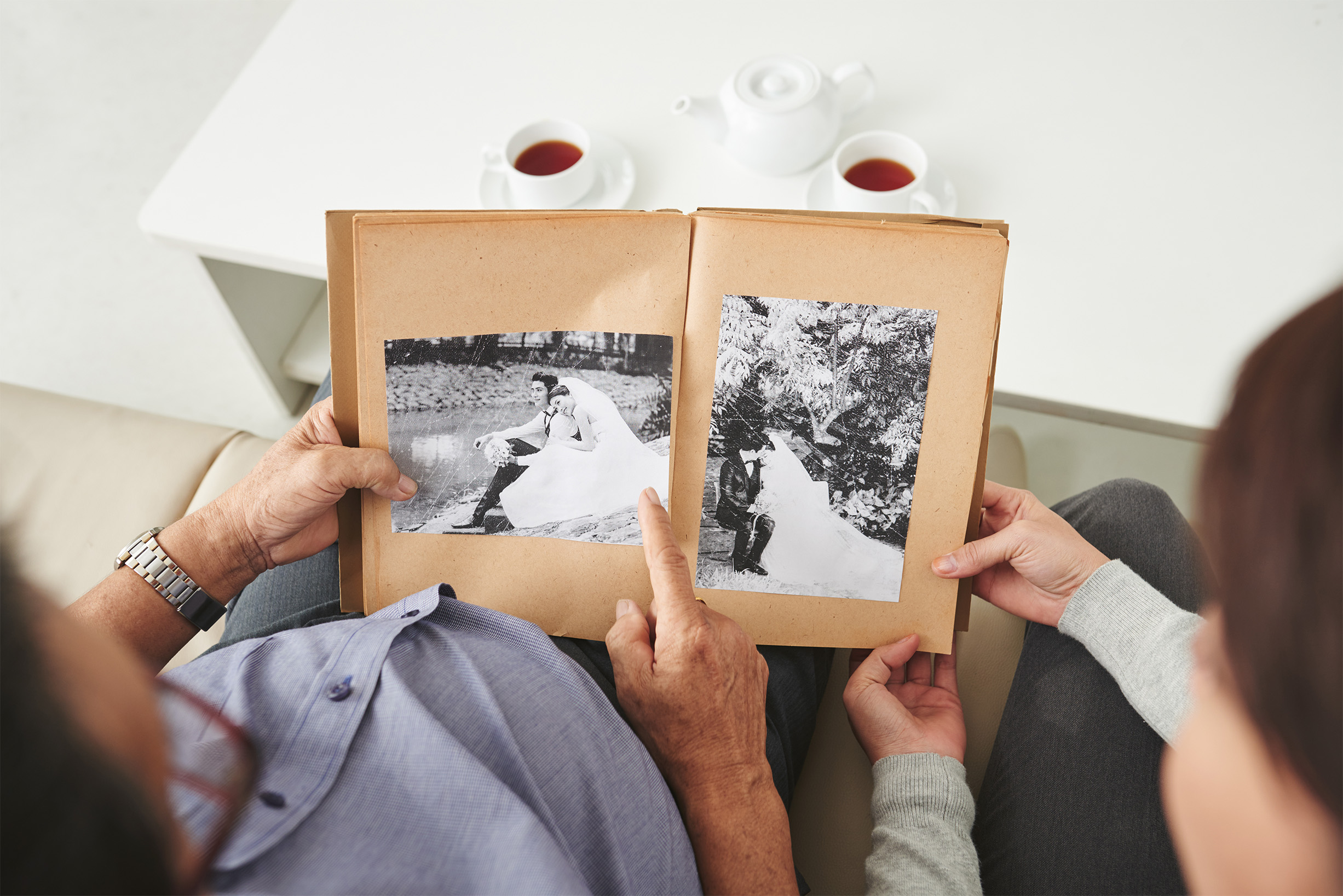
Most people consider sharing family legacies to be incredibly important. These stories inform of generational ties, provide context for family lineages, and can provide crucial genetic information.
Documentation of a loved one’s triumphs, challenges, and relationships can also provide invaluable wisdom, life advice, and inspiration for both existing and future generations.
Photo albums and diaries are more traditional methods of offering a glimpse into a loved one’s experiences, but a massive boom in modern technology and storytelling methods is shifting how life stories are told and removing the hurdles to leave one’s legacy.
Across Australia, ‘journal prompt’ diaries, memoir-writing coaches, and user-friendly audio and video documenting tools are new methods enabling individuals to compile a life story that will live on long after them.
Simon Dalton is a Melbourne-based memoir and biography writer and coach who helps people bring their life stories into physical, tangible books to be passed through generations.
Simon offers biography, co-writing, and ghostwriting services (writing on behalf of someone), and has worked with many clients to get to the heart of their stories and encapsulate the legacies they wish to leave behind.
Simon felt called to undertake this kind of work after his ‘eccentric’ 80-year-old great aunt passed away.
“I was asked to take some of her old belongings to the tip and as I was getting them out of the car, a box broke open and out fell all these letters and communication that she was involved with. I just stopped and started reading them, and it turned out she had this extraordinary life that no one knew about,” Simon says.
“And I thought, that’s so sad, and had the idea that surely people’s lives are worth recording. There’s a well-known quote that if you're not in a story, you don’t exist.
“I think there’s a huge regret if people’s stories are not told, and when people do finally get their story told and it’s presented in a book form—or whatever form it is—they’re just so delighted, and their relatives are generally very relieved.”
In Simon’s experience, younger family members often have to ‘coax’ their parents or older family members into engaging in the storytelling process, especially when the concept of opening up about experiences or achievements can bring up feelings of discomfort.
“When people have been reluctant and it's turned into something joyous and that the family really celebrate, then that makes me feel like I’ve really not only done my job well, but [happy that] it’s brought both joy and a sense of completeness, because people are just relieved that all these stories are kept alive,” Simon says.
“I tell people, think about your legacy. What do you want your grandchildren to know about how you lived? What are the values that you think still stand up today? Is it morality and truth and all those sorts of things? What do you think it’s important to be remembered as?
“So, here’s your chance. Don’t just give us the bare bones, tell us how you feel. I think that they make the best stories.”

Simon says recording one’s life story also creates the opportunity to leave everything out on the table.
“Sometimes you find within families that there’s been feuding with certain people and they want their opportunity to put the record straight… They feel that this is the only way they’ve got a chance to tell their story without it being influenced by other people,” Simon says.
“I feel that generally, with something like that, two things happen. Sometimes they will reflect on that and modify it so it’s more diplomatic. Sometimes they won’t want to change a thing. And I give them that option.
“People talk about regrets too. Some people say, ‘I don't have any regrets’, but there’s a hell of a lot of people who do. They wish, if circumstances were different, they might have done things differently. Or they’ll candidly say, ‘Well, I think I got that wrong’, or ‘I wished I had been more patient’. I think they’re the sorts of things that people want to hear.”
Simon says the most accurate versions of life stories are achieved by beginning the documenting process as early as possible.
“The voice and the character of the person while they’re alive is clearly better than somebody reflecting second-hand on that person after they’re deceased. The other thing that I think is important is that while they're alive, they can also give insight into other people who have gone before them that they know, but most others often don’t,” Simon says.
“Whereas, when somebody’s passed, you’re relying on other people, and though you back their judgment, maybe the person they’re talking about wouldn’t have liked to have a particular story mentioned. You just don’t know.
“So, it’s always better, where possible, to get the real person, because you get the nuances, you get the personality, and sometimes you actually learn things that nobody else has… I find that’s a bit of a gem, that situation.”
Like Simon, Melbourne-based Dan Thomas’ idea to record people’s life stories grew from the wish he’d known more about his older family members.
Dan now owns and operates All About Me Films, where he produces 60-minute documentary-style films about clients’ life stories.
“I was quite literally looking at a picture of my grandparents, who are long since passed, and thinking about how I didn’t really know much about them, and how lovely it would have been to know more,” Dan explains.
“Then I thought, ‘Oh my goodness, what if I interviewed people and could bring these stories to life?’ It all sort of just came to me at once.”
Dan says engaging a professional storyteller with sound knowledge of impactful story crafting techniques and access to high-quality recording equipment ensures loved ones’ stories are produced to a high standard.
“I think people of the generations who are 70 years and above, broadly, tend to think their story might not be worth saving, and think there’s something a bit egotistical, maybe, and possibly narcissistic about the idea of saving their own life story… and then there’s partly the sort of sense of, ‘My life story’s not interesting enough to save’,” Dan says.
“What they don’t realise is that you don’t need to have been Napoleon or or Winston Churchill to have had a life story worth saving.
“Actually, just the intimate details of your life story and just the facts of where you lived or a bit of history or… details about the people that you loved and why you loved them [are] so much more important to your children and grandchildren than whether you ran a bank or were a general in the war.
“People quite often approach the film as if the historical element of it is the important bit—and it’s really not the important bit, as far as I’m concerned. The most interesting part of the film is just the sense of the person and the sense of who they loved.”
Dan has produced more than 50 life story films, and says he’s never met anybody who regrets being involved.
“They’re always really glad they did it, because once they’ve done it, there’s usually this huge sense of unburdening. They might have been a bit hesitant, but most people actually really enjoy the process,” Dan says.
“I always try and give them an opportunity to make sure that they tell their families, who are going to be watching the film, how much they love them. So, it’s absolutely not just a historical document. It’s a real connection piece.”
Dan says it’s not just older people who have benefitted from his services. He interviewed a woman with advanced stage four liver cancer who wanted her two young girls to have a part of her remain as they grew up.
“It was a real chance for her to just get everything out, and she talked about how it felt to know that you were going to die quite soon, and how she felt that she wasn't going to be there for the children,” Dan says.
“At the end, she gave me a big hug and said, ‘I just feel like I’ve totally unburdened myself, and I feel so much lighter’. She actually died two weeks to the day after we did the interview.”
Dan says that while ultimately, any method of documenting one’s life story can be a worthwhile investment, he thinks there’s a multimedia element to speaking on camera that nothing else captures.
"I think for me, the reason making a film is a great way of doing it is because you are literally alive on the film,” he says.
“Camera genuinely captures your laugh, your voice, the twinkle in your eyes, your tears—it captures all of your little personal tics and movements and body language in a way that nothing else can.
“The other thing I think is really nice about doing it on film is that it’s manageable to digest... There’s this genuine sense of connection that you just don’t get with anything else.”
If you’re interested in Simon or Dan’s life story services, you can visit their websites at simondalton.com.au and allaboutmefilms.com.au
Have you come up with a unique way or preserving your or a family member’s legacy? Let us know at ourgeneration@nationalseniors.com.au or on our socials.
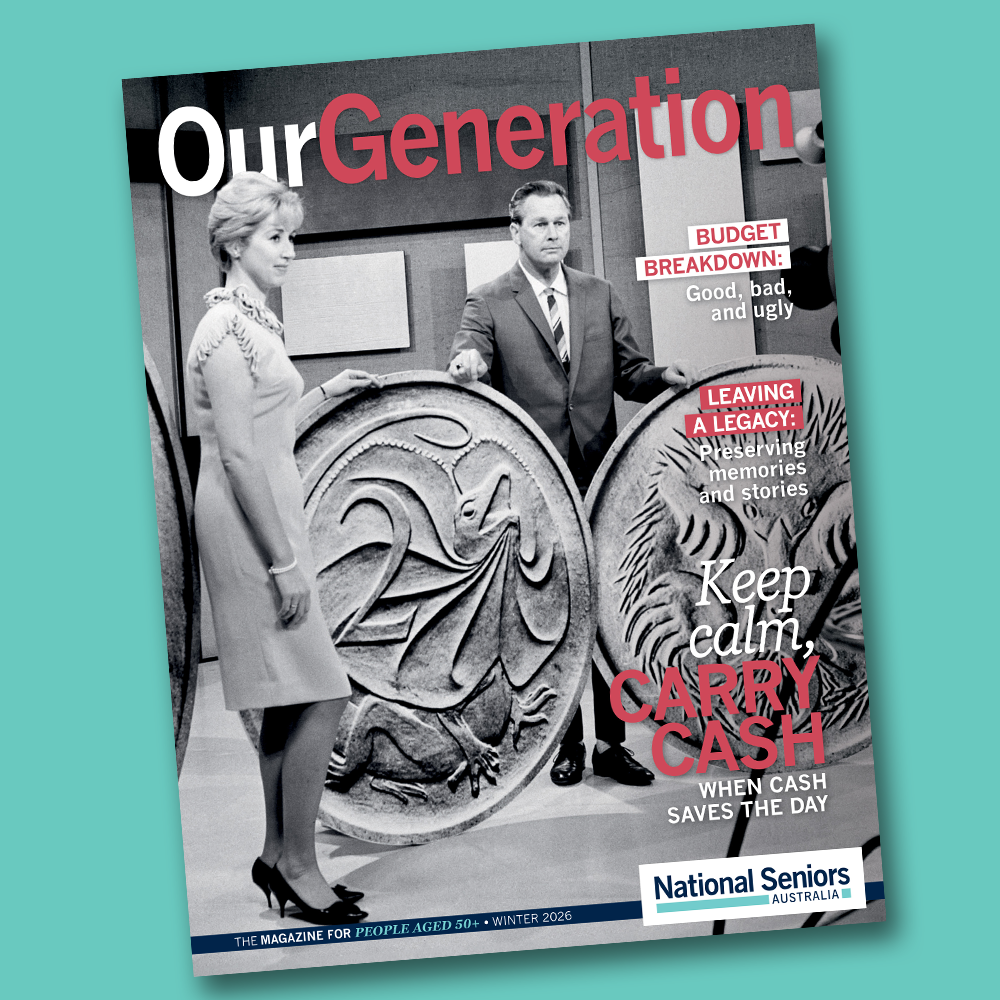
This article is featured in National Seniors Australia’s quarterly member magazine, Our Generation.
Become a member today and receive a yearly subscription to Our Generation digital magazine as part of your membership, along with exclusive discounts, competitions, branch access and more!
Your membership directly funds our advocacy and research work that benefits older Australians including fixing pension poverty, tackling health care costs, and improving aged care.