Crackdown on e-scooters and e-bikes
In a move to quell public concern about safety, Queensland has tightened e-rideable laws. But do they unfairly demonise older e-bike riders?
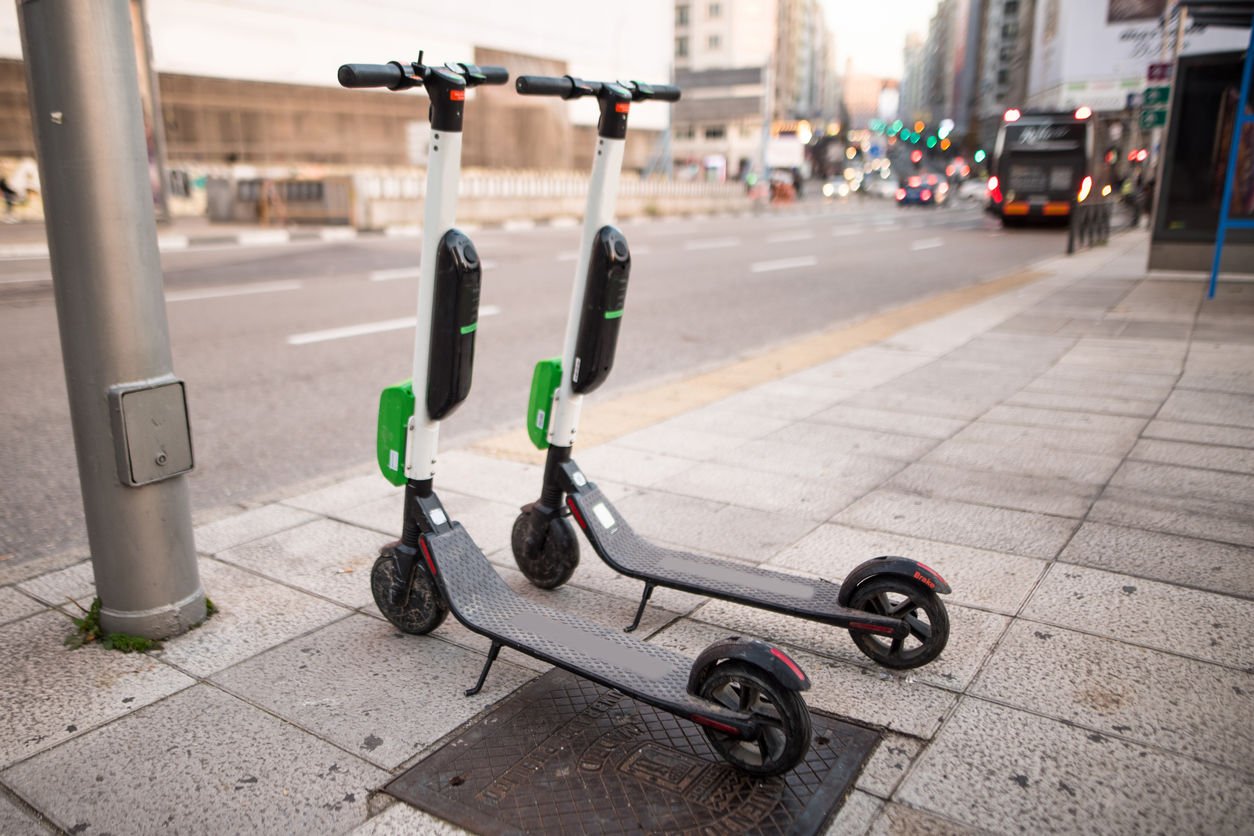
A challenge for older riders
A growing number of seniors are turning to electric bicycles to stay active, independent, and socially connected but fear the proposed laws to curtail the misuse of these vehicles may have unintended consequences.
E‑bikes allow riders to adjust the level of assistance, making longer rides and gentle hill climbing achievable without overexertion. For seniors, they can support cardiovascular fitness, joint mobility, and mental wellbeing.
Tighter speed limits, blanket bans on the use of certain roads or paths, or unclear rules around motor power may restrict safe, low‑impact riding.
If regulations do not clearly distinguish between high‑speed devices and pedal‑assist cycles, these older Australians risk losing an accessible form of exercise that helps them age actively and confidently.
Queensland is set to introduce sweeping new restrictions governing the use of e-mobility devices (which include e-scooters and e-bikes), in a significant overhaul of micromobility laws.
The reforms follow a surge in injuries, rising community concern, and a parliamentary inquiry that delivered 28 major recommendations aimed at improving safety for riders, pedestrians, and motorists alike.
The crackdown comes on the back of similar changes in other states and territories.
A response to rising injuries and pedestrian risk
The Queensland Government’s move comes after 12 deaths and more than 6,300 hospital presentations linked to e-mobility incidents in the past year alone.
Safety concerns have also been fuelled by a growing number of high-speed collisions, particularly involving young riders. In 2025, nearly 1,100 of Queensland’s e-scooter injury presentations involved children under 16, with almost a third of riders travelling above the 25 km/h limit when injured.
Pedestrians, especially older Australians, have expressed particular concern over footpath speeds, near-misses, and the difficulty of hearing approaching devices. Acknowledging these safety risks, the Queensland Government has announced a 10 km/h footpath speed limit and a new offence for riding without due care near pedestrians.
Fill out our reader poll below: Do you support stricter laws governing e-scooters and e-bikes?
Key proposed law changes in Queensland
The Queensland Government has accepted or accepted in principle all 28 recommendations of the parliamentary inquiry, with laws expected to be introduced to Parliament imminently. Among the headline reforms:
1. Minimum age of 16
Children under 16 will be banned from riding any e-mobility device on public infrastructure. This aligns Queensland with South Australia and Western Australia, which already impose similar age restrictions.
2. Licence requirement
Queensland will become the first Australian jurisdiction to require riders to hold at least a learner’s licence, ensuring they demonstrate basic understanding of road rules before riding. A three-year learner licence will cost $77.55.
3. Tougher footpath and speed controls
Footpath speeds will be capped at 10 km/h, with powerful devices – those capable of exceeding 25 km/h – reclassified as motorcycles or mopeds requiring registration and insurance.
4. Enhanced police powers
Queensland Police will gain the authority to conduct random breath tests, seize devices on first offence, and pursue penalties through the State Penalties Enforcement Registry. Parents may be held liable when minors breach regulations.
For older pedestrians, these reforms aim to reduce the risk of collisions and highspeed incidents on footpaths – an area of consistent concern raised in community submissions.
5. New fines for bad parking
Users of e-mobility devices will need to be more careful where they park, with fines for unreasonably obstructing footpaths and other areas. This is aimed at improperly parked devices, which can impact those with disabilities, those using mobility aids, older people, people with prams, or other vehicles. E-mobility device operations may be required to provide photographs to authorities showing the device was properly parked at the end of a trip.

How other states and territories compare
Queensland’s overhaul reflects a broader national trend toward tightening e-mobility regulations. However, they go much further than some states by treating e-bikes the same as e-scooters.
Western Australia
Privately owned e-scooters or “e-rideables” are permitted under strict conditions in WA. E-scooter use is restricted to those 16 and over, with footpath speeds capped at 10 km/h and a maximum of 25 km/h on bike paths, shared paths, and local roads.
E-bikes, operate under the same rules as regular bikes but are also restricted to those 16 and over. Unlike the proposal in Queensland there are no restrictions on the speed at which you can ride on a shared path (except on a pedestrian crossing, which is 10km/h).
South Australia
From 13 July 2025, privately owned e-scooters could be used on public roads with age and speed restrictions. Riders are not required to hold a licence or register their device, though commercial providers must meet liability insurance requirements.
E-bikes or “power-assisted bicycles” do not require a licence and can be used under the same rules as a regular bicycle. There is no current speed limit for e-bikes.
New South Wales
NSW remains the most restrictive state for e-scooters and e-bikes. As of 2026, privately owned e-scooters remain illegal on public roads, footpaths, and cycle lanes, though the state is actively considering setting a minimum age limit following several high-profile incidents involving teenagers.
E-bikes are permitted and can be operated under the same rules as bicycles. In this regard you cannot ride a bicycle or an e-bike on a footpath over the age of 16 (unless you are supervising a child riding a bike under 16) in NSW.
Victoria
Victoria continues to operate trial programs and has not fully legalised private e-scooter use on public land. Policymakers there are assessing trial outcomes before finalising regulation.
E-bike riders must follow the road rules set out for regular bicycles. In Victoria, you cannot ride a bicycle or e-bike on a footpath over the age of 12, unless supervising a person who is 12 years or younger.
Tasmania
In Tassie you must be at least 16 years old to ride a Personal Mobility Device (PMD), such as an e-scooter, with speed restrictions of 15km/h on footpaths, 25km/h on bike paths and shared paths and on roads limited to 50km/hr. However, children under 16 can use low-powered e-scooters which do not exceed 200 watts and speeds of 10 km/h.
E-bikes are excluded from the definition of a PMD and come under the rules for regular bicycles and can be ridden on footpaths but at a slower speed than on roads.
Australian Capital Territory
The ACT permits e-scooter use by riders aged 16 and over, mirroring Queensland’s safety-focused approach, with maximum speeds of 25 km/h and restrictions in parts of Canberra’s CBD.
E-bikes operate under the same rules as bicycles and can be ridden on footpaths with no set speed limits, but due care taken to keep left and give way to pedestrians.
Northern Territory
Despite having a historical “wild west” reputation as for a lack of speed limits on some roads, it may surprise you to find that it is not legal to ride a personal e-scooter on public roads or paths. The only exception is on private property.
Riders of e-bikes must operate the same as regular bicycles by riding on the left and giving way to pedestrians, with no set speed limit enforced.
Do the new rules step over the mark?
Across Australia, the message from policymakers is clear: while micromobility offers significant benefits – convenience, emissions reduction, and reduced reliance on cars – it must not come at the expense of public safety.
With the number of injuries rising, particularly among young people, governments are converging on the need for age limits, speed controls, and clearer rules for public space sharing.
However, in most states there is a distinction between powered devices such as e-scooters and power assist devices such as e-bikes, with the latter operating under rules for regular bicycles in most jurisdictions. While NSW and Victoria restrict e-bike use on footpaths, other jurisdictions allow e-bikes to operate on footpaths provided people ride with care.
This is causing concern among older e-bike riders who are generally doing the right thing when riding on shared footpaths and need these bikes to keep them active.
If issues like this are important to you, please consider joining our Essential Services campaign here, which includes advocacy on issues such as transport.





Thousands of Australia-wide discounts
Exclusive offers and savings across dining, shopping, gift cards, and more – all in the EAT | PLAY | SAVE app.

Members save 10% on Travel Insurance*
National Seniors members receive a 10% discount on travel insurance policies*.

Financial Information Consultant
Speak to a real person and receive up-to-date information on retirement planning, superannuation, and more!

Branches
Expand your social circle, enjoy social events, day trips, guest speakers, and meet like-minded members.

Exclusive Travel Discounts
Save on tours, cruises, and holidays with exclusive discounts on National Seniors Travel.

Our Generation Digital Magazine
Receive a yearly subscription to Our Generation Digital Magazine.

The Good Guys Commercial
Members enjoy exclusive access to The Good Guys Corporate Benefits. Save on small and large appliances as well as technology.

Advocacy & Research
Your membership directly funds our advocacy and research work fighting issues that affect you.

Competitions
Access exclusive member-only weekly competitions including books, DVDs, CDs, movie tickets and more.

Discounts
In addition to the discounts app, members can save thousands on eGift Cards and other discounted products.
*The discount applies to the total National Seniors travel insurance premium and is for National Seniors Australia members only. Discounts do not apply to the rate of GST and stamp duty or any changes you make to the policy. AGA has the discretion to withdraw or amend this discount offer at any time. This discount cannot be used in conjunction with any other promotional offer or discount.
National Seniors Australia Ltd ABN 89 050 523 003, AR 282736, is an authorised representative of AWP Australia Pty Ltd, ABN 52 097 227 177, AFSL 245631, trading as Allianz Global Assistance (AGA), and acts as AGA's agent and not as your agent. nib Travel Services (Australia) Pty Ltd (nib), ABN 81 115 932 173, AFSL 308461 acts as third party administrator on behalf of AGA, managing claims, complaints, enquiries and sales. This is general advice only. Before you buy, you should consider whether the product is appropriate for you, the Product Disclosure Statement (PDS), Financial Services Guide (FSG) and Target Market Determination (TMD) is available from us. This insurance is underwritten by Pacific International Insurance Pty Ltd, ABN 83 169 311 193, AFSL 523921.