Free RSV vaccine removes cost for older seniors
This major win will help older Australians stay well, independent, and out of hospital.
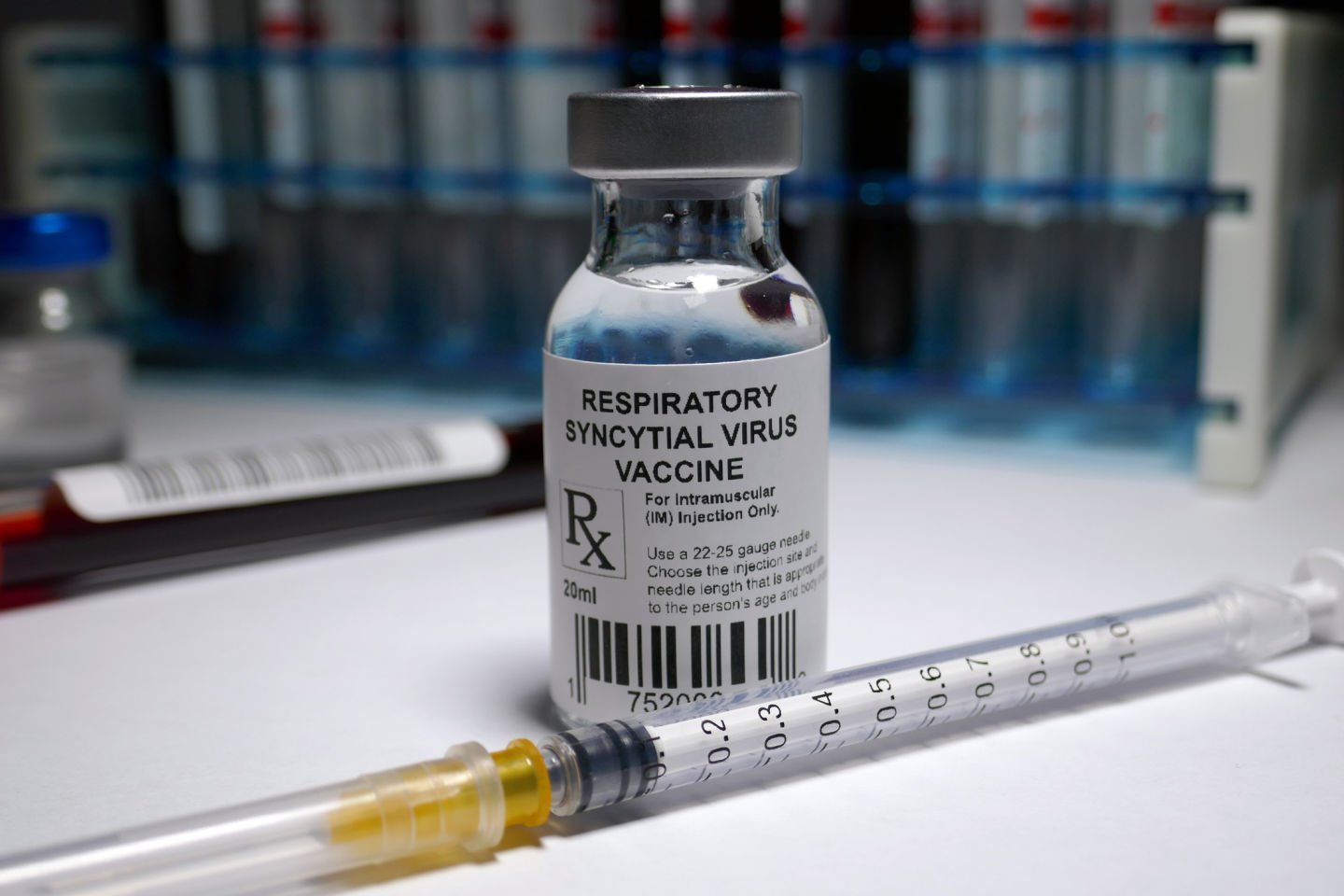
National Seniors Australia (NSA) welcomes news that older Australians can now access a free Respiratory Syncytial Virus (RSV) vaccine under the National Immunisation Program (NIP).
Health Minister, Mark Butler, announced that, from 15 May, people aged 75 and over can receive free RSV vaccination through their preferred local health service, including GPs.
Aboriginal and Torres Strait Islander people will be eligible from the age of 60.
NSA sees this as a major step forward in protecting seniors from a virus that can cause serious illness, hospitalisation and even death.
RSV is often mistaken for a “bad cold”, but for older Australians – particularly those with underlying health conditions or living in aged care – it can be severe.
Until now, the vaccine came with a price tag of around $300, putting it out of reach for many people on fixed or low incomes. Removing this cost barrier is exactly the kind of policy change that helps improve health outcomes later in life.
It validates NSA’s ongoing Health Costs campaign and our research showing the impact of cost on health care access.
The Royal Australian College of GPs president, Dr Michael Wright, said the decision was an important step in reducing preventable hospitalisations and improving health outcomes for older Australians.
“RSV can cause serious illness in older people, leading to hospitalisation, complications and, in some cases, death,” Dr Wright said. He added that the decision “will save lives, reduce pressure on hospitals, and improve protection for those most at risk”.
Pharmacy Guild of Australia vice president, Simon Blacker, said the RSV vaccine would be available at more than 6,000 community pharmacies across Australia.
NSA advocacy
NSA has consistently highlighted how out‑of‑pocket costs prevent older Australians from getting the health care they need.
As found in our research on healthcare affordability, many older people delay or avoid care altogether because of cost – especially when services are not well subsidised.
Our research asked older people whether cost prevented them from accessing healthcare interventions. It found this differed for different types of health care. Unsurprisingly, health care interventions that are heavily subsidised through Medicare had lower barriers due to cost.
The Pharmaceutical Benefits Scheme and GP visits, which receive strong government support, had lower proportions of people experiencing a cost barrier than services such as dental care, allied health, or specialist appointments, where government subsidies are lower.
Making the RSV vaccine free through the NIP follows this same logic. By fully funding preventive care, governments can remove cost as a barrier and help people stay well, independent, and out of hospital.
You can read more in NSA’s report on healthcare affordability here, and join our health costs campaign here.

Vaccination works – flu shows us why
Vaccination is one of the clearest examples of how affordability and access go hand in hand.
NSA’s research into vaccinations shows that flu vaccination rates are high among older Australians, particularly as people age. This reflects long‑standing public funding, clear public health messaging, and easy access through GPs and pharmacies.
In contrast, when vaccines are expensive or not subsidised, uptake drops – even when the health risks are well known.
That is why making the RSV vaccine free is so important. It puts RSV protection on the same footing as the flu vaccine and encourages people to add it to their regular winter health routine.
You can read NSA’s broader research on vaccination attitudes and access here.
With RSV now free for higher risk groups, it’s a timely reminder to book your flu shot and ask about RSV at the same visit.
Access matters – especially outside the cities
Affordability is only part of the picture. Where you live also affects whether you get vaccinated.
NSA’s Regional, Rural, and Remote (RRR) report found that older Australians living outside major cities are less likely to receive flu vaccinations than those in metropolitan areas. Distance, limited services, workforce shortages, and fewer health facilities may all play a role, as well as cultural norms about the value of vaccination.
This makes delivery through community pharmacies and local general practices especially important. Pharmacies are often the most accessible health service in regional towns, and many already provide free flu and COVID‑19 vaccines under the NIP.
Expanding RSV vaccination through these settings improves equity and helps close the gap between city and country outcomes.
You can read the full RRR findings here.
The closing message is: If you are eligible, speak with your GP or pharmacist about getting the RSV vaccine alongside your annual flu shot. It’s one appointment that could make a big difference this winter.





Thousands of Australia-wide discounts
Exclusive offers and savings across dining, shopping, gift cards, and more – all in the EAT | PLAY | SAVE app.

Members save 10% on Travel Insurance*
National Seniors members receive a 10% discount on travel insurance policies*.

Financial Information Consultant
Speak to a real person and receive up-to-date information on retirement planning, superannuation, and more!

Branches
Expand your social circle, enjoy social events, day trips, guest speakers, and meet like-minded members.

Exclusive Travel Discounts
Save on tours, cruises, and holidays with exclusive discounts on National Seniors Travel.

Our Generation Digital Magazine
Receive a yearly subscription to Our Generation Digital Magazine.

The Good Guys Commercial
Members enjoy exclusive access to The Good Guys Corporate Benefits. Save on small and large appliances as well as technology.
Advocacy & Research
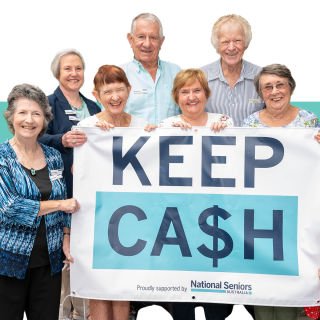
Your membership directly funds our advocacy and research work fighting issues that affect you.

Competitions
Access exclusive member-only weekly competitions including books, DVDs, CDs, movie tickets and more.

Discounts
In addition to the discounts app, members can save thousands on eGift Cards and other discounted products.
*The discount applies to the total National Seniors travel insurance premium and is for National Seniors Australia members only. Discounts do not apply to the rate of GST and stamp duty or any changes you make to the policy. AGA has the discretion to withdraw or amend this discount offer at any time. This discount cannot be used in conjunction with any other promotional offer or discount.
National Seniors Australia Ltd ABN 89 050 523 003, AR 282736, is an authorised representative of AWP Australia Pty Ltd, ABN 52 097 227 177, AFSL 245631, trading as Allianz Global Assistance (AGA), and acts as AGA's agent and not as your agent. nib Travel Services (Australia) Pty Ltd (nib), ABN 81 115 932 173, AFSL 308461 acts as third party administrator on behalf of AGA, managing claims, complaints, enquiries and sales. This is general advice only. Before you buy, you should consider whether the product is appropriate for you, the Product Disclosure Statement (PDS), Financial Services Guide (FSG) and Target Market Determination (TMD) is available from us. This insurance is underwritten by Pacific International Insurance Pty Ltd, ABN 83 169 311 193, AFSL 523921.