Study sheds light on sun exposure
Skin damage can still occur even during “safe” times, according to Australian researchers.
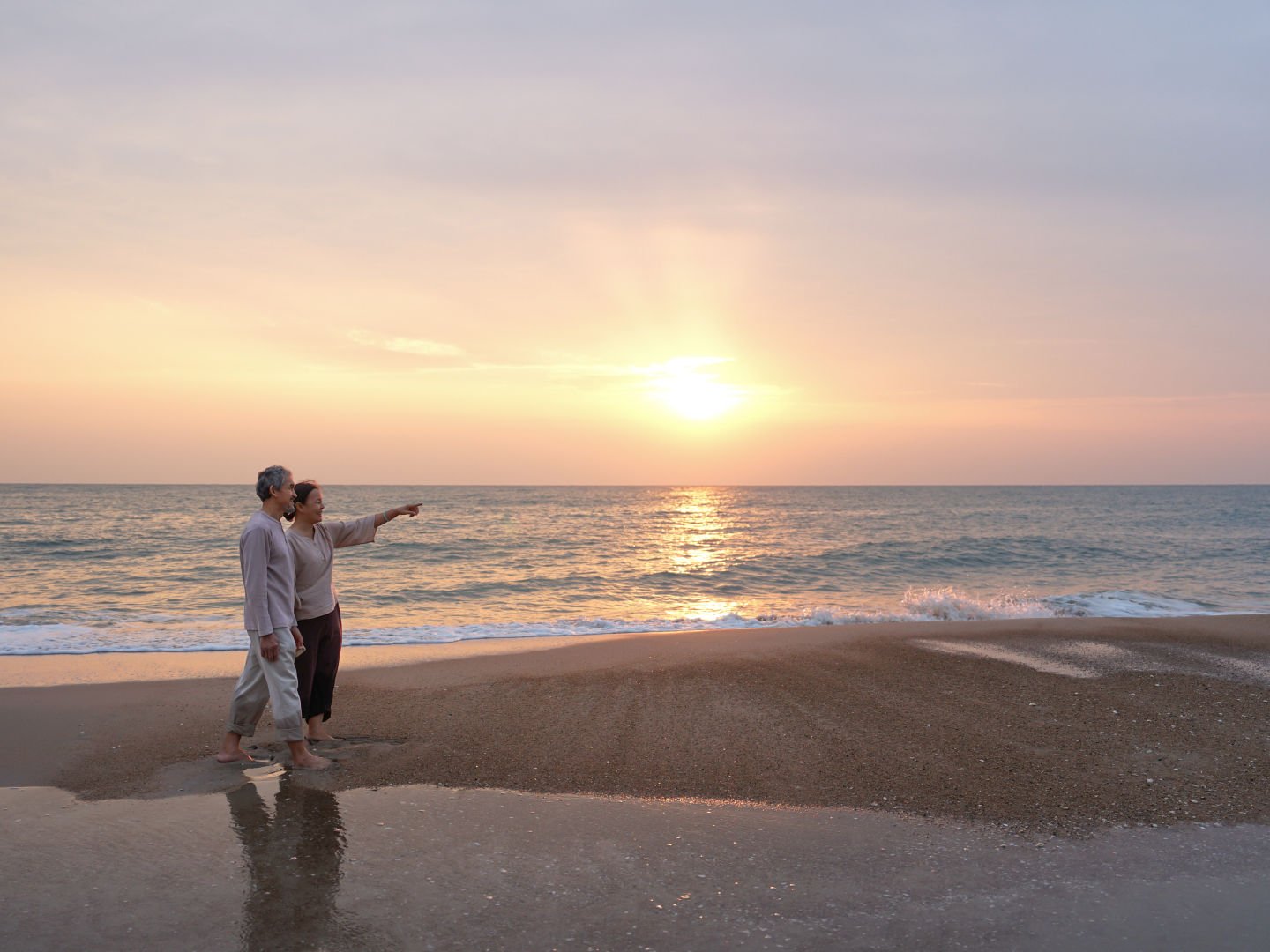
Many of us have grown up believing that spending time in the sun early in the morning, later in the afternoon, or during winter carries little risk of skin cancer.
However, new research is reshaping that assumption, suggesting that even low-intensity sunlight may contribute to skin damage.
The study, led by Professors Rachel Neale and David Whiteman at QIMR Berghofer in Brisbane, found that short periods outdoors during times typically considered “safe” can still result in measurable damage to the skin’s DNA.
This challenges decades of messaging that lower ultraviolet (UV) levels equate to minimal harm.
The key insight of the study is that it’s the total dose of UV radiation that matters, not just the intensity or the time of day.
“You can get the same dose of UV radiation in a short time in the middle of the day or a longer time earlier or later,” Professor Neale said.
The research team conducted what is known as a low-dose UV study, involving 58 participants with light to olive skin tones.
Controlled exposure to both low and high UV intensities mimicked real-world conditions across different times of day. Importantly, even when exposure levels were too low to cause visible sunburn, scientists still detected DNA damage in the skin.

This damage was identified through molecular markers such as p53, a protein that signals cellular stress, as well as specific UV-induced DNA lesions. These markers act as early warning signs, long before any cancer develops.
While a single exposure does not mean skin cancer will occur, Professor Whiteman said repeated, incremental exposure is the concern. Over months and years, these small doses can accumulate, increasing the likelihood of mutations that may eventually lead to skin cancer.
The researchers stress that their findings are not about avoiding sunlight altogether, as it plays an essential role in maintaining vitamin D levels and overall health.
Instead, the study underscores the importance of updating sun safety habits to reflect evolving scientific evidence.
Experts advise that applying sunscreen as part of a daily routine can help reduce long-term risk.

Disclaimer: This article is for information purposes only and should not be considered medical advice. Consult a registered healthcare professional about any health concerns or before making any changes to your medication, diet, or exercise routine.


Thousands of Australia-wide discounts
Exclusive offers and savings across dining, shopping, gift cards, and more – all in the EAT | PLAY | SAVE app.
Members save 10% on Travel Insurance*
National Seniors members receive a 10% discount on travel insurance policies*.

Financial Information Consultant
Speak to a real person and receive up-to-date information on retirement planning, superannuation, and more!

Branches
Expand your social circle, enjoy social events, day trips, guest speakers, and meet like-minded members.

Exclusive Travel Discounts
Save on tours, cruises, and holidays with exclusive discounts on National Seniors Travel.

Our Generation Digital Magazine
Receive a yearly subscription to Our Generation Digital Magazine.

The Good Guys Commercial
Members enjoy exclusive access to The Good Guys Corporate Benefits. Save on small and large appliances as well as technology.
Advocacy & Research
Your membership directly funds our advocacy and research work fighting issues that affect you.

Competitions
Access exclusive member-only weekly competitions including books, DVDs, CDs, movie tickets and more.

Discounts
In addition to the discounts app, members can save thousands on eGift Cards and other discounted products.
*The discount applies to the total National Seniors travel insurance premium and is for National Seniors Australia members only. Discounts do not apply to the rate of GST and stamp duty or any changes you make to the policy. AGA has the discretion to withdraw or amend this discount offer at any time. This discount cannot be used in conjunction with any other promotional offer or discount.
National Seniors Australia Ltd ABN 89 050 523 003, AR 282736, is an authorised representative of AWP Australia Pty Ltd, ABN 52 097 227 177, AFSL 245631, trading as Allianz Global Assistance (AGA), and acts as AGA's agent and not as your agent. nib Travel Services (Australia) Pty Ltd (nib), ABN 81 115 932 173, AFSL 308461 acts as third party administrator on behalf of AGA, managing claims, complaints, enquiries and sales. This is general advice only. Before you buy, you should consider whether the product is appropriate for you, the Product Disclosure Statement (PDS), Financial Services Guide (FSG) and Target Market Determination (TMD) is available from us. This insurance is underwritten by Pacific International Insurance Pty Ltd, ABN 83 169 311 193, AFSL 523921.