Aged care under pressure
New report highlights why older Australians are waiting too long and what it means for you.
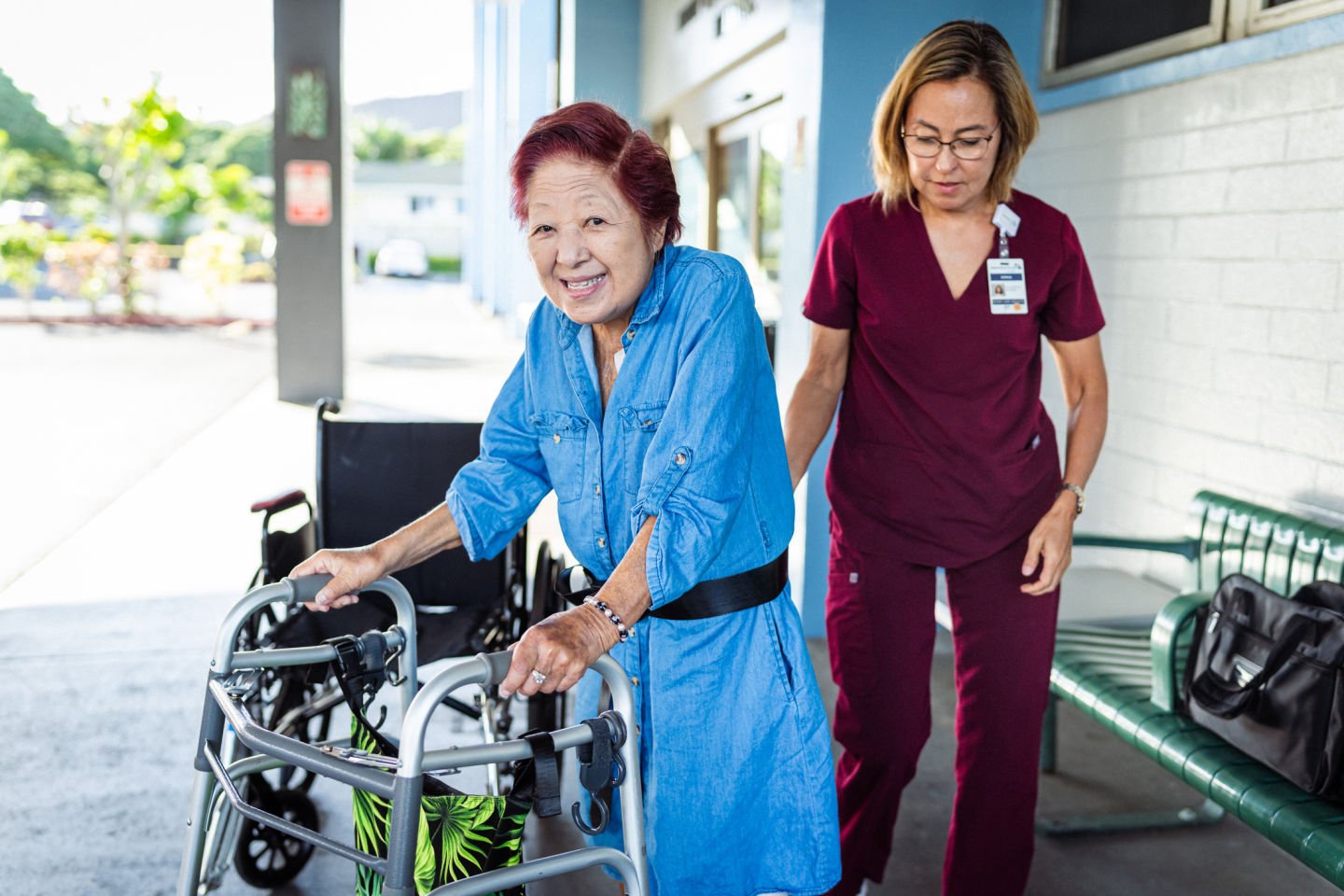
A sweeping new report from FTI Consulting confirms what many families have been feeling for years. Australia’s aged care system is under immense pressure – and the strain is only set to intensify, despite new reforms.
A system close to breaking point?
Australia’s residential aged care facilities are operating with virtually no spare capacity.
According to the December 2024 Aged Care Financial Performance Survey, national aged care occupancy has reached 94%. That might seem to imply spare beds, but many of those beds are unavailable due to staff shortages, refurbishments, or being located in regions where demand is low and travel distances are high.
While need grows rapidly, supply has barely shifted. Between 2020 and 2025, the number of operational aged care places increased by just 3%. Over the same period, the population of Australians aged over 85 – the group most likely to require residential aged care – grew by more than 12%.
Residential places per 1,000 people aged 70 and over have fallen from 76 to 67 in five years.
Building new facilities is not a simple fix but is sorely needed. Development approvals can take five months, followed by six to 12 months of design work. Construction itself may run from 18 months for a small facility to six years for a larger one.
Rising construction costs, tight capital markets, workforce shortages, and regulatory complexity all combine to slow growth even further.
Home care: another long queue
Staying at home for as long as possible is the strong preference of many older Australians. Yet the FTI Consulting report found that older people wait a median of 297 days – almost nine months – for their approved level of home care.
National Seniors Australia (NSA) has called for the wait time for Support at Home to be reduced to three months by 1 January 2027.
But the FTI report notes that as of March 2025, 88,000 older Australians were still waiting at their approved level, and 99% were receiving lower-level care than they had been assessed as needing.
The result is increasing pressure on a system not built to carry such a load, particularly as the new Support at Home Program rolls out.

Hospitals fill the gap
When aged care options are unavailable, hospitals are forced to take the strain.
According to the report, Australians aged 65 and over make up 44% of all hospital admissions and 52% of total patient days. Those aged 85 and over represent just 2.1% of the population but account for 13% of patient days.
Across the country, hundreds of older patients occupy hospital beds each month simply because they have nowhere else to go. Queensland reported 837 long‑stay older patients in August 2025 – up from just 272 in 2021. NSW recorded more than 1,600 aged care and NDIS patients occupying beds in July 2025, while South Australia reported 280 such cases.
None of this is the fault of older people. They need care, but alternative settings are not available.
The hardest years still ahead
The report warns that Australia has yet to feel the full force of demographic change. The Baby Boomers, born between 1946 and 1964, have not yet reached the age when most people require residential aged care. That tipping point will come over the next decade.
Dementia, a major driver of high‑needs care, is projected to nearly double in prevalence by 2054 in most states. Western Australia is expected to see cases rise from 42,000 today to 87,000 – a 107% increase.
Both residential and home care systems will soon need to support a much larger number of people with far more complex medical and behavioural needs.
Right now, the system is not ready.
If you are planning ahead for aged care for yourself or a family member, start early. To stay up to date, join NSA’s Your Care, Your Rights campaign here.
This article is based on Unlocking Capacity: How Health and Aged Care Must Work Together as Australia’s Population Ages – Part one published by FTI Consulting


Thousands of Australia-wide discounts
Exclusive offers and savings across dining, shopping, gift cards, and more – all in the EAT | PLAY | SAVE app.

Members save 10% on Travel Insurance*
National Seniors members receive a 10% discount on travel insurance policies*.

Financial Information Consultant
Speak to a real person and receive up-to-date information on retirement planning, superannuation, and more!

Branches
Expand your social circle, enjoy social events, day trips, guest speakers, and meet like-minded members.

Exclusive Travel Discounts
Save on tours, cruises, and holidays with exclusive discounts on National Seniors Travel.

Our Generation Digital Magazine
Receive a yearly subscription to Our Generation Digital Magazine.

The Good Guys Commercial
Members enjoy exclusive access to The Good Guys Corporate Benefits. Save on small and large appliances as well as technology.

Advocacy & Research
Your membership directly funds our advocacy and research work fighting issues that affect you.

Competitions
Access exclusive member-only weekly competitions including books, DVDs, CDs, movie tickets and more.

Discounts
In addition to the discounts app, members can save thousands on eGift Cards and other discounted products.
*The discount applies to the total National Seniors travel insurance premium and is for National Seniors Australia members only. Discounts do not apply to the rate of GST and stamp duty or any changes you make to the policy. AGA has the discretion to withdraw or amend this discount offer at any time. This discount cannot be used in conjunction with any other promotional offer or discount.
National Seniors Australia Ltd ABN 89 050 523 003, AR 282736, is an authorised representative of AWP Australia Pty Ltd, ABN 52 097 227 177, AFSL 245631, trading as Allianz Global Assistance (AGA), and acts as AGA's agent and not as your agent. nib Travel Services (Australia) Pty Ltd (nib), ABN 81 115 932 173, AFSL 308461 acts as third party administrator on behalf of AGA, managing claims, complaints, enquiries and sales. This is general advice only. Before you buy, you should consider whether the product is appropriate for you, the Product Disclosure Statement (PDS), Financial Services Guide (FSG) and Target Market Determination (TMD) is available from us. This insurance is underwritten by Pacific International Insurance Pty Ltd, ABN 83 169 311 193, AFSL 523921.