Is kindness a cure for our sick health system?
At Christmas, we’re encouraged to be kind to each other. A group of medical professionals suggests kindness can work wonders all year round.
A case study in kindness
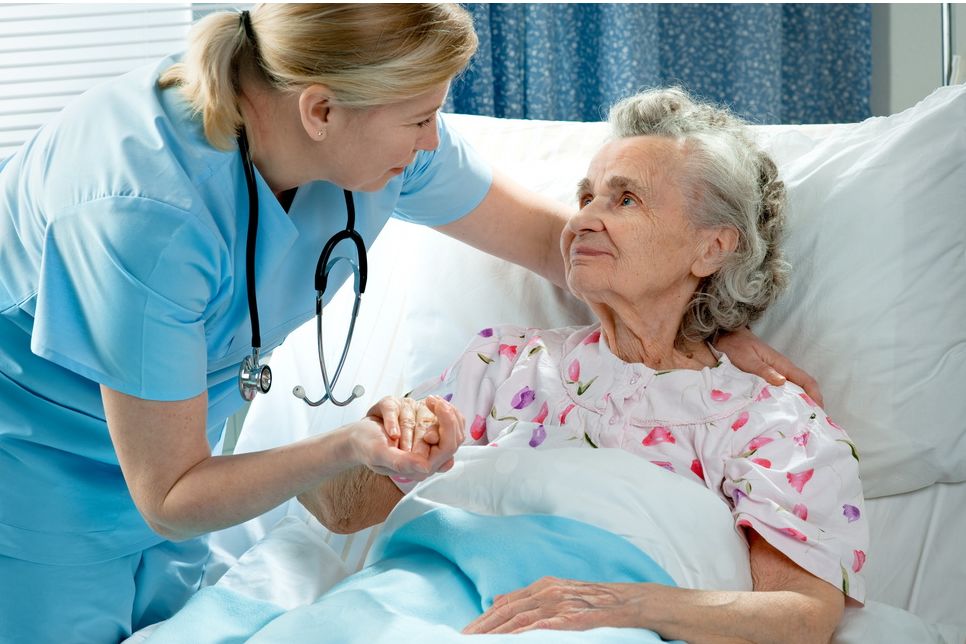
Professor Catherine Crock tells the story of when she was looking after children with leukaemia about 30 years ago.
“When I talked with the families about how difficult their long journeys were, I kept hearing that while they were very grateful for the amazing medical care, the kindness and respect with which they could be treated made a really big difference,” she said.
“The families talked about how the hospital environment was so challenging and threatening for them, particularly when they’re vulnerable and scared and have a sick child or relative.”
Professor Crock asked some musicians to compose music aimed at providing a soothing backdrop to hospital and clinics. Her aim of reducing the stress and anxiety for patients and families worked, but there was another effect too.
“I quite quickly realised that this was impacting staff as well. So, it had me thinking, when you’re working in healthcare and stressed on a daily basis, could the atmosphere improve things for staff as well as their patients?”
The news seems to be full of stories of violence, abuse, and staff burnout in healthcare settings, including hospitals.
However, a group of doctors is convinced that many issues for patients and staff in our hospitals can be improved and even solved. With, money? No. With a little kindness!
For a decade these doctors have met at what they call a “gathering of kindness”, to highlight the benefits for patients and healthcare staff and providers of gentler medical care.
The Gathering of Kindness is an initiative led by the Hush Foundation, focusing on transforming healthcare cultures by prioritising kindness, respect, and well-being.
This movement seeks to build and nurture a culture of kindness throughout the healthcare system, recognising that kindness is essential for effective care and collaboration among healthcare professionals.
They seek practical outcomes, including greater collaboration, a reduction in errors, and overall improved quality of care.
University researchers have taken a closer look at the concept, including coming up with a definition of kindness through a structured analysis of published research papers. They found it was action-oriented, positively focused and purposeful in nature.
“The foundation of kindness is civility and choosing actions that show respect, generosity, openness, and inclusion,” said Nicki Macklin, a doctoral candidate in the School of Population Health at the University of Auckland.
“When we get into conflict, which happens a lot in healthcare but also in the wider world, it's a mindset and an approach where you are actively maintaining that other person's respect through the ways you are choosing to respond.”
It’s common to conflate kindness with compassion and empathy.
Macklin says kindness exists regardless of other people’s emotional states and can be taught in medical education.
Empathy is an internal, emotional response of wanting to share another’s feelings or situation, whether suffering or joy, and informs action, rather than being an action itself.
Compassion is responding to others’ suffering with a desire to alleviate that suffering, but that may or may not result in outwards action.
Kindness is a set of actions in response to a desire to help others flourish, informed by either an empathetic response or proactively chosen.
On the flip side, unkindness in healthcare teams – rude manners, and unclear or abrasive communication – has been shown in large studies to be the root cause of three out of four patient harm events in hospital settings.
Macklin says organisations need to create environments and cultures that encourage individuals and teams to sustain kindness, before they can expect it from employees.
Gathering of Kindness founder, Professor Catherine Crock, says kindness behaviour can deliver big gains in the quality and safety of healthcare, with minimal investment, just by everybody focusing on kindness and respect.
“It’s an empowering thing to think that, with kindness and respect between everyone in the system, we can be more productive,” she said.
“Our teams function better. Performance drops off hugely if there is incivility and rudeness – even if patients are rude to the people caring for them – and the safety of patients’ care is reduced.”

Dignity and kindness
It seems the kindness movement is attracting serious academic attention. The Hush Foundation is a partner with universities in a $240,000 Australian Research Council grant titled “Conferring dignity in law and health care”.
This project aims to develop a new and more inclusive concept of dignity and develop a better understanding of the importance of dignity in human rights law and in health care services.
The researchers want to provide concrete guidance for health and aged care services on how they can promote the dignity of all their clients, across healthcare, including in aged care.
Kindness spreads
The Mayo Health System in the United States has its own “Kickstart Kindness” program. Kindness, it says, has increased compassion, empathy, self-esteem – and health outcomes.
It can decrease blood pressure and cortisol, a hormone directly correlated with stress levels. Kindness can positively change your brain by boosting levels of serotonin and dopamine.
These neurotransmitters produce feelings of satisfaction and wellbeing and cause the pleasure and reward centres in your brain to light up. Endorphins, your body’s natural painkiller, also may be released when you show kindness.
As the novelist Henry James said: “Three things in human life are important: the first is to be kind; the second is to be kind; and the third is to be kind.”
Related reading: Gatherings of Kindness, The Australian, University of Auckland




Thousands of Australia-wide discounts
Exclusive offers and savings across dining, shopping, gift cards, and more – all in the EAT | PLAY | SAVE app.

Members save 10% on Travel Insurance*
National Seniors members receive a 10% discount on travel insurance policies*.

Financial Information Consultant
Speak to a real person and receive up-to-date information on retirement planning, superannuation, and more!

Branches
Expand your social circle, enjoy social events, day trips, guest speakers, and meet like-minded members.

Exclusive Travel Discounts
Save on tours, cruises, and holidays with exclusive discounts on National Seniors Travel.

Our Generation Digital Magazine
Receive a yearly subscription to Our Generation Digital Magazine.

The Good Guys Commercial
Members enjoy exclusive access to The Good Guys Corporate Benefits. Save on small and large appliances as well as technology.
Advocacy & Research
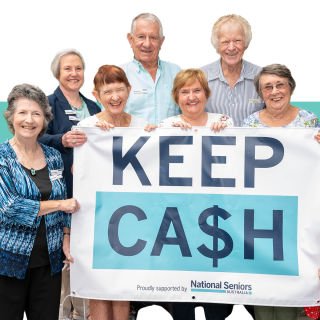
Your membership directly funds our advocacy and research work fighting issues that affect you.

Competitions
Access exclusive member-only weekly competitions including books, DVDs, CDs, movie tickets and more.

Discounts
In addition to the discounts app, members can save thousands on eGift Cards and other discounted products.
*The discount applies to the total National Seniors travel insurance premium and is for National Seniors Australia members only. Discounts do not apply to the rate of GST and stamp duty or any changes you make to the policy. AGA has the discretion to withdraw or amend this discount offer at any time. This discount cannot be used in conjunction with any other promotional offer or discount.
National Seniors Australia Ltd ABN 89 050 523 003, AR 282736, is an authorised representative of AWP Australia Pty Ltd, ABN 52 097 227 177, AFSL 245631, trading as Allianz Global Assistance (AGA), and acts as AGA's agent and not as your agent. nib Travel Services (Australia) Pty Ltd (nib), ABN 81 115 932 173, AFSL 308461 acts as third party administrator on behalf of AGA, managing claims, complaints, enquiries and sales. This is general advice only. Before you buy, you should consider whether the product is appropriate for you, the Product Disclosure Statement (PDS), Financial Services Guide (FSG) and Target Market Determination (TMD) is available from us. This insurance is underwritten by Pacific International Insurance Pty Ltd, ABN 83 169 311 193, AFSL 523921.