Learning to beat Alzheimer’s
It’s never too early to guard against dementia. A new study throws light on what that means.

Focus on cancer survivors
A study in mice suggests a surprising possibility: certain cancers may send a protective signal to the brain that helps clear away the toxic protein linked to Alzheimer’s disease.
It does not mean that having cancer is good, but it does reveal a pathway that scientists might be able to harness more safely.
The study fits with other research suggesting the relationship between cancer and neurodegenerative diseases is more than a statistical quirk.
Large population studies report people with Alzheimer’s are significantly less likely to be diagnosed with cancer, and vice versa, even after accounting for age and other health factors.
A protein that contributes to disease in one organ may be used as a cleanup tool in another, and by understanding these tricks, researchers believe they may be able to use them safely to help protect the ageing human brain.
It boils down to what the researchers call “lifelong learning”.
While other studies have shown the importance that continued physical exercise and mental activity plays in delaying dementia, a study by the Rush University Medical Center in Chicago unpacks what an intellectually stimulating environment looks like.
Those who were found to live such a life are said to be 38% less likely to experience the disease.
Mentally stimulating activities such as reading, writing, and learning a new language hold the secret. And the longer one participates in such lifelong learning, the greater the benefits.
The researchers found that those with the most lifelong learning developed Alzheimer’s disease five years later and developed mild cognitive impairment seven years later than those with the lowest amount of lifelong learning.
“Our findings suggest that cognitive health in later life is strongly influenced by lifelong exposure to intellectually stimulating environments,” study author and neuropsychologist, Dr Andrea Zammit, said.
Other learning activities include reading newspapers, visiting museums, and reading lots of books – all of which help to keep the brain healthy.
The researchers studied 1,939 people with an average age of 80 who did not have dementia at the start of the study and followed them for about eight years.
Asking about their childhoods, researchers looked at whether people had access to encyclopaedias, globes or atlases, and books; whether they were read to or learnt a language; and if their parents were educated and bought newspapers.

In midlife, income level, whether people had reading material, or were a member of a library, and activities such as visiting museums were assessed. Late-life enrichment activities from about the age of 80 included reading, writing, and playing games, including board games.
After adjusting for factors such as age, sex, and education, the study found that people in the top 10% of lifetime cognitive enrichment had a 38% lower risk of Alzheimer’s compared with those in the bottom 10%.
“In this study, we looked at sustained engagement over time – a general pattern of how engaged a person is with these cognitive enriching activities,” Dr Zammit said.
“Daily reading along with other cognitively stimulating experiences fostered from childhood onwards creates an enriching foundation for the future.”
The study found those with higher lifetime enrichment had better memory and thinking skills and slower decline prior to death, even when researchers accounted for brain changes linked to Alzheimer’s, such as the buildup of proteins called amyloid and tau.
The findings have significant public policy implications for the public and private sectors looking to reduce the incidence of dementia.
These include greater community and health investments that expand access to enriching environments, like libraries and early-education programs designed to spark a lifelong love of learning.
Comprehensive information on dementia and Alzheimer’s specifically is available here.
Related reading: Rush, The Australian, Healthdirect



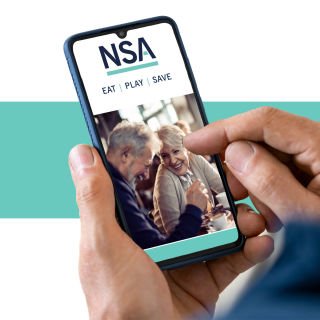
Thousands of Australia-wide discounts
Exclusive offers and savings across dining, shopping, gift cards, and more – all in the EAT | PLAY | SAVE app.

Members save 10% on Travel Insurance*
National Seniors members receive a 10% discount on travel insurance policies*.

Financial Information Consultant
Speak to a real person and receive up-to-date information on retirement planning, superannuation, and more!

Branches
Expand your social circle, enjoy social events, day trips, guest speakers, and meet like-minded members.

Exclusive Travel Discounts
Save on tours, cruises, and holidays with exclusive discounts on National Seniors Travel.

Our Generation Digital Magazine
Receive a yearly subscription to Our Generation Digital Magazine.

The Good Guys Commercial
Members enjoy exclusive access to The Good Guys Corporate Benefits. Save on small and large appliances as well as technology.
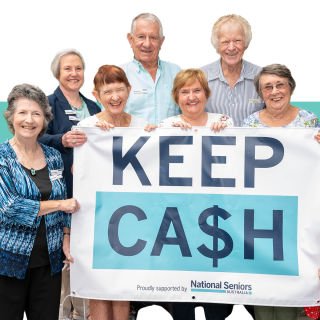
Advocacy & Research
Your membership directly funds our advocacy and research work fighting issues that affect you.

Competitions
Access exclusive member-only weekly competitions including books, DVDs, CDs, movie tickets and more.

Discounts
In addition to the discounts app, members can save thousands on eGift Cards and other discounted products.
*The discount applies to the total National Seniors travel insurance premium and is for National Seniors Australia members only. Discounts do not apply to the rate of GST and stamp duty or any changes you make to the policy. AGA has the discretion to withdraw or amend this discount offer at any time. This discount cannot be used in conjunction with any other promotional offer or discount.
National Seniors Australia Ltd ABN 89 050 523 003, AR 282736, is an authorised representative of AWP Australia Pty Ltd, ABN 52 097 227 177, AFSL 245631, trading as Allianz Global Assistance (AGA), and acts as AGA's agent and not as your agent. nib Travel Services (Australia) Pty Ltd (nib), ABN 81 115 932 173, AFSL 308461 acts as third party administrator on behalf of AGA, managing claims, complaints, enquiries and sales. This is general advice only. Before you buy, you should consider whether the product is appropriate for you, the Product Disclosure Statement (PDS), Financial Services Guide (FSG) and Target Market Determination (TMD) is available from us. This insurance is underwritten by Pacific International Insurance Pty Ltd, ABN 83 169 311 193, AFSL 523921.