New hope for reversal of Alzheimer’s
A groundbreaking treatment has helped mice restore their memory loss and is undergoing further trials.

Scientists have made an exciting discovery that could one day transform how we treat Alzheimer’s disease.
A compound called P7C3-A20 has shown remarkable results in reversing memory loss and brain damage in mice with advanced Alzheimer’s-like symptoms.
In the study, older mice with severe memory problems were given P7C3-A20 for six months. By the end of the treatment, these mice could remember and learn almost as well as healthy mice. Even more impressive, their brains showed signs of repair, with better blood flow, reduced inflammation, and stronger connections between brain cells.
Neuroscientist and psychiatrist, Andrew Pieper, from Case Western Reserve University in Cleveland, Ohio, said he and other researchers are “very excited and encouraged by our results”.
So, how does it work? Alzheimer’s disease is linked to a drop in a vital molecule called NAD+, which helps brain cells produce energy and stay healthy.
P7C3-A20 boosts NAD+ levels, giving brain cells the energy they need to survive and function. This approach is different from traditional treatments that focus only on removing plaques or tangles in the brain. Instead, it helps the brain heal itself.

Researchers also looked at human brain tissue and found similar NAD+ problems in people with Alzheimer’s. This means the treatment could potentially work in humans too.
However, it’s important to note that P7C3-A20 is still in the early stages of research. No human trials have started yet, but plans are underway.
Why is this so exciting? For decades, Alzheimer’s treatments have mostly aimed at slowing the disease, not reversing it.
If P7C3-A20 works in people as it does in mice, it could offer real hope for restoring memory and independence, even in later stages of the disease.
Clinical trials will take time, and researchers must ensure the treatment is safe and effective for humans. But this discovery marks a big step forward and gives us reason to be optimistic.
For now, the best advice remains the same: stay active, eat well, and keep your brain engaged.
But keep an eye on this research, too.
“The key takeaway is a message of hope,” Dr Pieper said. “The effects of Alzheimer’s disease may not be inevitably permanent.
“The damaged brain can, under some conditions, repair itself and regain function.”
Related reading: Science Alert, National Library of Medicine, Science Direct

Disclaimer: This article is for information purposes only and should not be considered medical advice. Consult a healthcare professional about any health concerns or before making any changes to your medication, diet, or exercise routine.


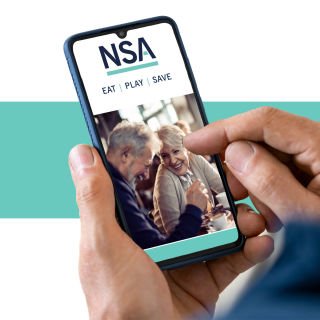
Thousands of Australia-wide discounts
Exclusive offers and savings across dining, shopping, gift cards, and more – all in the EAT | PLAY | SAVE app.

Members save 10% on Travel Insurance*
National Seniors members receive a 10% discount on travel insurance policies*.

Financial Information Consultant
Speak to a real person and receive up-to-date information on retirement planning, superannuation, and more!

Branches
Expand your social circle, enjoy social events, day trips, guest speakers, and meet like-minded members.

Exclusive Travel Discounts
Save on tours, cruises, and holidays with exclusive discounts on National Seniors Travel.
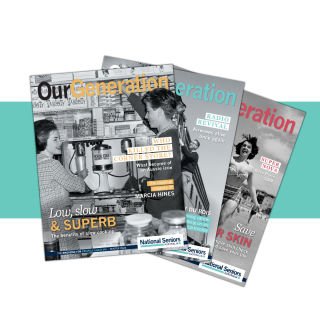
Our Generation Digital Magazine
Receive a yearly subscription to Our Generation Digital Magazine.

The Good Guys Commercial
Members enjoy exclusive access to The Good Guys Corporate Benefits. Save on small and large appliances as well as technology.

Advocacy & Research
Your membership directly funds our advocacy and research work fighting issues that affect you.

Competitions
Access exclusive member-only weekly competitions including books, DVDs, CDs, movie tickets and more.

Discounts
In addition to the discounts app, members can save thousands on eGift Cards and other discounted products.
*The discount applies to the total National Seniors travel insurance premium and is for National Seniors Australia members only. Discounts do not apply to the rate of GST and stamp duty or any changes you make to the policy. AGA has the discretion to withdraw or amend this discount offer at any time. This discount cannot be used in conjunction with any other promotional offer or discount.
National Seniors Australia Ltd ABN 89 050 523 003, AR 282736, is an authorised representative of AWP Australia Pty Ltd, ABN 52 097 227 177, AFSL 245631, trading as Allianz Global Assistance (AGA), and acts as AGA's agent and not as your agent. nib Travel Services (Australia) Pty Ltd (nib), ABN 81 115 932 173, AFSL 308461 acts as third party administrator on behalf of AGA, managing claims, complaints, enquiries and sales. This is general advice only. Before you buy, you should consider whether the product is appropriate for you, the Product Disclosure Statement (PDS), Financial Services Guide (FSG) and Target Market Determination (TMD) is available from us. This insurance is underwritten by Pacific International Insurance Pty Ltd, ABN 83 169 311 193, AFSL 523921.