Spring into Chinese New Year
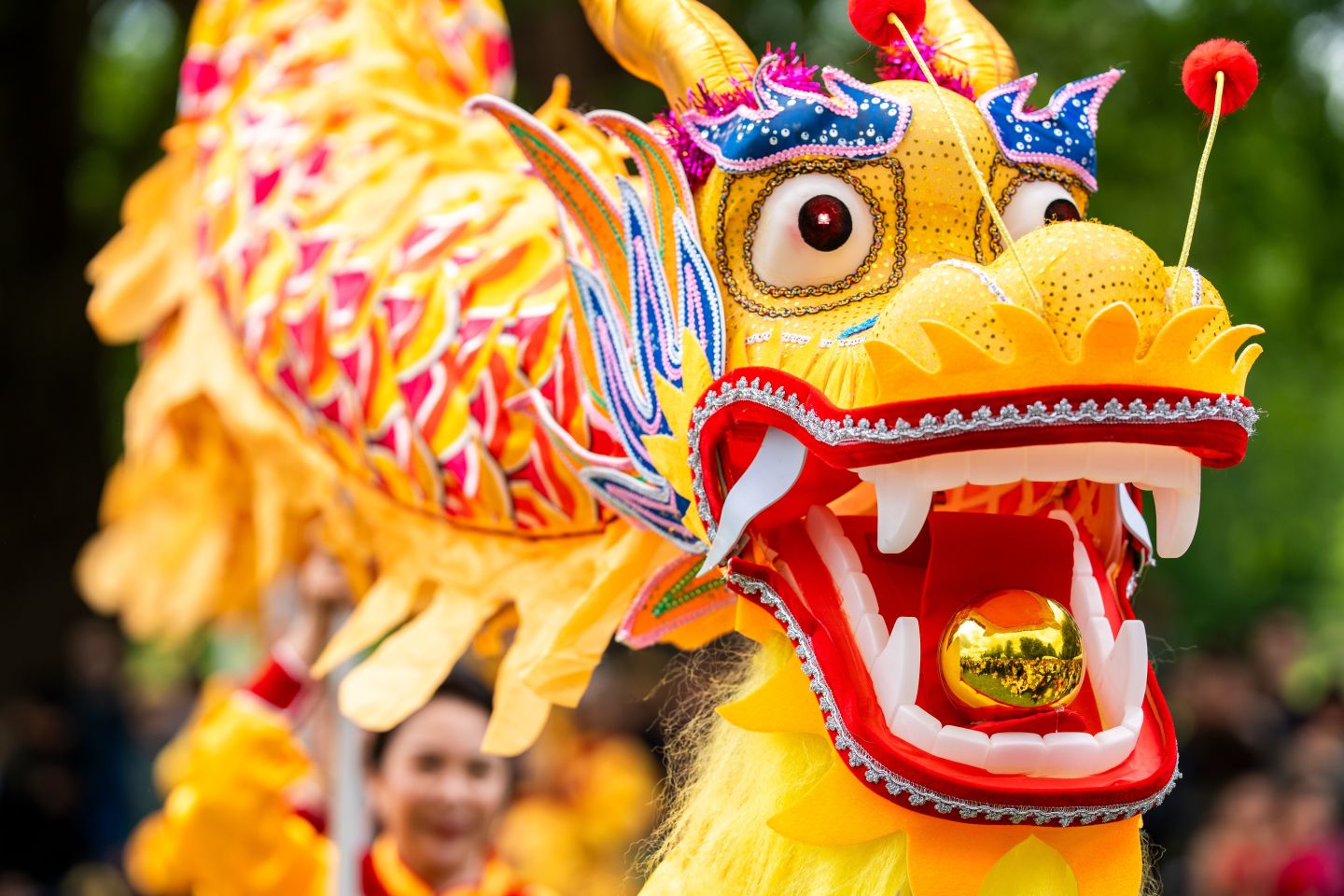
From dragon dances to the distribution of money in red envelopes, this festival is steeped in tradition.
Year of the Horse highlights
The Spring Festival for 2026 begins on 17 February and finishes on 3 March.
It’s a big deal in Sydney, where Lunar Festival celebrations will run from 14 February to 1 March.
Perth will hold its Under the Red Lanterns event on 14 February, Brisbane will play host to the BrisAsia Festival from 13-22 February, Adelade will celebrate with a street party on 21 February, and Melbourne has its Chinese Lunar New Year Festival on 22 February.
Many other events will be held across the country at various times in late February and early March.
Chinese New Year, also known as the Spring Festival, is the most important traditional holiday in China and is celebrated by hundreds of millions of people worldwide.
It marks the beginning of the lunar new year, which typically falls between 21 January and 20 February depending on the lunar calendar. The festival lasts about 15 days, culminating in the Lantern Festival.
Preparations begin weeks in advance with house cleaning, which symbolises the removal of bad luck and welcomes good fortune. Families decorate their homes with red paper cuttings and lanterns, as red is the colour traditionally associated with happiness and protection against evil spirits.
The highlight for many who celebrate is a reunion dinner on New Year’s Eve, where families gather to share symbolic dishes. Fish represents abundance, while dumplings signify wealth.
Another cherished custom is giving red envelopes (hongbao) filled with money, especially to children, as a gesture of blessing and prosperity.
Fireworks and lion and dragon dances are common sights, as they are believed to ward off evil and bring luck. The festival ends with the Lantern Festival, where people release lanterns into the sky or float them on water, symbolising hope and renewal.

Chinese New Year also ushers in a new animal sign from the Chinese zodiac, a 12-year cycle featuring Rat, Ox, Tiger, Rabbit, Dragon, Snake, Horse, Goat, Monkey, Rooster, Dog, and Pig. Each sign is associated with specific traits and fortunes.
For example, the Dragon, considered the most auspicious sign, symbolises strength, success, and vitality. People born in Dragon years are thought to be ambitious and charismatic.
The zodiac system also incorporates the Five Elements – Wood, Fire, Earth, Metal, and Water – creating a 60-year cycle that is said to influence personality and destiny.
Astrology plays a significant role in cultural practices, from choosing wedding dates to business decisions, as many people believe that aligning with favourable zodiac signs brings harmony and prosperity.
This will be the Year of the Fire Horse, combining the Horse’s natural vigour with the dynamic influence of the Fire element.
The Horse is the seventh sign in the 12-year cycle, symbolising energy, independence, and adventure.
The Fire element adds intensity and passion, making Fire Horse years rare and powerful. The last occurred in 1966.
Zodiac traits for Fire Horses include charisma, enthusiasm, boldness, and potential impulsiveness.





Thousands of Australia-wide discounts
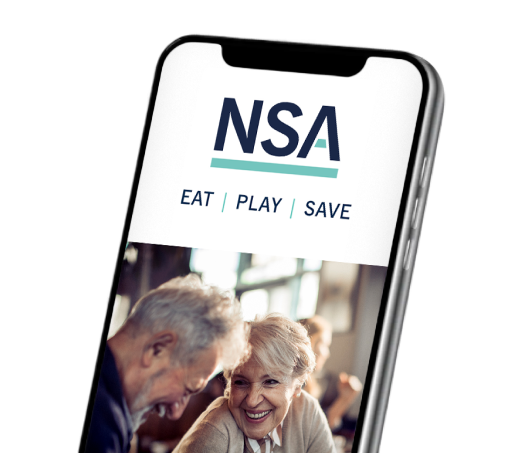
Exclusive offers and savings across dining, shopping, gift cards, and more – all in the EAT | PLAY | SAVE app.

Members save 10% on Travel Insurance*
National Seniors members receive a 10% discount on travel insurance policies*.

Financial Information Consultant
Speak to a real person and receive up-to-date information on retirement planning, superannuation, and more!

Branches
Expand your social circle, enjoy social events, day trips, guest speakers, and meet like-minded members.

Exclusive Travel Discounts
Save on tours, cruises, and holidays with exclusive discounts on National Seniors Travel.
Our Generation Digital Magazine
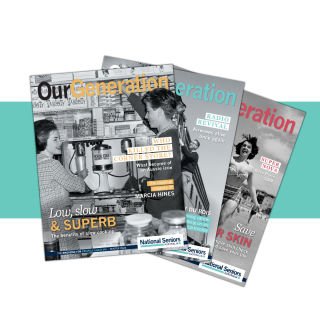
Receive a yearly subscription to Our Generation Digital Magazine.

The Good Guys Commercial
Members enjoy exclusive access to The Good Guys Corporate Benefits. Save on small and large appliances as well as technology.
Advocacy & Research
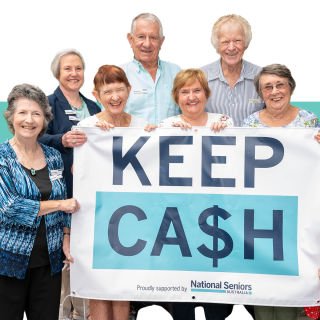
Your membership directly funds our advocacy and research work fighting issues that affect you.

Competitions
Access exclusive member-only weekly competitions including books, DVDs, CDs, movie tickets and more.

Discounts
In addition to the discounts app, members can save thousands on eGift Cards and other discounted products.
*The discount applies to the total National Seniors travel insurance premium and is for National Seniors Australia members only. Discounts do not apply to the rate of GST and stamp duty or any changes you make to the policy. AGA has the discretion to withdraw or amend this discount offer at any time. This discount cannot be used in conjunction with any other promotional offer or discount.
National Seniors Australia Ltd ABN 89 050 523 003, AR 282736, is an authorised representative of AWP Australia Pty Ltd, ABN 52 097 227 177, AFSL 245631, trading as Allianz Global Assistance (AGA), and acts as AGA's agent and not as your agent. nib Travel Services (Australia) Pty Ltd (nib), ABN 81 115 932 173, AFSL 308461 acts as third party administrator on behalf of AGA, managing claims, complaints, enquiries and sales. This is general advice only. Before you buy, you should consider whether the product is appropriate for you, the Product Disclosure Statement (PDS), Financial Services Guide (FSG) and Target Market Determination (TMD) is available from us. This insurance is underwritten by Pacific International Insurance Pty Ltd, ABN 83 169 311 193, AFSL 523921.