Would you ride in a driverless cab?
The technology is in place, but humans may not yet be ready to surrender control of vehicles to computers.
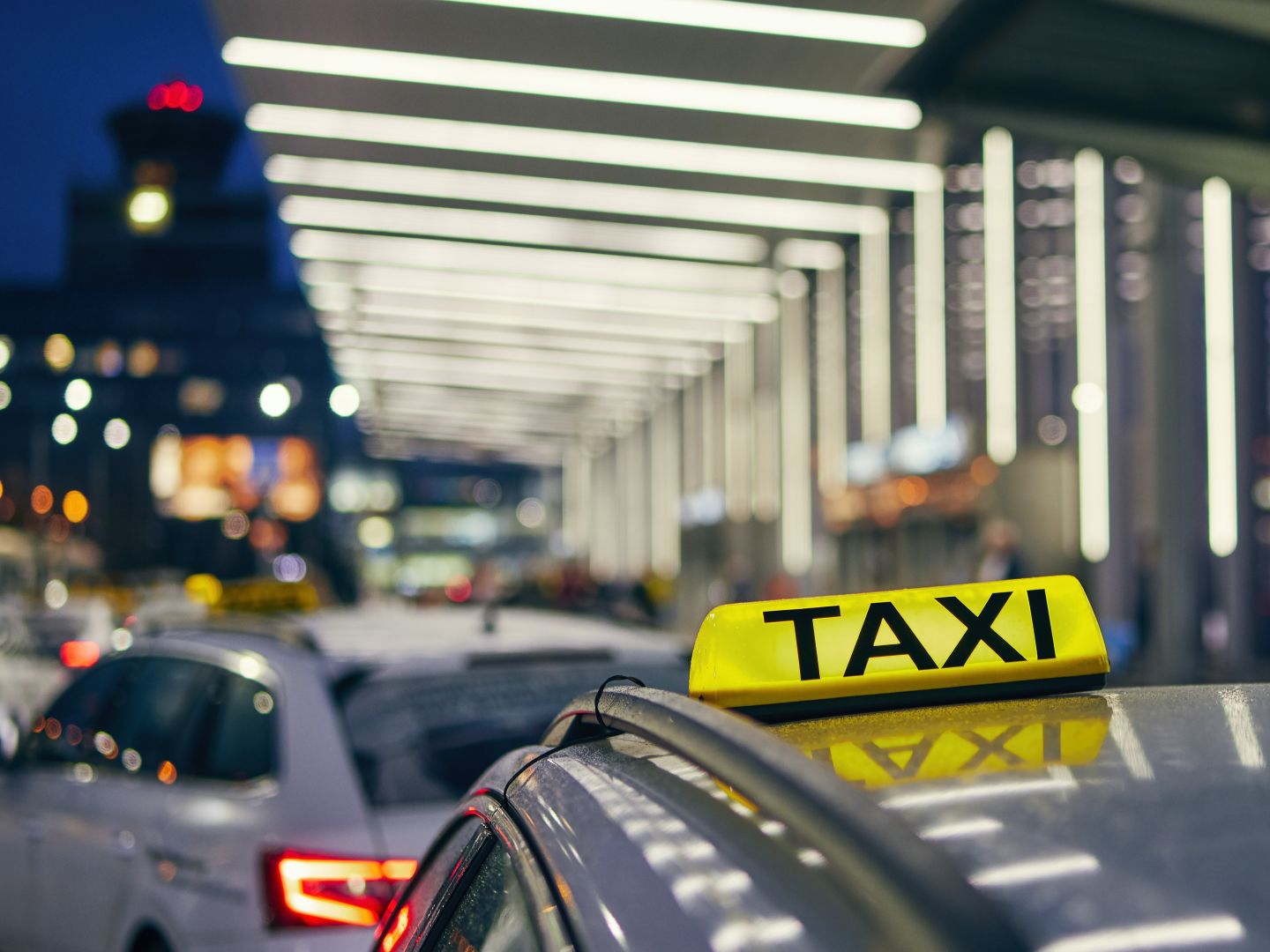
The driverless car was supposed to be just around the corner. For years, we were told autonomous vehicles (AVs) would soon be whisking us to the shops, medical appointments, and family visits without anyone at the wheel.
The reality has been slower, and more cautious, than the headlines promised.
In the United Kingdom, fully self-driving vehicles were once expected on public roads by 2026, after the Automated Vehicles Act became law in 2024. But the rollout has now been pushed back to the second half of 2027 while regulators work through safety, insurance and liability rules.
Australia is on a similar path: automated vehicles are being trialled here, but they are not yet commercially available for general use on public roads.
That delay may disappoint technology enthusiasts, but it is not necessarily bad news. A driverless car must do more than follow lane markings on a sunny day. It must cope with roadworks, emergency vehicles, cyclists, pedestrians, poor weather, confusing signs, and unpredictable human drivers.
Australia’s National Transport Commission says new laws are needed before vehicles that can drive themselves without human input can operate safely and legally here.
For older Australians, the promise is attractive. A safe, reliable robotaxi could help people who no longer drive maintain their independence – getting to the GP, visiting friends, or attending community events without relying on family or scarce local transport.
RoboTaxis Australia, which tracks the industry locally, rates Australia as “not ready” for commercial launch, with no commercial approvals yet and only limited trials, but says progress is expected between now and 2028.

Overseas, the technology is already more visible. Waymo says its driverless vehicles have recorded large reductions in injury crashes compared with human drivers in the American cities where it operates.
In the United Arab Emirates, governments are pushing hard, with ambitions for a significant share of trips in Dubai and Abu Dhabi to be driverless in coming years.
But the safety story is not all smooth driving. Recent reports from the United States have described recalls and incidents involving autonomous vehicles entering construction zones or struggling with unusual road conditions.
These examples do not mean the technology is unsafe overall, but they do show why regulators are moving carefully.
There is also the question of trust. Many cars already have driver-assistance features such as lane keeping, adaptive cruise control, and parking aids. But those systems still require a human driver to stay alert and in control.
A true autonomous vehicle is different: the onboard software takes over the whole driving task under approved conditions.
Another issue is not just whether autonomous vehicles are safer overall, but whether we are willing to accept the kinds of mistakes they make.
MIT’s Moral Machine project asked people around the world to consider difficult “lesser of two evils” scenarios involving driverless cars — for example, whether a vehicle should protect its passengers or avoid pedestrians if a crash is unavoidable.
The research highlighted how moral expectations vary across cultures and individuals, and why regulators cannot leave these decisions entirely to engineers or car companies.
MIT’s related work on the ethics of autonomous vehicles notes that, while AVs may reduce crashes overall, rare unavoidable accidents raise hard questions about how machines should be programmed to respond.
This may be one of the biggest barriers to public trust. Human drivers make terrible decisions every day – speeding, misjudging gaps, becoming distracted or driving while tired – and we often accept those errors as part of ordinary life.
But when a robot makes a bad decision, even rarely, it can feel colder and less forgivable.
If an autonomous vehicle causes fewer crashes than humans overall, but one day chooses a course of action we find morally troubling, will we judge it by statistics or by instinct?
That is the question facing governments, manufacturers, and passengers alike: are we prepared to trust a machine that may be safer on average, but still capable of making mistakes no human would want to own?
So, would you feel safe climbing into a car with no driver?
Perhaps the answer depends on where it is going, how well it has been tested, and whether you know who is responsible if something goes wrong.
This technology has been a long time coming. Even when it arrives, will we be truly ready for it?
Related reading: NTC, Department of Infrastructure, Waymo, RoboTaxis Australia, UK Government, Fox News, MIT





Thousands of Australia-wide discounts
Exclusive offers and savings across dining, shopping, gift cards, and more – all in the EAT | PLAY | SAVE app.

Members save 10% on Travel Insurance*
National Seniors members receive a 10% discount on travel insurance policies*.

Financial Information Consultant
Speak to a real person and receive up-to-date information on retirement planning, superannuation, and more!

Branches
Expand your social circle, enjoy social events, day trips, guest speakers, and meet like-minded members.

Exclusive Travel Discounts
Save on tours, cruises, and holidays with exclusive discounts on National Seniors Travel.

Our Generation Digital Magazine
Receive a yearly subscription to Our Generation Digital Magazine.

The Good Guys Commercial
Members enjoy exclusive access to The Good Guys Corporate Benefits. Save on small and large appliances as well as technology.

Advocacy & Research
Your membership directly funds our advocacy and research work fighting issues that affect you.

Competitions
Access exclusive member-only weekly competitions including books, DVDs, CDs, movie tickets and more.

Discounts
In addition to the discounts app, members can save thousands on eGift Cards and other discounted products.
*The discount applies to the total National Seniors travel insurance premium and is for National Seniors Australia members only. Discounts do not apply to the rate of GST and stamp duty or any changes you make to the policy. AGA has the discretion to withdraw or amend this discount offer at any time. This discount cannot be used in conjunction with any other promotional offer or discount.
National Seniors Australia Ltd ABN 89 050 523 003, AR 282736, is an authorised representative of AWP Australia Pty Ltd, ABN 52 097 227 177, AFSL 245631, trading as Allianz Global Assistance (AGA), and acts as AGA's agent and not as your agent. nib Travel Services (Australia) Pty Ltd (nib), ABN 81 115 932 173, AFSL 308461 acts as third party administrator on behalf of AGA, managing claims, complaints, enquiries and sales. This is general advice only. Before you buy, you should consider whether the product is appropriate for you, the Product Disclosure Statement (PDS), Financial Services Guide (FSG) and Target Market Determination (TMD) is available from us. This insurance is underwritten by Pacific International Insurance Pty Ltd, ABN 83 169 311 193, AFSL 523921.