Cereal or supplement?
While supplements can form part of a healthy diet, sometimes they don’t deliver what they promise.
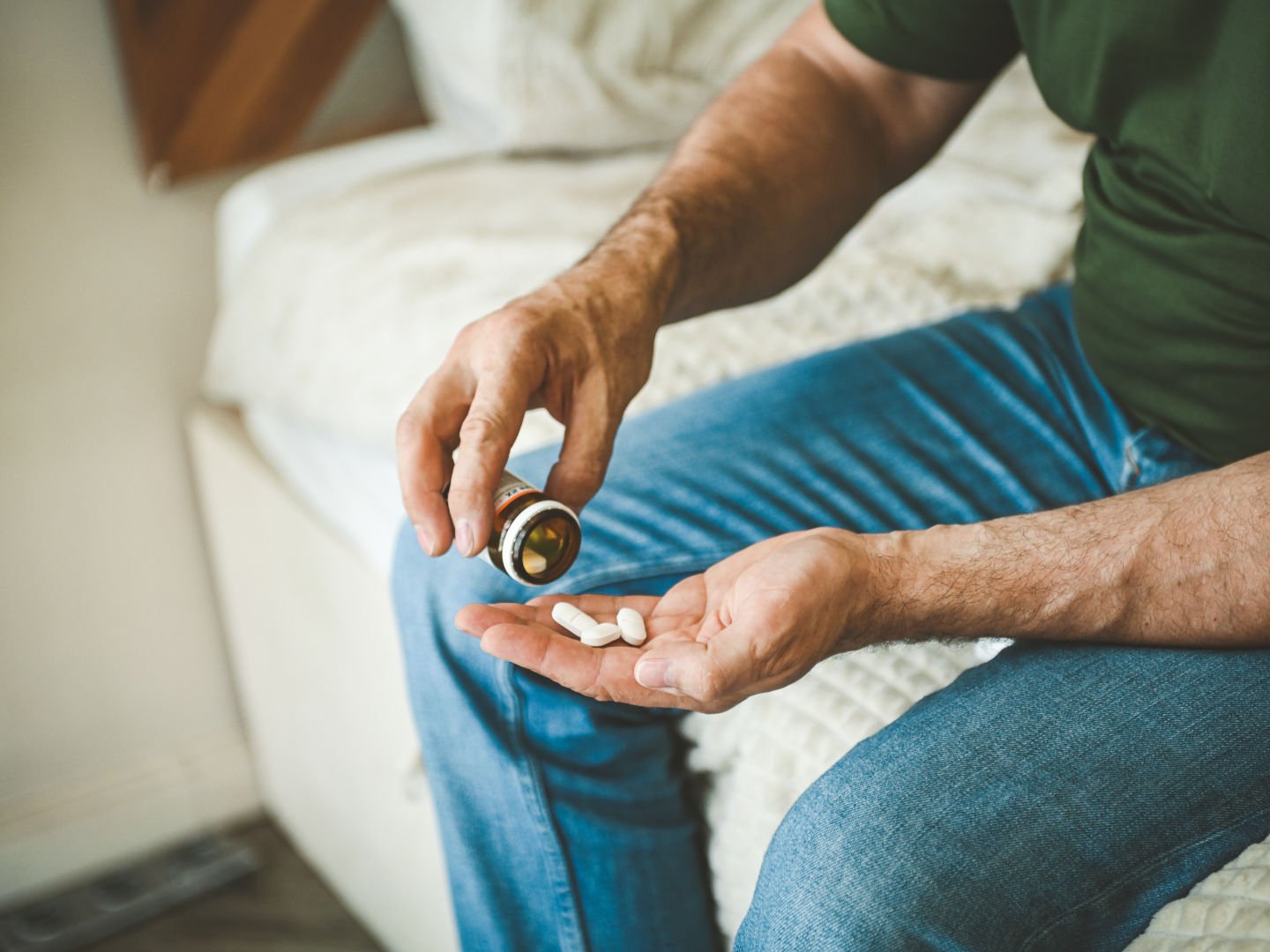
Many older Australians rely on supplements to maintain their health, but recent warnings suggest it’s time to take a closer look at what’s really in those bottles.
Experts have found that some iron supplements on the market contain only tiny amounts of elemental iron – sometimes no more than what you’d get from a slice of bread or a bowl of cereal. Despite this, they’re often marketed as solutions for serious conditions such as iron-deficiency anaemia, which can leave people feeling fatigued and unwell.
This is particularly concerning for older adults, who are more likely to experience nutrient deficiencies and may assume that a supplement will fix the problem.
If you have anaemia, you may need 100 to 200 milligrams of elemental iron each day to restore healthy levels. Yet many products sold in pharmacies and supermarkets contain as little as five milligrams, making them virtually ineffective for treating the condition.
The problem is compounded by confusing labels and the fact that many of these products are “listed” rather than “registered” with the Therapeutic Goods Administration, meaning they haven’t undergone rigorous testing for efficacy.
The takeaway is simple: don’t assume that a supplement will do what it promises.
Always check the label for the actual amount of active ingredient, and talk to your doctor or pharmacist before starting anything new.

A health professional can help you choose a product that meets your needs and ensure it won’t interact with any medications you’re already taking.
This advice doesn’t just apply to iron. Many supplements make bold claims without delivering meaningful benefits, and some can even cause harm if combined with prescription drugs.
Whenever possible, aim to get your nutrients from food first. Whole foods provide a balance of vitamins and minerals that supplements can’t replicate.
If you suspect a deficiency, ask for a blood test before spending money on pills that may not help. And if you do need a supplement, choose one backed by evidence and regulated for quality.
In short, supplements can play a role in supporting health, but only when used wisely. For older Australians, that means being informed, asking questions, and making decisions based on facts rather than marketing.
A little caution now can save you money, and protect your health, in the long run.
Related reading: The Guardian, Health Direct
Disclaimer: This article is for information purposes only and should not be considered medical advice. Consult a healthcare professional about any health concerns or before making any changes to your medication, diet, or exercise routine.



Thousands of Australia-wide discounts
Exclusive offers and savings across dining, shopping, gift cards, and more – all in the EAT | PLAY | SAVE app.
Members save 10% on Travel Insurance*
National Seniors members receive a 10% discount on travel insurance policies*.

Financial Information Consultant
Speak to a real person and receive up-to-date information on retirement planning, superannuation, and more!
Branches
Expand your social circle, enjoy social events, day trips, guest speakers, and meet like-minded members.

Exclusive Travel Discounts
Save on tours, cruises, and holidays with exclusive discounts on National Seniors Travel.
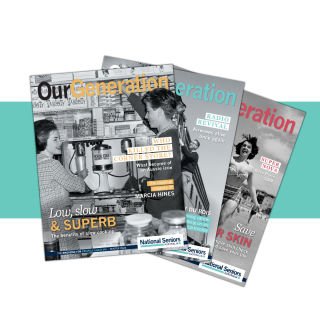
Our Generation Digital Magazine
Receive a yearly subscription to Our Generation Digital Magazine.

The Good Guys Commercial
Members enjoy exclusive access to The Good Guys Corporate Benefits. Save on small and large appliances as well as technology.
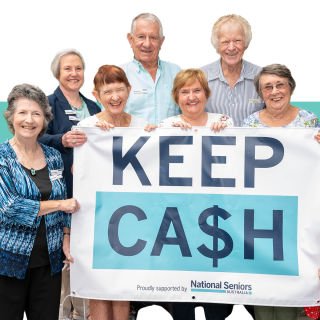
Advocacy & Research
Your membership directly funds our advocacy and research work fighting issues that affect you.

Competitions
Access exclusive member-only weekly competitions including books, DVDs, CDs, movie tickets and more.

Discounts
In addition to the discounts app, members can save thousands on eGift Cards and other discounted products.
*The discount applies to the total National Seniors travel insurance premium and is for National Seniors Australia members only. Discounts do not apply to the rate of GST and stamp duty or any changes you make to the policy. AGA has the discretion to withdraw or amend this discount offer at any time. This discount cannot be used in conjunction with any other promotional offer or discount.
National Seniors Australia Ltd ABN 89 050 523 003, AR 282736, is an authorised representative of AWP Australia Pty Ltd, ABN 52 097 227 177, AFSL 245631, trading as Allianz Global Assistance (AGA), and acts as AGA's agent and not as your agent. nib Travel Services (Australia) Pty Ltd (nib), ABN 81 115 932 173, AFSL 308461 acts as third party administrator on behalf of AGA, managing claims, complaints, enquiries and sales. This is general advice only. Before you buy, you should consider whether the product is appropriate for you, the Product Disclosure Statement (PDS), Financial Services Guide (FSG) and Target Market Determination (TMD) is available from us. This insurance is underwritten by Pacific International Insurance Pty Ltd, ABN 83 169 311 193, AFSL 523921.