Stone skimming rocked by scandal
Nothing is safe when even a simple, joyful, well-loved game is rorted.
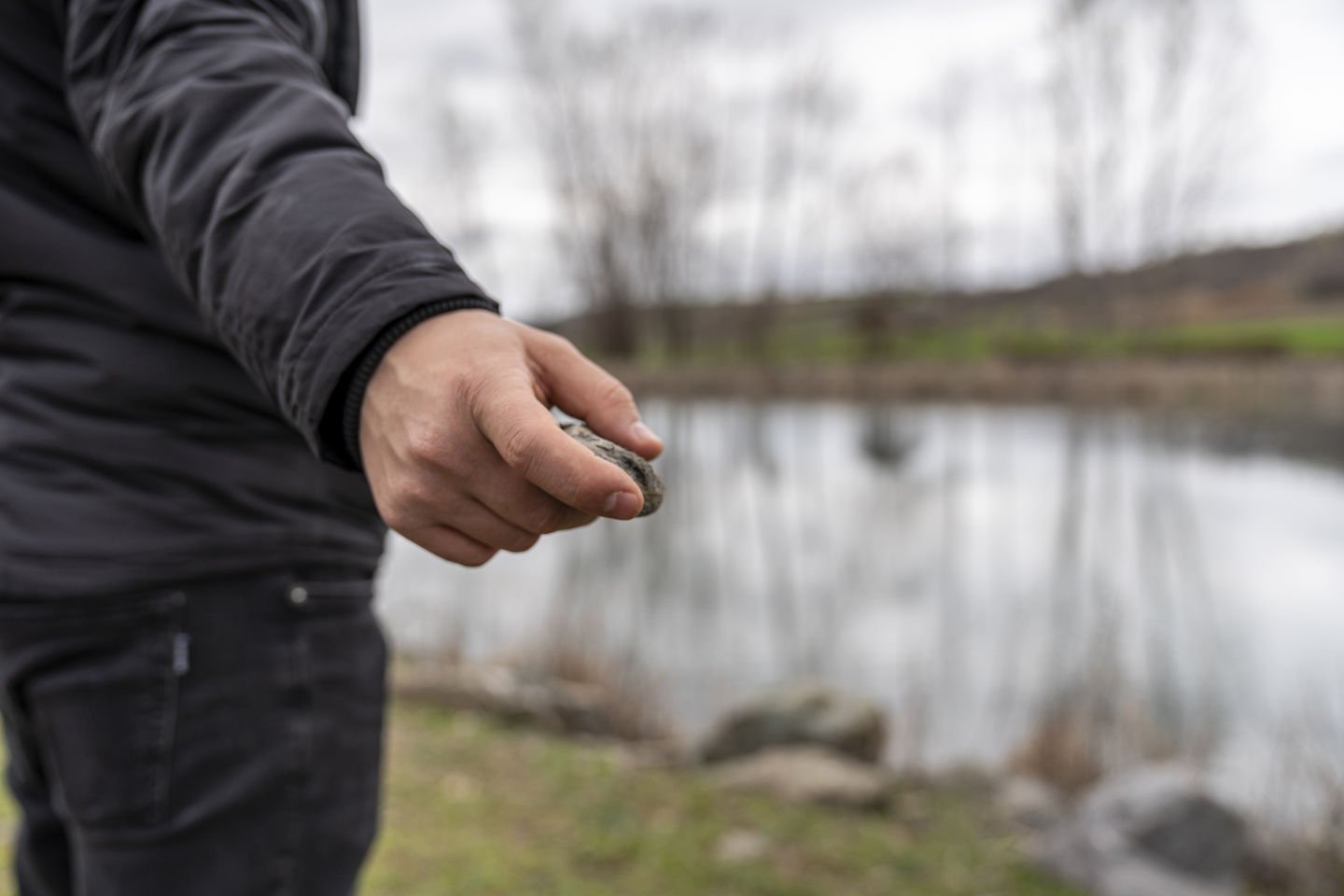
Passed down from grandparent to grandchild, skipping stones across water is a bond-creating rite-of-passage for the generations.
The grandparent teaches the essentials – angle, weight, velocity, shape, wind allowance – while the child learns the non-negotiable morality that the stone must come from the shore, skip so many times, and go the required distance.
So, news that the annual World Stone Skimming Championship, a usually peaceful event off the coast of Scotland, was rocked by cheating. Yes, age-old moral foundations were indeed shaken.
Held on the island of Easdale, population of about 60 people, the contest has simple rules: stones must come from the local quarry, be no larger than three inches (7.6cm), and bounce at least twice before sinking.
There are no cash prizes, no sponsorships – just a trophy and bragging rights, and for nanna and pop competitors, the adoration of the grandkids.
And yes, over-60s (men and women) have their own category with the opportunity to be crowned “Old Tosser”.
Skullduggery was detected when judges, led by Toss Master, Kyle Matthews, noticed some stones were far too smooth, with edges that suggested a “DIY sanding project” rather than “honest lump of island slate”.

Dr Matthews said the judges heard “rumours and murmurings of some nefarious deeds”.
“There was a little bit of stone doctoring,” he said. “They had shaped it so that it was perfectly circular and fitted our three-inch measurer.”
The dastardly cheaters owned up, apologised, and were promptly disqualified – presumably sent home to think about what they’d done.
Grandparents spent the rest of the day counselling their grandchildren about the horrors of dishonesty in stone-skimming.
By the way, Jonathan Jennings went on to victory as the contest's first American winner, skimming his stones a cumulative distance of 177 metres.
But I hear you object, one does not skim stones but rather skips them. So, here is some vital information for the educational and moral uplifting or your young charges:
Stone skipping and stone skimming both involve throwing flat stones across water to bounce, but they differ primarily in their competitive goals and regional terminology.
Stone skipping refers to maximising the number of bounces, while stone skimming measures the total distance travelled. I didn’t know that.
How it all works
Each competitor is allowed three skims, and for a skim to qualify, the stone must bounce at least twice before sinking. The distance achieved is then measured and judged.
The event includes various categories, with awards for the overall winner, best women's skim, and junior skimmers, among others.
The championships not only provide entertainment but also significantly boost the local economy and support community projects.
All profits from the event go to local charities and initiatives, helping to maintain the island's community hall, harbour, and museum. The event has become a cherished tradition, fostering community spirit and attracting visitors to the island.
Related reading: Stone Skimming, BBC




Thousands of Australia-wide discounts
Exclusive offers and savings across dining, shopping, gift cards, and more – all in the EAT | PLAY | SAVE app.
Members save 10% on Travel Insurance*
National Seniors members receive a 10% discount on travel insurance policies*.

Financial Information Consultant
Speak to a real person and receive up-to-date information on retirement planning, superannuation, and more!

Branches
Expand your social circle, enjoy social events, day trips, guest speakers, and meet like-minded members.
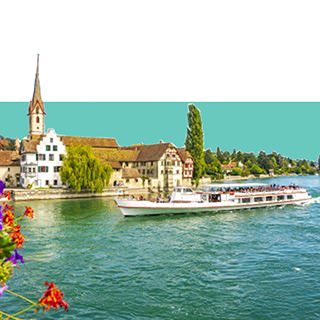
Exclusive Travel Discounts
Save on tours, cruises, and holidays with exclusive discounts on National Seniors Travel.

Our Generation Digital Magazine
Receive a yearly subscription to Our Generation Digital Magazine.

The Good Guys Commercial
Members enjoy exclusive access to The Good Guys Corporate Benefits. Save on small and large appliances as well as technology.
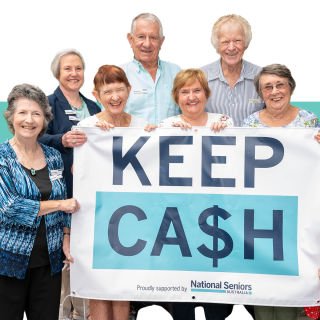
Advocacy & Research
Your membership directly funds our advocacy and research work fighting issues that affect you.

Competitions
Access exclusive member-only weekly competitions including books, DVDs, CDs, movie tickets and more.

Discounts
In addition to the discounts app, members can save thousands on eGift Cards and other discounted products.
*The discount applies to the total National Seniors travel insurance premium and is for National Seniors Australia members only. Discounts do not apply to the rate of GST and stamp duty or any changes you make to the policy. AGA has the discretion to withdraw or amend this discount offer at any time. This discount cannot be used in conjunction with any other promotional offer or discount.
National Seniors Australia Ltd ABN 89 050 523 003, AR 282736, is an authorised representative of AWP Australia Pty Ltd, ABN 52 097 227 177, AFSL 245631, trading as Allianz Global Assistance (AGA), and acts as AGA's agent and not as your agent. nib Travel Services (Australia) Pty Ltd (nib), ABN 81 115 932 173, AFSL 308461 acts as third party administrator on behalf of AGA, managing claims, complaints, enquiries and sales. This is general advice only. Before you buy, you should consider whether the product is appropriate for you, the Product Disclosure Statement (PDS), Financial Services Guide (FSG) and Target Market Determination (TMD) is available from us. This insurance is underwritten by Pacific International Insurance Pty Ltd, ABN 83 169 311 193, AFSL 523921.