Why alcohol hits harder as we age
We all know about the physical after-effects of excessive drinking, but they should not be your only concern.
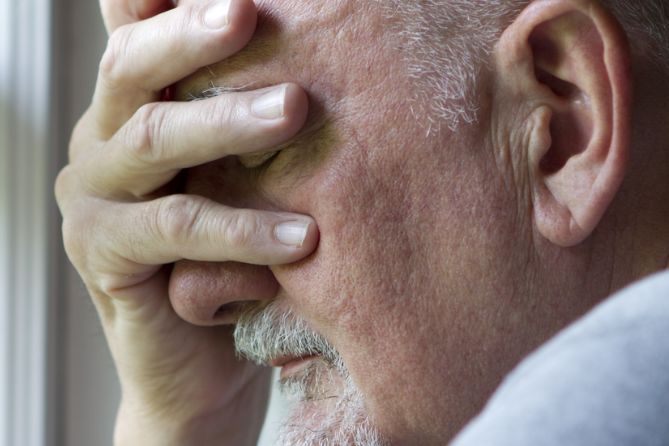
“Hangxiety” is a term used to describe the intense feelings of anxiety that can accompany a hangover.
While people often associate hangovers with physical symptoms such as headaches, fatigue, and nausea, the psychological after‑effects – such as nervousness, dread, overthinking, and heightened stress – can be just as disruptive.
Research suggests that some people are more vulnerable to hangxiety than others, particularly those who already experience anxiety or low mood. In these cases, alcohol’s temporary numbing effect on negative emotions can worsen the rebound once the drinking stops.
Alcohol acts as a depressant and disrupts the brain’s balance of key neurotransmitters. During drinking, it increases gamma-aminobutyric acid (GABA), which helps you feel relaxed, while decreasing glutamate, which normally keeps you alert and engaged.
This artificial shift sets the stage for a “rebound effect” when the alcohol wears off: GABA drops, glutamate surges, and the brain becomes overstimulated. This overactivity commonly produces restlessness, irritability, and anxiety the next day.
These symptoms tend to be more pronounced in older adults. As the body ages, physical changes increase sensitivity to alcohol’s effects. Older people typically have less lean body mass and lower total body water, meaning that even small amounts of alcohol result in higher blood alcohol concentrations.
Ageing also slows the function of liver enzymes responsible for breaking down alcohol, allowing it to remain in the system for longer. Recovery takes more time, and the overall impact of drinking becomes more potent.
Older Australians also live with higher rates of chronic conditions such as diabetes, hypertension, cardiovascular disease, and cognitive decline. Alcohol can worsen these conditions and may interact dangerously with common medications.

Sleep disruption is another major contributor. Alcohol may initially make it easier to fall asleep, but it disrupts the quality of sleep by suppressing REM and causing more awakenings later in the night.
Poor-quality sleep has been linked to heightened anxiety, amplifying hangxiety symptoms the next day. These effects can be more severe for older adults, who already experience natural sleep challenges associated with ageing.
Alcohol use can also mask underlying health problems in seniors or contribute to confusion, falls, injuries, and impaired decision‑making. Long-term heavy drinking may accelerate or mimic cognitive disorders, making symptoms harder to detect and manage.
The best way to reduce the likelihood of hangxiety is to moderate alcohol consumption. Australian guidelines advise keeping intake low to minimise health risks and note that drinking less, or not drinking at all, is the safest option.
Eating before drinking, staying hydrated, and pacing consumption can help lessen alcohol’s impact. If hangxiety consistently affects your wellbeing, it may be worth reconsidering the role alcohol plays in your life.
Hangxiety is more than an unpleasant after-effect. It is a signal that the body and mind are under stress. For older adults in particular, paying attention to this signal can support better long‑term health and quality of life.
Related reading: AIHW, ADF, Health Department, The West, The Conversation

Disclaimer: This article is for information purposes only and should not be considered medical advice. Consult a healthcare professional about any health concerns or before making any changes to your medication, diet, or exercise routine.


Thousands of Australia-wide discounts
Exclusive offers and savings across dining, shopping, gift cards, and more – all in the EAT | PLAY | SAVE app.
Members save 10% on Travel Insurance*
National Seniors members receive a 10% discount on travel insurance policies*.

Financial Information Consultant
Speak to a real person and receive up-to-date information on retirement planning, superannuation, and more!
Branches
Expand your social circle, enjoy social events, day trips, guest speakers, and meet like-minded members.
Exclusive Travel Discounts
Save on tours, cruises, and holidays with exclusive discounts on National Seniors Travel.

Our Generation Digital Magazine
Receive a yearly subscription to Our Generation Digital Magazine.

The Good Guys Commercial
Members enjoy exclusive access to The Good Guys Corporate Benefits. Save on small and large appliances as well as technology.
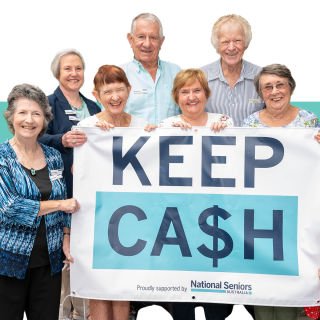
Advocacy & Research
Your membership directly funds our advocacy and research work fighting issues that affect you.

Competitions
Access exclusive member-only weekly competitions including books, DVDs, CDs, movie tickets and more.

Discounts
In addition to the discounts app, members can save thousands on eGift Cards and other discounted products.
*The discount applies to the total National Seniors travel insurance premium and is for National Seniors Australia members only. Discounts do not apply to the rate of GST and stamp duty or any changes you make to the policy. AGA has the discretion to withdraw or amend this discount offer at any time. This discount cannot be used in conjunction with any other promotional offer or discount.
National Seniors Australia Ltd ABN 89 050 523 003, AR 282736, is an authorised representative of AWP Australia Pty Ltd, ABN 52 097 227 177, AFSL 245631, trading as Allianz Global Assistance (AGA), and acts as AGA's agent and not as your agent. nib Travel Services (Australia) Pty Ltd (nib), ABN 81 115 932 173, AFSL 308461 acts as third party administrator on behalf of AGA, managing claims, complaints, enquiries and sales. This is general advice only. Before you buy, you should consider whether the product is appropriate for you, the Product Disclosure Statement (PDS), Financial Services Guide (FSG) and Target Market Determination (TMD) is available from us. This insurance is underwritten by Pacific International Insurance Pty Ltd, ABN 83 169 311 193, AFSL 523921.