Prevention is better than cure
While some health problems are unavoidable, there are ways we can take responsibility for our own well-being.
As we get older, we should all take proactive steps to maintain our health and independence.
Drawing on guidance from the Australian Government’s Healthdirect website, and other authoritative sources, here are evidence-based preventative strategies tailored to people aged 65 and over.
Stay physically active
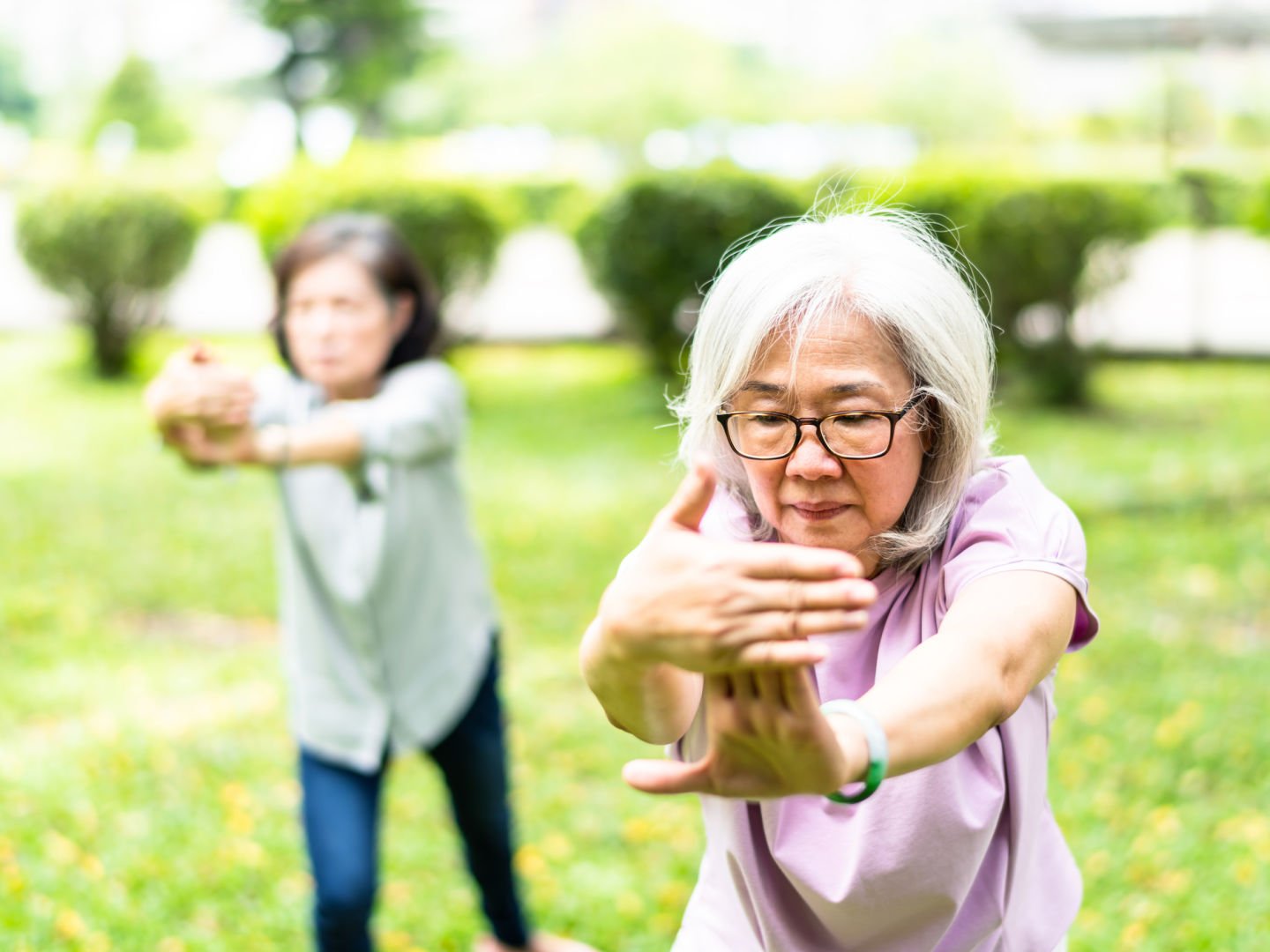
Aim for at least 30 minutes of moderate-intensity activity – such as brisk walking, swimming, or gardening – on most days. If this isn’t feasible at first, begin with 10 minutes once or twice daily and gradually build up. Include muscle-strengthening and balance exercises (e.g. light weights, tai chi) twice weekly to maintain strength, reduce frailty, and prevent falls.
Follow a nutrient-rich diet
Older Australians need fewer calories but more key nutrients. Healthdirect recommends daily serves from all five food groups: grains, fruits, vegetables, lean protein, dairy, plus fibre-rich foods to support digestion. Even small nutrient-dense meals help maintain weight, bone density, and muscle mass.
Keep up with vaccinations
Annual flu shots and COVID-19 boosters are vital. Seniors are also recommended to receive high-dose or adjuvanted influenza vaccines designed for people over 65. Staying current with immunisations reduces the risk of severe illness and complications.

Regular health checks
Have routine screenings for blood pressure, cholesterol, diabetes, kidney function, and bone density. Cancer screenings and sensory tests for vision and hearing are essential preventive steps. These measures help catch issues early and maximise treatment outcomes.
Prevent falls
One in four older Australians experiences a fall each year. Reduce this risk by creating a safe home environment – for example, by installing secure floor coverings and grab rails – and engaging in balance and strength routines. If you’ve fallen before, consult your doctor for a falls risk assessment.
Protect mental health and brain function
Regular physical activity and social engagement are effective in reducing depression and dementia risk. Lifelong learning, hobbies, and community involvement stimulate the mind – and studies by universities like Murdoch, Sydney, and Melbourne confirm the importance of combining cognitive and physical health strategies to maintain brain function.
Engage in restorative care
New clinical guidelines encourage goal-oriented, multidisciplinary approaches to help older adults regain function after setbacks, such as recovering from a fall or illness. These programs, championed by Flinders University researchers, support independence and wellbeing in community settings.
Monitor alcohol, tobacco, and medicines
Avoid tobacco entirely. Restrict alcohol to no more than four standard drinks per day and 10 per week. Finally, review medicines regularly to prevent adverse effects – especially if taking many different drugs.
Further reading: Healthdirect, Health, Flinders University, Murdoch University, Melbourne University
Disclaimer: This article is for information purposes only and should not be considered medical advice. Consult a healthcare professional about any health concerns or before making any changes to your medication, diet, or exercise routine.



Thousands of Australia-wide discounts
Exclusive offers and savings across dining, shopping, gift cards, and more – all in the EAT | PLAY | SAVE app.

Members save 10% on Travel Insurance*
National Seniors members receive a 10% discount on travel insurance policies*.

Financial Information Consultant
Speak to a real person and receive up-to-date information on retirement planning, superannuation, and more!
Branches
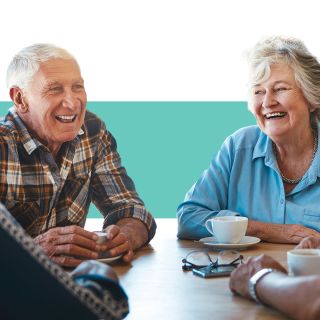
Expand your social circle, enjoy social events, day trips, guest speakers, and meet like-minded members.

Exclusive Travel Discounts
Save on tours, cruises, and holidays with exclusive discounts on National Seniors Travel.

Our Generation Digital Magazine
Receive a yearly subscription to Our Generation Digital Magazine.

The Good Guys Commercial
Members enjoy exclusive access to The Good Guys Corporate Benefits. Save on small and large appliances as well as technology.
Advocacy & Research
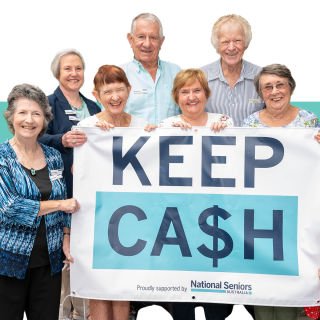
Your membership directly funds our advocacy and research work fighting issues that affect you.

Competitions
Access exclusive member-only weekly competitions including books, DVDs, CDs, movie tickets and more.

Discounts
In addition to the discounts app, members can save thousands on eGift Cards and other discounted products.
*The discount applies to the total National Seniors travel insurance premium and is for National Seniors Australia members only. Discounts do not apply to the rate of GST and stamp duty or any changes you make to the policy. AGA has the discretion to withdraw or amend this discount offer at any time. This discount cannot be used in conjunction with any other promotional offer or discount.
National Seniors Australia Ltd ABN 89 050 523 003, AR 282736, is an authorised representative of AWP Australia Pty Ltd, ABN 52 097 227 177, AFSL 245631, trading as Allianz Global Assistance (AGA), and acts as AGA's agent and not as your agent. nib Travel Services (Australia) Pty Ltd (nib), ABN 81 115 932 173, AFSL 308461 acts as third party administrator on behalf of AGA, managing claims, complaints, enquiries and sales. This is general advice only. Before you buy, you should consider whether the product is appropriate for you, the Product Disclosure Statement (PDS), Financial Services Guide (FSG) and Target Market Determination (TMD) is available from us. This insurance is underwritten by Pacific International Insurance Pty Ltd, ABN 83 169 311 193, AFSL 523921.