Did the barista kill off the billy?
With coffee now the choice of many Australians, is this still a nation of tea drinkers?
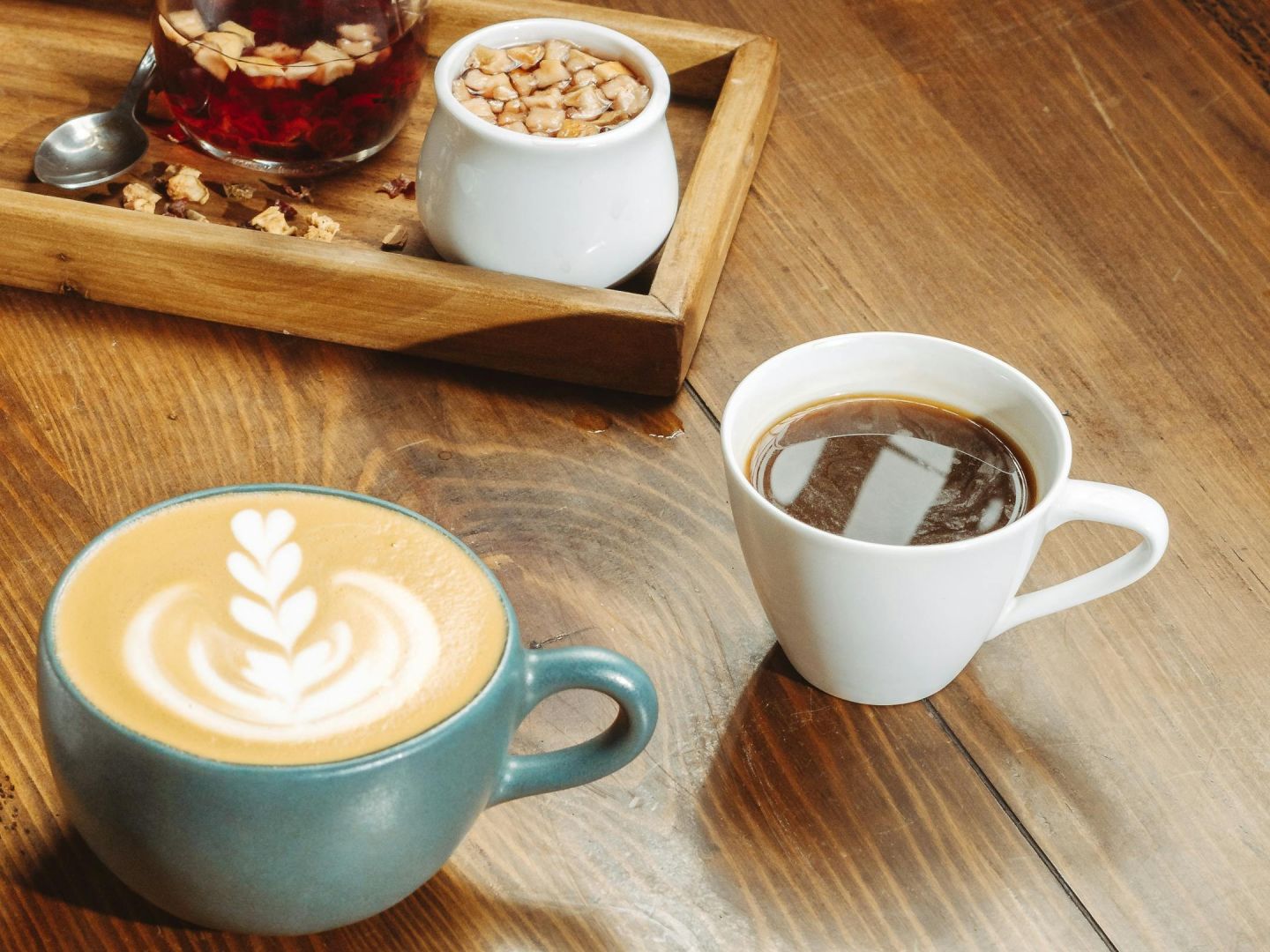
For much of Australia’s history, tea was more than a beverage; it was an everyday ritual.
From the billy boiling over an open fire to the teapot warming the kitchen table, earlier generations of Australians drank more tea per person than almost anywhere else in the world. In fact, before 1950, Australia ranked among the highest tea‑consuming nations per capita.
Today, that picture has shifted. Australia is internationally known for its vibrant café culture, skilful baristas, and espresso‑based coffee.
Historians and market analysts agree that tea consumption declined in the second half of the 20th century as lifestyles changed, cafés replaced kitchens as social hubs, and coffee became associated with modern urban life.
Globally, tea remains the second most popular drink after water, but is the home of “billy tea” now a nation of coffee lovers? In many ways, yes – but that’s not the whole story.
Despite coffee’s dominance, around half of Australian adults still drink tea at least weekly, and Australians aged 65 and over remain the most faithful tea drinkers of all.
What has changed is how tea is consumed. The traditional pot or billy has largely been replaced by a tea bag. This 20th‑century innovation offered speed, consistency, and affordability, and quickly became the default choice in Australian households. So much so, that it’s very hard to find loose-leaf tea in a supermarket these days, and once-familiar brands have all but disappeared.

At the same time, the range of teas available has expanded dramatically. Alongside familiar black teas such as English Breakfast and Earl Grey, supermarkets and cafés now stock teas from around the world.
For example, oolong tea, which sits somewhere between green and black tea, is partially oxidised and valued for its complex, often floral flavour.
Another popular newcomer is chai. While the word simply means “tea” in India, it has come in Australia to describe a spiced milk tea made with black tea, milk, and warming spices such as cardamom, ginger, and cinnamon. It is quite different from the traditional cuppa.
So, while café culture may belong to coffee, tea remains woven into the fabric of Australian life. It has evolved and adapted but it still offers us comfort, is the perfect accompaniment to a sweet biscuit or slice of cake, and serves as a conversation starter.
As a gentle reminder, 21 May is International Tea Day. Mark it on your calendar to remind yourself to brew up a beverage or two to celebrate the drink that has warmed Australian hands and hearts for generations.
Related reading: Tea in Australia, Corner Coffee Store, Tea Drinking Report, Mudandgee

Photo by Alejandro Aznar/Pexels




Thousands of Australia-wide discounts
Exclusive offers and savings across dining, shopping, gift cards, and more – all in the EAT | PLAY | SAVE app.

Members save 10% on Travel Insurance*
National Seniors members receive a 10% discount on travel insurance policies*.

Financial Information Consultant
Speak to a real person and receive up-to-date information on retirement planning, superannuation, and more!

Branches
Expand your social circle, enjoy social events, day trips, guest speakers, and meet like-minded members.

Exclusive Travel Discounts
Save on tours, cruises, and holidays with exclusive discounts on National Seniors Travel.
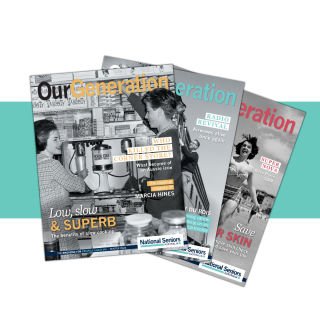
Our Generation Digital Magazine
Receive a yearly subscription to Our Generation Digital Magazine.

The Good Guys Commercial
Members enjoy exclusive access to The Good Guys Corporate Benefits. Save on small and large appliances as well as technology.
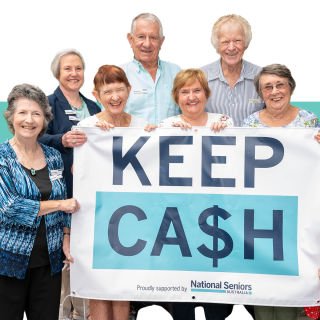
Advocacy & Research
Your membership directly funds our advocacy and research work fighting issues that affect you.

Competitions
Access exclusive member-only weekly competitions including books, DVDs, CDs, movie tickets and more.

Discounts
In addition to the discounts app, members can save thousands on eGift Cards and other discounted products.
*The discount applies to the total National Seniors travel insurance premium and is for National Seniors Australia members only. Discounts do not apply to the rate of GST and stamp duty or any changes you make to the policy. AGA has the discretion to withdraw or amend this discount offer at any time. This discount cannot be used in conjunction with any other promotional offer or discount.
National Seniors Australia Ltd ABN 89 050 523 003, AR 282736, is an authorised representative of AWP Australia Pty Ltd, ABN 52 097 227 177, AFSL 245631, trading as Allianz Global Assistance (AGA), and acts as AGA's agent and not as your agent. nib Travel Services (Australia) Pty Ltd (nib), ABN 81 115 932 173, AFSL 308461 acts as third party administrator on behalf of AGA, managing claims, complaints, enquiries and sales. This is general advice only. Before you buy, you should consider whether the product is appropriate for you, the Product Disclosure Statement (PDS), Financial Services Guide (FSG) and Target Market Determination (TMD) is available from us. This insurance is underwritten by Pacific International Insurance Pty Ltd, ABN 83 169 311 193, AFSL 523921.