New NSA research about online scams
Many seniors have been scammed online but banks often helped, NSA research suggests.
Keep Scam SAFE
NSA has a range of resources to help older Australians stay informed, confident, and protected online.
These include printable material, fridge magnets, videos, and free digital workshops.
Click here for more information.
Between 30% and 35% of older Australians may have been scammed online, according to new NSA research.
The figure comes from the 2025 National Seniors Social Survey, in which 4,766 people answered the question, "Have you ever been the victim of online fraud or a scam where you lost money or had your identity used fraudulently?”
A total of 30.4% of respondents answered “yes” and a further 4.4% were unsure. No time limit was put on the survey question, so answers included scams that occurred years ago.
Nevertheless, these high numbers are high.
However, they may not be surprising given over $159 billion was scammed from Australians aged 55 or over in 2024 alone. And that only includes scams reported to the National Anti-Scam Centre – the real number may be much higher.
Groups who got scammed the most
When we looked at the social and personal characteristics of the survey participants, we found that not every group is equally likely to have been scammed.
The proportions were higher among people who described their level of financial comfort as “tight” rather than “comfortable”. Almost half the people experiencing a “very tight” financial situation at the time of the survey had been scammed (47%).
People who described their health as “poor” or “very poor” had also experienced scams in high numbers (43%), and those in “fair” health were scammed more than those with good or excellent health too (37%).
Greater proportions of people with less than $200,000 in savings and investments, and people with a religion that is important to them were more often scammed than their counterparts too.
Notably, age was not a significant factor despite the stereotypes of older people being more vulnerable to scams.
Common scam types
Scam victims were invited to write a comment about the scam and most (around 1,080 people) did so.
Their comments touched on various topics, but a common one was a description of what happened to them. From these comments we gleaned the most common scam types they experienced.
In almost half the cases the victims did nothing to make themselves vulnerable other than engaging in ordinary online transactions.
Around 450 of these had funds taken from their credit card or bank account, often without their knowledge.
Others were scammed by buying items from dodgy online sellers that seemed legitimate. The scammers took their money but never sent the item or sent a poor-quality item instead.
But respondents also reported numerous scam types in which the victims were enticed to take actions that ultimately made them vulnerable.
Some were duped when the scammer emailed or called them pretending to be a known business such as a telco or energy company or intercepted an invoice and changed the payment details. The victims then unlocked their online bank access for the scammers or paid bills that weren’t real.
The "Hey mum, I dropped my phone in the toilet” scam also caught a few respondents out, as did other similar scams in which scammers pretended to be someone they knew and asked for cash.
Fake security warnings on a computer screen and investments too good to be true were other relatively common scam types reported in the survey.
Some commenters had their identities stolen instead of money. Scammers then used their identities for nefarious purposes, including to take out loans, to post child pornography on Facebook, or to scam people in the victim’s network.

Consultation on Scams Prevention Framework
The Federal Government has opened public consultation on a draft designation for banks, telecommunications providers, and some digital platforms as the first sectors to be regulated by mid‑2026 under its Scams Prevention Framework.
Dr Daniel Mulino, the Assistant Treasurer and Minister for Financial Services, said this consultation will confirm the draft designations cover the right services those businesses provide.
The current consultation is available on the Treasury website. Submissions will remain open until 5 January 2026.
Banks helped many of the victims
What was somewhat surprising but wonderful to read was the level of help people received when scammed.
Around a third of commenters mentioned how the relevant authority – most often their bank – responded to the scam.
Among the 388 commenters who mentioned the outcome of an authority’s actions after losing money to a scammer, 70.4% recouped all their money.
Another 19.3% recouped some of it or were assisted to prevent further losses.
One person wrote:
“I was targeted at night (as seniors often are – just when you are tired) by a bogus Telstra scam – early next morning I contacted my bank – [bank name] - the female manager [name] was amazing and sorted it all out (and cleared me with online E-First Aid) promptly without judgement about my 'stupidity'. Consequently I lost 'face' but no money etc. I wish there were more [manager name]!”
Only 10.3% of this group did not receive help from authorities to recoup their funds. In some cases, the authority’s response was extremely poor, as in this person’s example:
“I had one of my bank accounts cleaned out when I was going through treatment for cancer and I wasn't thinking straight. The worse thing was the bank told me I was a silly old woman.”
What you can do
The government website Scamwatch outlines some basic steps we can all take to minimise the risk of being scammed. They have a three-part slogan to help us all remember:
STOP. Don’t give money or your information to anyone if unsure.
CHECK. Ask yourself if the message or call is fake.
PROTECT. Act quickly if something feels wrong.
There is more information about scams in Scamwatch’s Little Book of Scams.
If you do happen to get scammed, don’t be embarrassed. There’s no cause for shame and you’re not alone.
If someone scams you remember it’s not you being stupid – it’s them being smart. Successful scammers are very clever, and they do this because they’re good at it.
Commenters often noted how persuasive the scammers were, or that they caught them out while they were feeling distracted or sick or tired.
But their experiences also show it is definitely worth reporting a scam and insisting the relevant authority do what they can to help you.
Contact your bank (or other authority) as soon as you become aware of the scam to maximise your chance of getting back what you lost.
Also. please report your experience through Scamwatch’s report-a-scam interface because it can help warn others of new scams and can help authorities take action to catch or stop scammers.
Read the full report, Older Australians’ Experiences of Online Scams, here.




Thousands of Australia-wide discounts
Exclusive offers and savings across dining, shopping, gift cards, and more – all in the EAT | PLAY | SAVE app.

Members save 10% on Travel Insurance*
National Seniors members receive a 10% discount on travel insurance policies*.
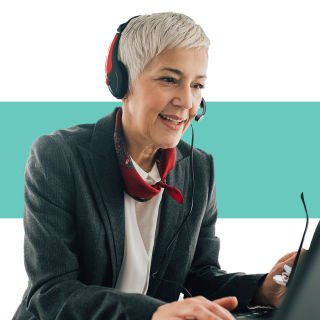
Financial Information Consultant
Speak to a real person and receive up-to-date information on retirement planning, superannuation, and more!
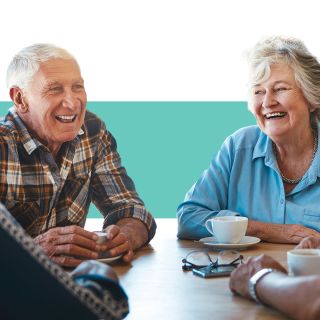
Branches
Expand your social circle, enjoy social events, day trips, guest speakers, and meet like-minded members.
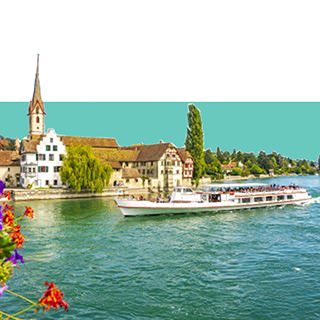
Exclusive Travel Discounts
Save on tours, cruises, and holidays with exclusive discounts on National Seniors Travel.

Our Generation Digital Magazine
Receive a yearly subscription to Our Generation Digital Magazine.

The Good Guys Commercial
Members enjoy exclusive access to The Good Guys Corporate Benefits. Save on small and large appliances as well as technology.
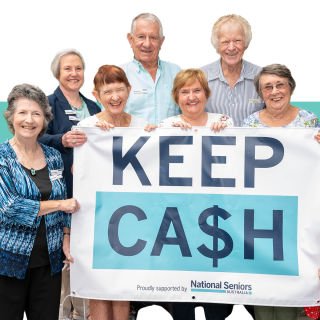
Advocacy & Research
Your membership directly funds our advocacy and research work fighting issues that affect you.

Competitions
Access exclusive member-only weekly competitions including books, DVDs, CDs, movie tickets and more.

Discounts
In addition to the discounts app, members can save thousands on eGift Cards and other discounted products.
*The discount applies to the total National Seniors travel insurance premium and is for National Seniors Australia members only. Discounts do not apply to the rate of GST and stamp duty or any changes you make to the policy. nib has the discretion to withdraw or amend this discount offer at any time. This discount cannot be used in conjunction with any other promotional offer or discount
National Seniors Australia Ltd ABN 89 050 523 003, AR 282736 is an authorised representative of nib Travel Services (Australia) Pty Ltd (nib), ABN 81 115 932 173, AFSL 308461 and act as nib's agent and not as your agent. This is general advice only. Before you buy, you should consider your needs, the Product Disclosure Statement (PDS), Financial Services Guide (FSG) and Target Market Determination (TMD) available from us. This insurance is underwritten by Pacific International Insurance Pty Ltd, ABN 83 169 311 193.