Why more stuff can bring less joy
Christmas is a good time to think about the things we buy, and how good experiences can make us happier than things.
Actions you can take today
Plan a connection‑first holiday calendar: schedule a pot‑luck lunch, a sunset picnic, or tickets to a local live performance.
Set (and stick to) a modest gift budget; avoid high‑interest debt and impulse purchases.
Choose sustainable alternatives: gift experiences or memberships over material goods that will quickly date or break.
Join NSA and share membership as a thoughtful gift.
Support our campaigns including Healthy Earth and Cost of Living.
British writer, George Monbiot, describes “pathological consumption” as a “world‑consuming epidemic of collective madness”, where novelty trinkets and short‑lived gadgets end up as landfill after offering us only seconds of stimulation.
His essay, originally published in The Guardian, argues that our normalised cycle of buy‑use‑bin quietly damages our personal wellbeing as well as our environment.
Science backs him up. Decades of research show that a strong materialistic orientation – prioritising money, status, and possessions – is consistently linked with lower wellbeing and riskier consumer behaviour.
A meta‑analysis on this subject found negative relationships between materialism and wellbeing, partly because materialistic goals undermine our psychological needs. In some studies, even thinking about acquiring things has been shown to have a negative effect on our wellbeing.
Beyond the impact on individuals, household consumption drives a substantial share of emissions and waste that harms our environment.
Pathological consumption also keeps many Australians in debt. Last Christmas, regulators warned that debt can mount quickly when we overuse our credit cards and “buy now, pay later” services.
Australians planned to spend an average of $783 for Christmas in 2024, and nearly half reported regretting past festive spending.
The spending hangover can persist long into the new year.
There is, however, a proven antidote to this issue: spending less, and spending it on meaningful experiences and connections.
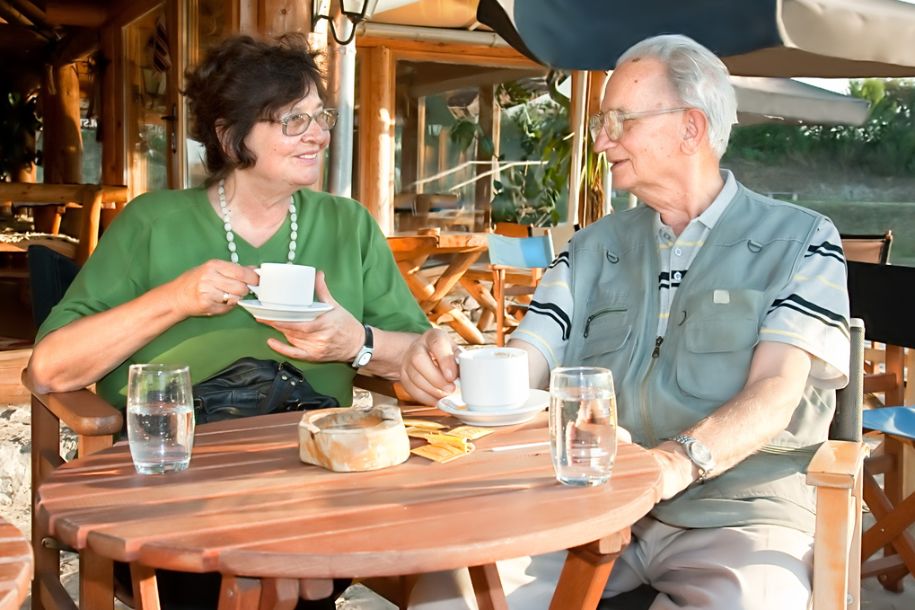
Studies show that experiential purchases – on meals with family, concerts, holidays, or self-improvement classes – produce more enduring happiness than material goods, because they weave into our identity, are easier to reinterpret positively, and foster social bonds.
People even feel happier in anticipation of experiences – such as looking forward to a show or a social occasion – than when waiting for purchases to arrive.
“Hedonic adaptation” – the tendency for joy to fade as we get used to things – occurs more slowly for experiences. That’s one reason quality time with loved ones and live entertainment can keep happiness fresher for longer. Of course, not every experience is perfect, but on average they make us feel better than we do from just acquiring things.

With cost‑of‑living pressures biting and climate concerns rising, Christmas is the perfect time to opt out of pathological consumption.
Give fewer, more thoughtful gifts. Swap your loved ones’ expectations of piles of presents for shared meals, be they at an affordable restaurant or at home, and outings. These choices support wellbeing, reduce waste, and slow hedonic adaptation.
If you do want a gift that keeps on giving, consider a National Seniors Australia (NSA) membership. It’s a practical, sustainable alternative that connects people, supports advocacy, and can help with the household budget through everyday discounts.
You may choose to pair it with a pledge to support NSA’s Healthy Earth campaign, which champions practical actions that older Australians can take to leave a positive legacy. And for those watching every dollar, tap into NSA’s Cost of Living campaign for tools, policy updates, and ways to ease pressure without resorting to high‑cost debt.
This Christmas, let’s choose meaning over accumulation. Your future self, and the planet, will thank you.
Related reading: Guardian, Colorado University, Journal of Consumer Research, ASIC, Psycnet



Thousands of Australia-wide discounts
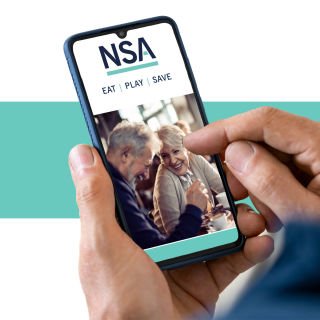
Exclusive offers and savings across dining, shopping, gift cards, and more – all in the EAT | PLAY | SAVE app.

Members save 10% on Travel Insurance*
National Seniors members receive a 10% discount on travel insurance policies*.

Financial Information Consultant
Speak to a real person and receive up-to-date information on retirement planning, superannuation, and more!

Branches
Expand your social circle, enjoy social events, day trips, guest speakers, and meet like-minded members.

Exclusive Travel Discounts
Save on tours, cruises, and holidays with exclusive discounts on National Seniors Travel.
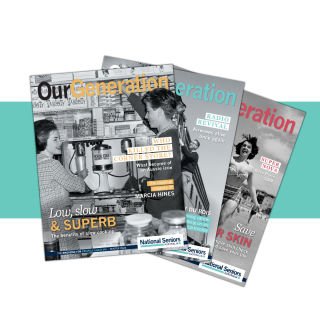
Our Generation Digital Magazine
Receive a yearly subscription to Our Generation Digital Magazine.

The Good Guys Commercial
Members enjoy exclusive access to The Good Guys Corporate Benefits. Save on small and large appliances as well as technology.
Advocacy & Research
Your membership directly funds our advocacy and research work fighting issues that affect you.

Competitions
Access exclusive member-only weekly competitions including books, DVDs, CDs, movie tickets and more.

Discounts
In addition to the discounts app, members can save thousands on eGift Cards and other discounted products.
*The discount applies to the total National Seniors travel insurance premium and is for National Seniors Australia members only. Discounts do not apply to the rate of GST and stamp duty or any changes you make to the policy. AGA has the discretion to withdraw or amend this discount offer at any time. This discount cannot be used in conjunction with any other promotional offer or discount.
National Seniors Australia Ltd ABN 89 050 523 003, AR 282736, is an authorised representative of AWP Australia Pty Ltd, ABN 52 097 227 177, AFSL 245631, trading as Allianz Global Assistance (AGA), and acts as AGA's agent and not as your agent. nib Travel Services (Australia) Pty Ltd (nib), ABN 81 115 932 173, AFSL 308461 acts as third party administrator on behalf of AGA, managing claims, complaints, enquiries and sales. This is general advice only. Before you buy, you should consider whether the product is appropriate for you, the Product Disclosure Statement (PDS), Financial Services Guide (FSG) and Target Market Determination (TMD) is available from us. This insurance is underwritten by Pacific International Insurance Pty Ltd, ABN 83 169 311 193, AFSL 523921.